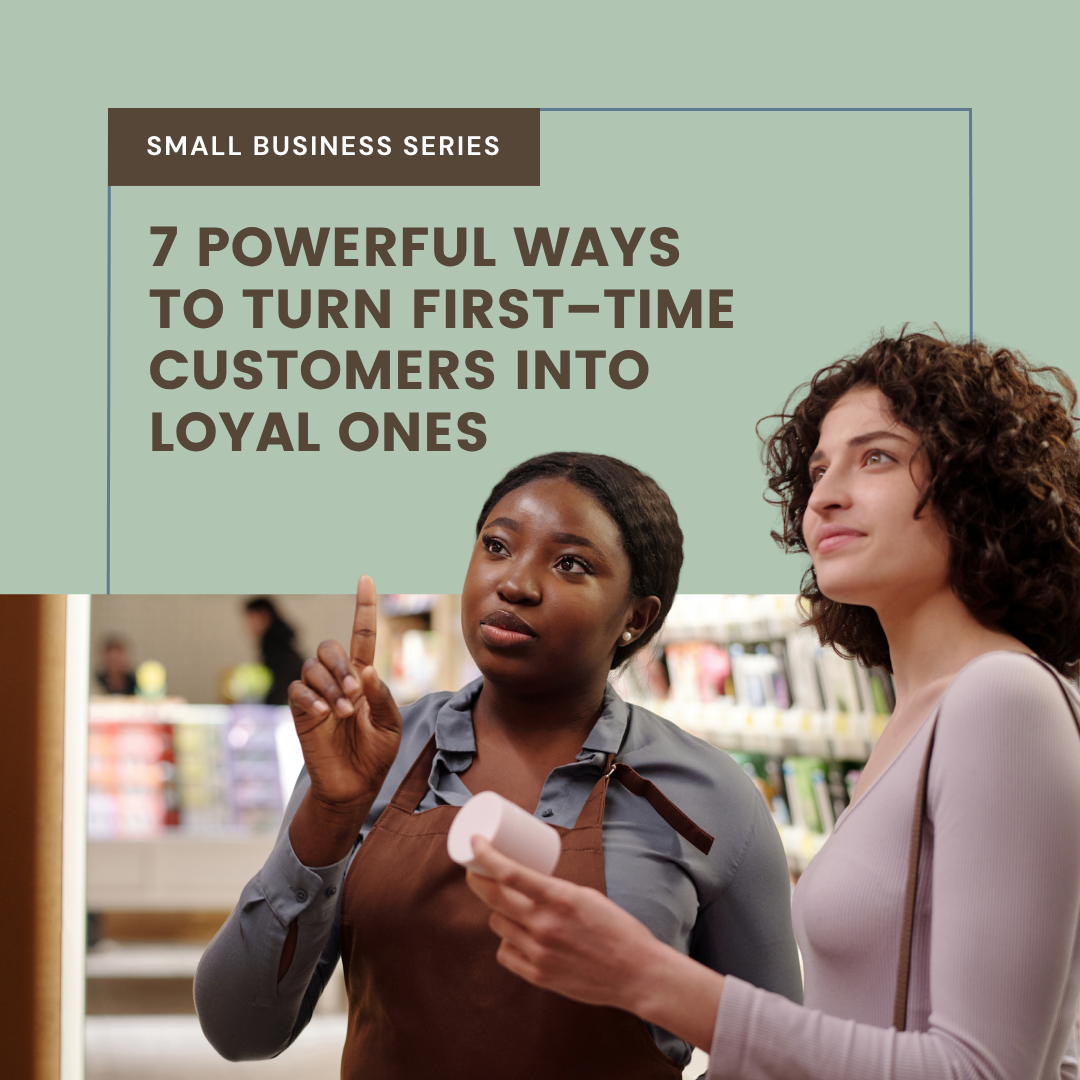
7 Powerful Ways to Turn First–Time Customers Into Loyal Ones in Your Small Business

When my husband and I opened our pizza restaurant, our franchise trainers gave us one piece of advice that has always stuck with me: It’s much cheaper to keep a customer than to constantly find new ones.

A first-time customer has already taken a chance on your business. They’ve walked through your door or clicked on your website. The real opportunity begins once they arrive—turning that one–time visitor into a loyal, returning customer.

In our restaurant, that meant making every visit a positive experience. We focused on preparing food properly, serving it promptly, greeting customers warmly, and thanking them for coming in. But great service went far beyond the counter. We kept the restaurant and restrooms spotless, cleaned tables quickly, stocked inventory so we rarely ran out of items. And created a welcoming atmosphere where families could relax and enjoy their meals.

We swept sidewalks, cleaned the glass doors often, and prepped fresh ingredients daily. We also mailed coupon sheets and got involved in community events. Becoming a familiar face in our town helped keep our restaurant top of mind with the locals.

While your business may not be a restaurant, the principle remains the same: Every customer touchpoint matters. Here are practical strategies you can use to turn first–time customers into loyal ones.

7 Ways to Turn First-Time Customers into Loyal Customers

  1. Deliver an Excellent Experience
    Provide products or service on time. Be honest if you can’t meet a deadline—let the customer know right away and offer alternatives or a referral if needed. Clearly explain what they will receive, when they will receive it, and any additional costs. Whenever possible, under–promise and over–deliver.
  2. Treat Every Customer with Respect
    Greet people promptly, arrive on time for appointments, and come prepared. Dress professionally and give each customer your full attention. Small respectful actions build big impressions.
  3. Thank Them for Their Business
    Never take a customer for granted. A sincere “thank you” as they leave makes a difference for small purchases. For larger sales, consider sending them a handwritten thank–you note with a discount for their next visit.
  4. Provide Consistent Quality
    Consistency builds trust. A great first experience brings customers back, but a disappointing second visit can lose them forever. Set clear standards so customers know exactly what to expect every time they do business with you.
  5. Fix Problems Quickly and Graciously
    Things will occasionally go wrong despite your best efforts. When they do:
    •Apologize sincerely.
    •Fix the issue immediately—remake the order, replace the product, or offer a refund or credit.
    •Focus on solving the problem first, then diagnose what went wrong later to prevent it in the future.
  6. Offer Rewards for Coming Back
    Make it easy and rewarding for them to return:
    •Sign them up for your loyalty program on the spot.
    •Collect their contact information and add them to your email list.
    •Give them a coupon or special offer for their next visit.
  7. Stay Top of Mind
    Keep your business in their thoughts without being pushy. Send helpful emails, valuable tips, or updates. Sponsor local events your customers care about. The goal is to be remembered positively—not to overwhelm them with constant sales messages.

No matter what type of business you run, your current and future customers are the lifeblood of your success. By focusing on turning first–time visitors into loyal fans, you create a more stable and profitable business.

Small business ownership is challenging enough. When you build strong customer relationships, you make the journey more rewarding and sustainable.

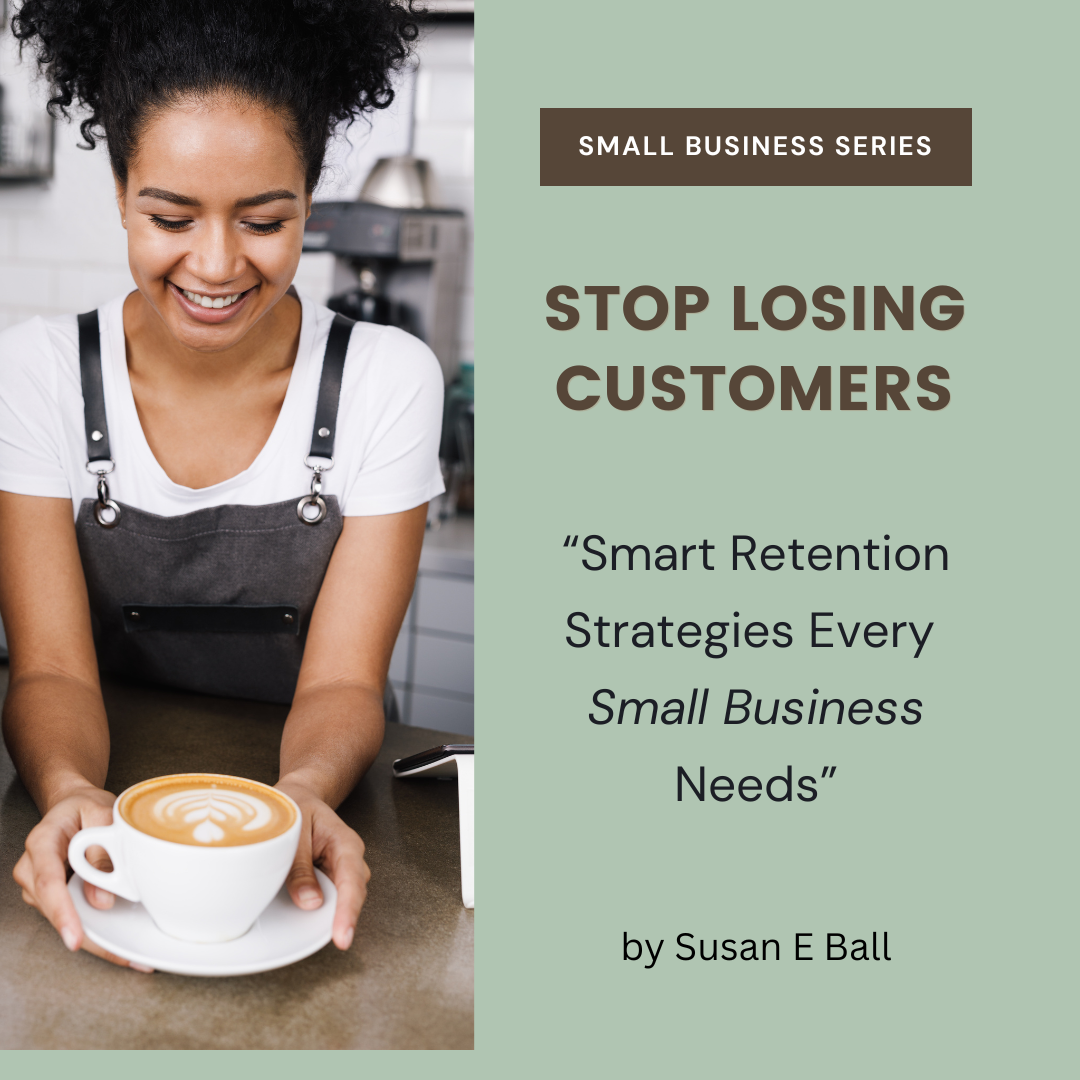
Stop Losing Customers: Smart Retention Strategies Every Small Business Needs

If you’ve been in business for more than a short time, you’ve likely gained some regular customers. Whether you offer professional services, skilled labor, food service, retails products, these are the people who choose your business first.

Returning customers are incredibly valuable. They provide steady revenue and often become your best advocates. Developing a thoughtful customer retention plan is one of the smartest things you can do as a small business owner. Here are practically strategies you can put in place right away.

Provide Excellent Customer Service

Great customer service is the foundation of retention, and some principles apply across every industry.

  • Address customers politely and respectfully. Never raise your voice or argue, even when a customer is frustrated.
  • Give them your full attention. Put your phone away and avoid interruptions unless it’s a true emergency.
  • Be honest about what you can deliver. If you can’t meet a deadline or the job isn’t a good fit, say so upfront and offer a helpful referral when possible.
  • Make things right when a customer is unhappy. Whether it means recooking a meal, replacing a product, offering a substitute, or providing a refund, show them you stand behind your work.
  • Personalize the experience. Learn customers’ names and preferences. Make tailored recommendations based on what they’ve purchased or enjoyed in the past.

Maintain Consistent Standards

Regular customers return because they know what to expect. Inconsistent service creates confusion and disappointment.

In our pizza restaurant, we had to train staff to put the same number of pepperonis on every pizza. A customer who receives extra toppings one time doesn’t recognize it as a bonus – they just feel disappointed when the next pizza has the standard amount.

The same principle applies to service levels. When employees “go above and beyond” inconsistently, it can actually hurt expectations. Aim for reliable excellence every single time.

Create a Memorable Customer Experience

Go beyond the transaction and give people a reason to remember their visit.

When I worked my way through college as a waitress, we were trained to greet guests promptly with a glass of water, take orders efficiently, serve with a smile, and treat every customer as if they were always right. Even when they weren’t, our job was to make sure they left completely satisfied.

Apply this mindset to your business:

  • Communicate clearly about timelines, what’s included, and any potential delays.
  • Make ordering and checkout as easy as possible.
  • Keep your website, ordering portal, and systems up to date and user-friendly.

Keep Things Fresh and Interesting

Regular customers appreciate variety. Introduce new products, menu items, services, workshops, or classes on a regular basis. Giving loyal customers something new to look forward to encourages them to come back more often.

Build a Loyalty Program

A well-designed loyalty program rewards customers and makes them feel valued.

  • Offer a free item or discount after a certain number of purchases.
  • Host special sales or events exclusively for loyal customers.
  • Reward referrals with discounts or bonuses.
  • Feature loyal customers in your social media posts or newsletters.
  • Consider appreciation events such as open houses, private sales, or customer appreciation gathering.

Stay Top of Mind

Don’t let customers forget about your between visits.

  • Send friendly appointment reminders for services like hair styling, massage, or consulting. Include a direct link to your scheduling system.
  • Use your client management system to identify customers you haven’t seen in a while and send a warm “We’ve missed you” message with a small incentive.
  • Celebrate customer anniversaries with a special reward, such as a free dessert or product upgrade.

Ask for Feedback

The faster way to fix problems is to know about them early.

  • Make it easy to give feedback at your checkout or through a short survey.
  • After receiving payment, send a thank-you email with a gentle request for a review (rotate platforms so you build presence across multiple sites).
  • Respond promptly and professionally to any dissatisfaction – especially on social media. Thank the customer publicly for bringing the issue to your attention and invite them to continue the conversation privately.

Incorporating these strategies into your regular operations can help you keep your best customers coming back again and again.

In the next blog, I’ll share ideas for a new business to announce its existence to the community.

Have you found other effective ways to keep your customers happy and returning? Feel free to share them in the comments.

Avoid Costly Marketing Mistakes in Your Small Business

Clear marketing is essential for small business success. Your customers must quickly understand what you offer, who it is for, and why it matters. That sounds simple, yet many marketing messages miss the mark. They may fail to clearly identify the product, target the wrong audience, or include confusing wording, poor visuals, or avoidable errors.

Before you launch an advertising campaign, announce a promotion, update your branding, or post on social media, take time to test your message. Doing so ensures your customers receive the message you intend—and helps you avoid costly mistakes.

The recent redesign of Cracker Barrel’s logo provides a powerful example. The updated logo was met with immediate backlash from loyal customers who felt it no longer reflected the brand they loved. The company ultimately scrapped the redesign, resulting in significant financial costs and damage to customer goodwill.

Promotions can also backfire when details are unclear. Years ago, a local radio station offered listeners $20 in exchange for a $1 bill that included the station’s call letters in the serial number. Listeners eagerly lined up the next morning—only to discover the station had intended the offer for the first 100 people, a detail they failed to mention in their advertising. Because the promotion was unclear, the station honored the offer for everyone present, giving away far more money than planned.

Both examples illustrate an important lesson: your marketing message must be clear, accurate, and tested before launch.

Test Your Message Before You Launch

One simple method is the “grandmother test.” Explain your promotion to someone outside your industry. Do they understand it immediately? If they don’t understand it then your message needs refinement.

Another approach is the “100-person test.” Ask yourself: if 100 average customers saw this message, would they understand it? Would it resonate with them? Your customers are not marketing experts—they are everyday people. Your message must be clear, relevant, and easy to understand.

For small business owners, testing can be as simple as sharing your promotion with a few trusted customers before posting it publicly.

Common Marketing Message Mistakes Small Business Owners Should Avoid

Understanding these common mistakes—and learning from real-world examples—can help you create stronger, more effective marketing.

Not fully understanding your customer.
When businesses lose sight of what their customers value most, their marketing can quickly miss the mark. This happened when Cracker Barrel introduced a redesigned logo that replaced the familiar, traditional look their customers loved with a more modern style. Loyal customers felt disconnected from the new image, and the company was forced to reverse course. Your brand should evolve carefully, always keeping your core customer in mind.

Using unclear or overly complex language.
Customers should never have to “work” to understand your message. Industry jargon, clever wording, or overly formal language can confuse customers. Clear, simple language builds confidence and encourages action.

Using a tone that lacks emotion.
Effective marketing connects emotionally. Customers respond when they feel understood, appreciated, or excited. A warm, friendly tone builds connection, while a cold, overly corporate tone can create distance. Your message should reflect the experience customers can expect from your business.

Being too generic.
Messages that try to appeal to everyone often resonate with no one. For example, a promotion designed for busy parents may not appeal to retirees, and a message crafted for teenagers will likely miss older audiences. Tailor your message so your ideal customer immediately recognizes that it is meant for them.

Focusing on features instead of solutions.
Customers are not simply buying products—they are buying solutions. For example, customers do not purchase accounting services because they enjoy financial reports; they purchase them for peace of mind, clarity, and confidence in their business decisions. Your marketing should emphasize the outcome you provide.

Failing to proofread and test.
Many marketing mistakes could be avoided with a simple review. Reading your message out loud or asking a few trusted customers to review it can help identify confusion, missing details, or unintended interpretations before they become costly problems.

Inconsistent branding.
Consistency builds trust. When IHOP temporarily rebranded itself as “IHOb,” customers were confused and wondered whether the company was abandoning its famous pancakes. The company intended to promote its burgers, but the unclear messaging created uncertainty instead. They quickly returned to their original brand. Sudden or unclear changes can weaken customer confidence.

Failing to test before launch.
Even simple testing can prevent costly mistakes. Try the “grandmother test”—would someone outside your industry immediately understand your message? Or share your promotion with a few loyal customers and ask for feedback. These small steps can reveal confusion before your message reaches a wider audience.

Clear, consistent, and customer-focused marketing helps ensure your message builds trust rather than confusion.

Clear Marketing Builds Strong Businesses

Your marketing message shapes how customers see your business. When your message is clear, customers understand your value and are more likely to trust you and make a purchase.

Before launching your next promotion, pause and test your message. Make sure your customers understand it exactly as you intend.

Clear communication is not just good marketing—it is a critical investment in the long-term success of your small business.

Start the New-Year with an Inventory: A Practical Guide for Small Businesses

The start of a new year is the perfect time for small business owners to pause, reflect, and prepare for what lies ahead. As you close the books on 2025, one essential step in setting your business up for success is taking inventory.

For many businesses, inventory is a mandatory task. You must know what assets you have in order to (1) determine your cost of goods sold, (2) calculate profit and loss, and (3) prepare an accurate balance sheet. This process often requires the business owner—or trusted staff members—to physically count inventory.

Retail and wholesale businesses must count goods held for sale, while manufacturers must account for components and materials. Beyond physical assets, wise business owners take inventory in several other critical areas that support long-term business growth.

Personnel Inventory

The new year is an ideal time to assess your workforce and determine whether you have the right people in place to meet upcoming challenges.

Consider whether you plan to expand into new markets and whether your current team has the skills needed to support that growth. If you anticipate changes to operations due to new technology or the use of AI, ask whether current employees will need additional training—or whether new roles with different skill sets may be required.

Think ahead to employee transitions. If key team members may retire or leave this year, identify whether current employees could be developed and promoted into those roles, and which positions may require external hiring. Review certifications and training credentials, and create a plan for continuing education or re-certification where needed. Investing in your people is one of the most important investments you can make as a small business owner.

Digital Inventory

Your digital assets are valuable business resources and should be reviewed regularly. These assets include customer lists, business documents, websites, photos, videos, and social media accounts.

Ensure that all digital assets are secure, backed up, and compliant with applicable regulations. Public-facing assets such as your website should be ADA compliant so that all potential customers can access your information and interact with your business. Review license and subscription renewal dates and add them to your calendar to avoid disruptions.

Document who has access to digital accounts and what permissions they hold. At least two trusted employees should have access to critical systems to ensure continuity if an account manager leaves unexpectedly.

Financial Inventory

A financial review is essential to maintaining a healthy small business. Take time to examine outstanding accounts receivable—money owed to your business—and accounts payable—money your business owes.

Confirm that obligations are being paid on time to avoid late fees and interest and to take advantage of any early-payment discounts. Evaluate whether customers are paying on schedule and address overdue accounts promptly. Review your cash position to ensure you have sufficient funds to meet upcoming obligations. If a shortfall is likely, act early to establish a line of credit or strengthen your receivables collection process.

Intellectual Property Inventory

When small business owners hear the term intellectual property, they often think of patents or trademarks. While you may not hold formal registrations, you likely have important branding assets such as your business name, logo, website, and domain names.

Take time to confirm that these assets are protected and that any registrations or renewals are current. Review your business listings across online directories to ensure information is accurate and consistent. Conduct an internet search to verify that no one is improperly using your business name or branding. Protecting your intellectual property helps safeguard your reputation and credibility.

Marketing Inventory

Review your marketing materials, including brochures, business cards, and branded merchandise. If inventory is running low, this is an excellent time to evaluate whether updates or corrections are needed.

Order refreshed materials as appropriate, and discard outdated versions to reduce clutter and prevent employees from inadvertently using incorrect information. Clear, current marketing materials support consistent messaging and professional presentation.

Processes Inventory

Finally, assess your business processes to ensure your operations are efficient and aligned with your goals. Reviewing processes can uncover gaps, inefficiencies, and opportunities for improvement.

Evaluate core operational workflows, administrative tasks, inventory management, sales and marketing efforts, customer service procedures, technology systems, and decision-making processes. As you do, consider whether new tools or technologies on the market could improve efficiency or support future growth.

Taking these inventories requires an investment of time, but the benefits are significant. This process helps prepare your employees for the year ahead, simplifies tax preparation, protects your business assets, reduces clutter, and positions your company for success in 2026.

A thoughtful inventory is one of the best ways to start the new year with clarity, confidence, and purpose. It is time well spent—and a strong foundation for the year ahead.

To make this easy to use throughout the year, the checklist below can be copied and pasted into your Notes app, or you can email it to yourself using the icon at the bottom of this post.

New Year Small Business Inventory Checklist

Save this checklist to revisit throughout the year.

📦 Physical & Asset Inventory

☐ Count inventory held for sale (retail/wholesale)
☐ Count components and materials (manufacturing)
☐ Review furniture, fixtures, and equipment
☐ Update depreciated values for tax and accounting records
☐ Check office supply levels

👥 Personnel Inventory

☐ Review current staffing levels
☐ Identify skill gaps for business growth or expansion
☐ Assess training needs related to technology or AI
☐ Review employee certifications and renewal dates
☐ Identify potential retirements or role transitions
☐ Create a hiring or promotion plan if needed

💻 Digital Asset Inventory

☐ Review customer lists and business documents
☐ Confirm website and digital assets are backed up
☐ Check ADA compliance for public-facing platforms
☐ Review software licenses and subscription renewals
☐ Confirm who has access to each digital account
☐ Ensure at least two trusted users can access critical systems

💰 Financial Inventory

☐ Review accounts receivable
☐ Follow up on overdue customer payments
☐ Review accounts payable
☐ Schedule upcoming payments to avoid late fees
☐ Review cash flow and upcoming obligations
☐ Explore financing or credit options if needed

Intellectual Property Inventory

☐ Review business name, logo, and branding assets
☐ Confirm domain names and renewals
☐ Check trademarks or copyrights (if applicable)
☐ Verify business listings across online directories
☐ Search for unauthorized use of business branding

📣 Marketing Inventory

☐ Count brochures, business cards, and printed materials
☐ Review messaging for accuracy and relevance
☐ Update marketing materials as needed
☐ Reorder materials with low stock
☐ Discard outdated or incorrect materials

⚙️ Process Inventory

☐ Review core operational processes
☐ Assess administrative workflows
☐ Evaluate inventory management systems
☐ Review sales and marketing processes
☐ Assess customer service procedures
☐ Evaluate technology and data management tools
☐ Identify inefficiencies and improvement opportunities

Simple Ways to Thank Your Customers This Thanksgiving

As a small business owner, you should always be grateful for the customers you have. Without customers, your business cannot generate revenue—and you won’t stay in business long.

Thanksgiving is a wonderful opportunity to let customers know how much you appreciate their support. It’s also an ideal time to reconnect with customers who have not visited your business recently. A recent study showed that it costs five times more to acquire a new customer than to re-engage a former one.

It doesn’t take a large financial investment to make customers feel valued. Whether you operate a retail shop, hospitality business, service business, or professional service firm, take a moment before the holiday rush begins to thank your customers for trusting you to meet their needs.

Treat Your Customers with Respect

Showing respect and courtesy is a free and powerful way to demonstrate appreciation.
• Warmly welcome customers into your establishment, making yourself available without being pushy.
• Address customers by name whenever possible.
• Be punctual for appointments, whether they come to you or you travel to them.
• When the transaction is complete, thank them sincerely for their business.

Retail Business Appreciation Ideas

If you own a retail shop, use a customer management system to gather contact information and track your best customers. Here are some low-cost but meaningful ways to show appreciation:

• Host a holiday customer appreciation open house. Send postcards or emails inviting customers to the event. Offer a special discount or small token of appreciation to those who bring the invitation. Provide refreshments and play holiday music to create a festive atmosphere.
• Hold “invitation-only” events. Invite your best customers—and lapsed customers—to a special shopping experience with refreshments and personal attention.
• Offer early-access or after-hours shopping. Open early or stay open late so invited guests can shop new merchandise first.
• Host a vendor trunk show exclusively for your top customers.
• Send handwritten thank-you notes with a gift certificate or discount coupon to encourage holiday shopping.
• Email your best customers with holiday hours and special event information. Include a short video thanking them for their support.
• Give a small holiday gift with purchase—such as a branded mug, tote, or calendar.
• Restaurants: Email loyalty members early with holiday menus and catering options. Encourage them to enjoy a relaxing meal during the busy season and include a coupon for a free appetizer or dessert on their next visit.

Service Business Appreciation Ideas

Service-based businesses—serving individuals or other businesses—often find it easier to track their best customers due to scheduled appointments and invoicing. Consider:

• Handwritten notes or appreciative emails. Thank customers for their loyalty and include reminders if they are due for service. Add a free upgrade or discount for their next appointment.
• Send inexpensive branded gifts your customers will use—such as magnetic recipe calendars, pens, chip clips, or keychains. These items keep your business top-of-mind.
• Provide valuable tips via email such as lawn care, HVAC maintenance, money-saving ideas, or holiday travel advice.
• Deliver gift baskets to high-value business clients—options include fruit baskets, snacks, chocolates, or coffee assortments.
• Host a holiday lunch or dinner for business customers as a gesture of appreciation.
• Make a charitable donation on behalf of your customers. Send a card or ecard thanking them and letting them know their patronage helped your business give back.

You should be thankful for your customers all year long. Make it a habit to express your appreciation regularly. However, Thanksgiving is an especially meaningful time to let customers know how much their support matters. These ideas can help you communicate gratitude in simple but impactful ways. Please share additional ideas you’ve used in the comments.

“We always thank God for all of you and continually mention you in our prayers.” —1 Thessalonians 1:2

Strengthen Customer Loyalty Through Holiday Experiences

As a small business owner, it’s important that your customers feel connected to you—especially during the holiday season.

A genuine connection builds loyalty and encourages customers to choose your business over competitors. Two meaningful ways to build that connection are by giving back to your community and creating memorable experiences that engage your customers.

Give Back to Your Community

Sharing your blessings with those in need shows customers that your business cares about others. Many consumers today prefer to spend their money with companies that support meaningful causes. Here are some ways your business can give back this season:

Partner with local charities or food banks. Collect donations from customers and staff for organizations such as:

  • Toys for Tots—set up a collection box for toy donations.
    • Salvation Army Angel Tree—host an angel tag tree and accept gift drop-offs.
    • Samaritans Purse Operation Christmas Child—be a shoebox drop-off location.
    • Your local food bank—gather canned goods and other non-perishable items.

Donate a percentage of holiday profits.

  • Allow customers to choose which charity their purchase supports.
  • Partner with multiple nonprofits to appeal to a wider audience—such as a food bank, animal shelter, Make-a-Wish Foundation, or veterans’ organization.

Partner with nonprofits to provide hands-on service.

  • Team up with a local salon to provide free haircuts at a senior living center.
  • Partner with a disability support organization to host an accessible shopping day, with staff on hand to assist shoppers.
  • Offer free oil changes or car repairs for women living in shelters.

Volunteer together as a team.

  • Close your business for a few hours and volunteer as a group. You might host a holiday party for residents of a women’s shelter, wrap gifts for senior citizens, serve meals at a local soup kitchen, or deliver baked treats to police and fire departments. Volunteering as a team strengthens your workplace culture, boosts morale, and shows your customers that your business genuinely cares about the community.

Create Holiday Experiences

Festive events and experiences encourage customers to visit your business, linger longer, and connect on a personal level.

Host a Holiday Open House.
Many downtown districts hold open houses in November. Create an inviting, festive atmosphere with refreshments, music, and holiday décor. Offer exclusive open house deals or early-bird specials. If your business provides services, consider hosting an open house that also supports a local charity—guests could bring items or donations for a good cause.

Feature Local Artists or Makers.
Partner with local creators to showcase their work in your space.

  • A salon could host a jewelry maker or a permanent makeup artist.
  • A restaurant could feature local artisans in the lobby.
  • A retail shop could hold a trunk show with a vendor.

Host Customer Events.

  • Take photos with Santa or offer a festive photo backdrop.
  • Set up a cookie-decorating or ornament-making station.
  • Offer craft nights or centerpiece-making demonstrations.
  • Host game nights such as holiday bingo or trivia, with small prizes.

Hold Holiday Contests.

  • Run a children’s coloring contest with age-based prizes.
  • Offer daily giveaways for loyalty members.
  • Have a candy-jar guessing contest.
  • Reward customers who post reviews or engage on social media.
  • Post funny holiday photos and let followers caption them for prizes.

Wrapping Up

These ideas can help you connect with customers and strengthen relationships during the holiday season. Start planning your special events and charitable activities now, and you’ll create meaningful memories that keep your customers coming back all year long.

What are some ways your business engages with customers during the holidays? Share your ideas in the comments!

Attract Holiday Shoppers Online and In-Store

If you want a successful holiday season, your first task is to attract shoppers to your business. You can do this by creating enticing marketing promotions, decorating your store or website to capture attention, and offering a warm, welcoming atmosphere once customers arrive. Here are some creative ideas to help you draw in potential shoppers this season.

Brick-and-Mortar Retail Stores

  • Design eye-catching window displays. Use creative holiday décor—especially pieces that include movement—to attract attention. Feature new or seasonal merchandise and rotate displays every week or two to keep things fresh.
  • Showcase your bestsellers. Include a “Christmas Wish List” in your window with products ranging from your most affordable to your premium items to show that you have gifts for every budget.
  • Add digital displays. Use a small screen or slideshow to highlight featured products and inform potential customers of your inventory even when your store is closed.
  • Create a festive atmosphere. Holiday music and simple refreshments—such as hot cider, coffee, or cookies—encourage shoppers to linger.
  • Offer samples. If you sell food products, let customers taste-test items before buying.
  • Provide seating. A comfortable spot for companions of shoppers can extend how long customers browse.
  • Host exclusive experiences. Reward loyal customers with special early-access shopping events or trunk shows.
  • Plan special appearances. Invite Santa or a local musician to entertain shoppers and bring in more foot traffic.
  • Provide gift-wrapping services. Partner with a local school or club to offer gift wrapping as a fundraiser.
  • Give back. Donate a portion of profits to a local charity and promote this partnership in your advertising and in-store signage.
  • Highlight local products. Share the stories of your local suppliers with framed displays or flyers near their merchandise.

Restaurants

  • Offer limited-time holiday menus with festive entrées, desserts, and beverages.
  • Collaborate with nearby businesses. Partner with local retailers to host early shopping breakfasts or special dining-and-shopping packages.
  • Support local artisans. Allow artists or craftspeople to display and sell their items in your waiting area.
  • Create relaxation packages. Partner with a nearby spa for a “break from the holiday hustle” special, or offer a couples’ package that includes a massage or carriage ride.
  • Offer holiday catering or take-and-heat” meals for customers who want festive food without the work.
  • Host themed events. Plan fun nights like “Ugly Sweater Night” or “Grinch Night,” and reward participants with a free appetizer or dessert.
  • Give back to the community. Support toy drives or local charities and reward customers who participate with discounts or free items.
  • Feature live entertainment. Invite local musicians or choir groups to perform during the season.

Online Shopping Sites

  • Run strategic promotions. Announce limited-time offers on your social media platforms and create urgency with countdowns or flash sales.
  • Engage your customers. Use email campaigns to promote new products and upcoming specials.
  • Add festive website elements. Incorporate holiday-themed banners, animations, or gentle falling snow to create a seasonal feel that keeps shoppers on your site longer.
  • Simplify purchasing. Offer free shipping, easy returns, and multiple payment options—including digital wallets—to reduce purchase hesitation.
  • Bundle gifts. Create curated gift sets and lists organized by price point, recipient, or interest.
  • Encourage return visits. Send special discounts to first-time buyers or reminders to customers who left items in their cart.

Final Thoughts

These strategies can help attract shoppers to your store, restaurant, or website—and keep them engaged once they arrive. Be creative, offer variety, and maintain a welcoming atmosphere. When your business feels festive and customer-focused, you’ll not only increase holiday sales but also build long-term loyalty that lasts well beyond the season.

Tips to Boost Your Holiday Sales This Year

We are in the fourth quarter of the year, and it’s time to prepare for the holiday shopping season. Traditionally, Black Friday marks the start of holiday shopping.

If you’re a retailer or in the hospitality industry, it’s important to understand how shopping habits may differ this year. Here are some key predictions:

  • Shoppers will prioritize value, watching closely for discounts and sales.
  • Functional gifts will take precedence over novelty or luxury items.
  • Gift cards will remain a popular choice.
  • Many consumers will trade down” by choosing store brands, smaller quantities, and discount retailers.
  • Buy Now, Pay Later options will see increased use as shoppers spread purchases over a longer timeframe. In fact, July retail sales rose 5.8% as some began holiday shopping early.
  • Higher-income shoppers will focus on experiential gifts such as travel, dining, and leisure activities.
  • About one-third of shoppers will make a deliberate effort to shop local, seeking handmade or locally sourced items.

How to Prepare for Holiday Shopping

To make the most of this season, small business owners should start planning now. Here are practical steps to get ready:

  • Stock early. Have your shelves ready by mid-October with items that make good gifts but aren’t holiday-themed yet. Electronics, jewelry, toys, and personal care items are excellent early options.
  • Order ahead. Place orders for high-demand, nonperishable holiday items that can be stored until late fall.
  • Plan your layout. Feature promoted products in high-traffic areas.
  • Offer variety. Provide similar products in different sizes and price points to appeal to every budget.
  • Reward loyal customers. Use loyalty programs to offer exclusive deals and consider hosting early shopping events for members.
  • Leverage AI and data. Analyze shopping habits to personalize promotions and product recommendations.
  • Prepare your marketing. Develop holiday campaigns now that celebrate Thanksgiving, Christmas, Hanukkah, and other seasonal events.
  • Schedule your big events. Decide which items to highlight for Black Friday, Small Business Saturday, and Cyber Monday, and create marketing materials for each.
  • Train early. Begin hiring and training now so your team is ready for the holiday rush with great customer service and clear knowledge of store policies.
  • Optimize your website. Make sure your online store is user-friendly and easy to navigate.
  • Showcase range. Advertise gifts at various price points to emphasize affordability and choice.
  • Take care of yourself. Rest and recharge before the busy season begins—you’ll need your energy and enthusiasm!

The countdown to Christmas and other fall holidays has begun. Preparing now will help your season run more smoothly, delight your customers, and boost your year-end sales.

A Guide for Small Business Owners: Finding Peace Without Losing Your Drive

A friend commented recently that one of his children had been so content as a young man, he worried it might keep him from achieving all that God intended for him in life.

Contentment—being at peace and satisfied with one’s station—is a valuable quality. People who are content tend to experience lower stress levels and a deeper appreciation for daily life. The apostle Paul modeled this beautifully, writing:

“I have learned in whatever state I am, to be content.”
Philippians 4:11 (KJV)

But while contentment is healthy, it can become a drawback if it leads to complacency. A person who is too content may neglect personal development, avoid pursuing opportunities, or settle for less than their best. For a small business owner, this might mean missing out on ways to better serve customers, grow the business, or create jobs.

Conversely, unchecked ambition can be equally harmful. The Bible warns against selfish ambition:

For where you have envy and selfish ambition, there you find disorder and every evil practice.
James 3:16 (NIV)

The key is finding a healthy balance—striving to improve your business while maintaining contentment in the journey and integrity in your methods.

How to Balance Contentment and Ambition in Your Business

If you’re a small business owner, it’s important to regularly evaluate your goals, values, and ambitions to ensure they align with your faith, lifestyle, and vision. Here’s a practical process to help you balance ambition with contentment:

1. Reflect on Your Personal and Business Goals

Before you can decide how much to grow your business, be clear about what you want from it. Consider:

  • Do you want to work as a solopreneur, generating income through your own skills without managing employees?
  • Does your business idea require more labor than you can handle alone?
  • Do you want to create jobs and provide reliable income for others?
  • How many hours per week are you willing to work?
  • What type of schedule would you like to maintain?

Example:
If you value evenings and weekends off, a manufacturing or professional service business might suit you better than a restaurant, retail shop, or entertainment business.

2. Define Your Financial Needs

Understand how much income you need to meet your personal and family obligations. Your financial goals will shape your business structure:

  • As a solopreneur, your income depends solely on your labor and the rates you charge.
  • As an employer, your income potential grows with employee productivity and overall business revenue.

3. Develop a Business Plan That Reflects Your Priorities

Once your goals are clear, develop a plan that honors those objectives.

  • Choose your legal structure.
  • Launch your marketing strategy.
  • Build your customer base through personal connections and word-of-mouth.

Remember: The startup phase is typically slow—be patient as customers become aware of your business.

4. Regularly Assess Your Growth and Contentment

Periodically evaluate whether you’re satisfied with your business’s size, revenue, and operations.

Questions to consider:

  • Are you content with your current workload and income?
    • Has demand exceeded your capacity? If so, would you prefer to turn away work or hire help and grow your business?
  • Would expanding your hours, services, or product lines serve your goals—or cause unnecessary stress?
  • Is maintaining your current size better aligned with your personal and family priorities?

There’s no wrong answer—what matters is that your decisions reflect thoughtful, prayerful discernment.

5. Avoid Complacency While Maintaining Contentment

Even if you’re satisfied with your business size, remain proactive:

  • Monitor industry trends and customer preferences.
  • Stay current with new technologies that improve efficiency.
  • Review your offerings to meet evolving customer needs.
  • Keep your physical space welcoming and well-maintained.
  • Stay compliant with legal and regulatory changes.
  • Invest in employee development through training and advancement opportunities.

Final Thoughts

Business ownership can bring both financial rewards and personal fulfillment when managed wisely. But it can also lead to stress and dissatisfaction if you chase goals that don’t align with your values or allow others to pressure you into expanding beyond your comfort zone.

Strive to operate a business that honors your definition of success, serves others well, and allows you to live with contentment and integrity. In doing so, you’ll find a healthy, God-honoring balance between ambition and peace.

📢 Id love to hear from you!

How have you balanced contentment and ambition in your business? What decisions helped you stay true to your values while pursuing growth? Share your thoughts in the comments!

Is AI the Secret to Small Business Growth in 2025?

Artificial Intelligence (AI) is no longer a futuristic concept – it’s here and it’s transforming the way businesses operate. In fact, it’s likely that your competitors are already leveraging AI to streamline operations and fuel growth. If you’re not using AI, you might risk falling behind.

How Artificial Intelligence Can Help You Stay Competitive and Succeed:

1. Conduct Smarter Research

AI can help small business owners with research in ways that were once time-consuming or difficult to manage. For instance, I use AI to help business owners seeking loans by researching industry trends and competitors. This information strengthens business plans, increasing the chances of securing a loan. But research doesn’t stop there. You can also use AI to explore new business apps, stay up-to-date with tax code changes, and identify new opportunities.

2. Enhance Your Customers’ Shopping Experience

If your business collects data on customer preferences, AI can turn that information into actionable insights. AI tools can recommend products to customers based on their past purchases, making their shopping experience smoother and more personalized. Additionally, AI can alert you when a “best” customer is in your store, ensuring you provide them with the best service.

3. Automate Routine Tasks

AI can take over some of your routine tasks, freeing up your time for more strategic work. Many larger companies already use AI to respond to common customer queries online. Smaller businesses can also benefit by automating email sorting, drafting responses, and flagging emails that need immediate attention.

4. Boost Your Customer Service

AI-powered chatbots can handle frequently asked questions (FAQs) at any hour of the day or night, allowing you to provide better customer service without the need for around-the-clock staffing. This can enhance customer satisfaction and increase loyalty, all while saving time and resources.

5. Streamline Inventory Management

AI can help you predict sales trends and inventory needs, ensuring you never run out of popular products. AI can even automate inventory reorders when stock levels fall below a predetermined threshold, so you can keep your shelves stocked without extra effort.

6. Refine Your Pricing Strategy

AI can analyze competitor prices, customer demand, and market trends to suggest price adjustments that maximize profitability. Using AI to set dynamic pricing based on real-time data can give you a competitive edge.

7. Segment Customers for Smarter Marketing

AI can help identify customer segments and offer targeted marketing strategies tailored to each group. Whether it’s through personalized emails, special promotions, or tailored content, AI enables you to create more effective marketing campaigns.

Which AI Tools Should You Try?

There are a variety of AI tools available, both free and paid. The right tools for your business depend on your goals and needs. Here are some popular free options to get started:

  • Mailchimp: Automate your email marketing campaigns.
  • Google Analytics: Analyze website traffic and improve your SEO strategy.
  • Hootsuite: Schedule social media posts across platforms.
  • Canva: Design high-quality graphics and marketing materials.
  • HubSpot CRM: Manage customer relationships and track leads.

Additional tools can help with grammar checking, schedule management, and transcribing meeting notes – all of which save valuable time!

Final Thought: What AI Tools Will You Try First?

There’s no one-size-fits-all approach to integrating AI into your small business, but the right tools can significantly enhance productivity and help you stay competitive. AI is transforming the way businesses operate – but what works best for YOUR business? Share your thoughts or ask your questions in the comments below. I’d love to hear how you plan to use AI to grow your business this year! You can also comment on my Facebook or Instagram accounts with any questions you’d like to ask about Small Business Ownership.