7 Powerful Ways to Turn First–Time Customers Into Loyal Ones in Your Small Business

When my husband and I opened our pizza restaurant, our franchise trainers gave us one piece of advice that has always stuck with me: It’s much cheaper to keep a customer than to constantly find new ones.

A first-time customer has already taken a chance on your business. They’ve walked through your door or clicked on your website. The real opportunity begins once they arrive—turning that one–time visitor into a loyal, returning customer.

In our restaurant, that meant making every visit a positive experience. We focused on preparing food properly, serving it promptly, greeting customers warmly, and thanking them for coming in. But great service went far beyond the counter. We kept the restaurant and restrooms spotless, cleaned tables quickly, stocked inventory so we rarely ran out of items. And created a welcoming atmosphere where families could relax and enjoy their meals.

We swept sidewalks, cleaned the glass doors often, and prepped fresh ingredients daily. We also mailed coupon sheets and got involved in community events. Becoming a familiar face in our town helped keep our restaurant top of mind with the locals.

While your business may not be a restaurant, the principle remains the same: Every customer touchpoint matters. Here are practical strategies you can use to turn first–time customers into loyal ones.

7 Ways to Turn First-Time Customers into Loyal Customers

  1. Deliver an Excellent Experience
    Provide products or service on time. Be honest if you can’t meet a deadline—let the customer know right away and offer alternatives or a referral if needed. Clearly explain what they will receive, when they will receive it, and any additional costs. Whenever possible, under–promise and over–deliver.
  2. Treat Every Customer with Respect
    Greet people promptly, arrive on time for appointments, and come prepared. Dress professionally and give each customer your full attention. Small respectful actions build big impressions.
  3. Thank Them for Their Business
    Never take a customer for granted. A sincere “thank you” as they leave makes a difference for small purchases. For larger sales, consider sending them a handwritten thank–you note with a discount for their next visit.
  4. Provide Consistent Quality
    Consistency builds trust. A great first experience brings customers back, but a disappointing second visit can lose them forever. Set clear standards so customers know exactly what to expect every time they do business with you.
  5. Fix Problems Quickly and Graciously
    Things will occasionally go wrong despite your best efforts. When they do:
    •Apologize sincerely.
    •Fix the issue immediately—remake the order, replace the product, or offer a refund or credit.
    •Focus on solving the problem first, then diagnose what went wrong later to prevent it in the future.
  6. Offer Rewards for Coming Back
    Make it easy and rewarding for them to return:
    •Sign them up for your loyalty program on the spot.
    •Collect their contact information and add them to your email list.
    •Give them a coupon or special offer for their next visit.
  7. Stay Top of Mind
    Keep your business in their thoughts without being pushy. Send helpful emails, valuable tips, or updates. Sponsor local events your customers care about. The goal is to be remembered positively—not to overwhelm them with constant sales messages.

No matter what type of business you run, your current and future customers are the lifeblood of your success. By focusing on turning first–time visitors into loyal fans, you create a more stable and profitable business.

Small business ownership is challenging enough. When you build strong customer relationships, you make the journey more rewarding and sustainable.

Stop Losing Customers: Smart Retention Strategies Every Small Business Needs

If you’ve been in business for more than a short time, you’ve likely gained some regular customers. Whether you offer professional services, skilled labor, food service, retails products, these are the people who choose your business first.

Returning customers are incredibly valuable. They provide steady revenue and often become your best advocates. Developing a thoughtful customer retention plan is one of the smartest things you can do as a small business owner. Here are practically strategies you can put in place right away.

Provide Excellent Customer Service

Great customer service is the foundation of retention, and some principles apply across every industry.

  • Address customers politely and respectfully. Never raise your voice or argue, even when a customer is frustrated.
  • Give them your full attention. Put your phone away and avoid interruptions unless it’s a true emergency.
  • Be honest about what you can deliver. If you can’t meet a deadline or the job isn’t a good fit, say so upfront and offer a helpful referral when possible.
  • Make things right when a customer is unhappy. Whether it means recooking a meal, replacing a product, offering a substitute, or providing a refund, show them you stand behind your work.
  • Personalize the experience. Learn customers’ names and preferences. Make tailored recommendations based on what they’ve purchased or enjoyed in the past.

Maintain Consistent Standards

Regular customers return because they know what to expect. Inconsistent service creates confusion and disappointment.

In our pizza restaurant, we had to train staff to put the same number of pepperonis on every pizza. A customer who receives extra toppings one time doesn’t recognize it as a bonus – they just feel disappointed when the next pizza has the standard amount.

The same principle applies to service levels. When employees “go above and beyond” inconsistently, it can actually hurt expectations. Aim for reliable excellence every single time.

Create a Memorable Customer Experience

Go beyond the transaction and give people a reason to remember their visit.

When I worked my way through college as a waitress, we were trained to greet guests promptly with a glass of water, take orders efficiently, serve with a smile, and treat every customer as if they were always right. Even when they weren’t, our job was to make sure they left completely satisfied.

Apply this mindset to your business:

  • Communicate clearly about timelines, what’s included, and any potential delays.
  • Make ordering and checkout as easy as possible.
  • Keep your website, ordering portal, and systems up to date and user-friendly.

Keep Things Fresh and Interesting

Regular customers appreciate variety. Introduce new products, menu items, services, workshops, or classes on a regular basis. Giving loyal customers something new to look forward to encourages them to come back more often.

Build a Loyalty Program

A well-designed loyalty program rewards customers and makes them feel valued.

  • Offer a free item or discount after a certain number of purchases.
  • Host special sales or events exclusively for loyal customers.
  • Reward referrals with discounts or bonuses.
  • Feature loyal customers in your social media posts or newsletters.
  • Consider appreciation events such as open houses, private sales, or customer appreciation gathering.

Stay Top of Mind

Don’t let customers forget about your between visits.

  • Send friendly appointment reminders for services like hair styling, massage, or consulting. Include a direct link to your scheduling system.
  • Use your client management system to identify customers you haven’t seen in a while and send a warm “We’ve missed you” message with a small incentive.
  • Celebrate customer anniversaries with a special reward, such as a free dessert or product upgrade.

Ask for Feedback

The faster way to fix problems is to know about them early.

  • Make it easy to give feedback at your checkout or through a short survey.
  • After receiving payment, send a thank-you email with a gentle request for a review (rotate platforms so you build presence across multiple sites).
  • Respond promptly and professionally to any dissatisfaction – especially on social media. Thank the customer publicly for bringing the issue to your attention and invite them to continue the conversation privately.

Incorporating these strategies into your regular operations can help you keep your best customers coming back again and again.

In the next blog, I’ll share ideas for a new business to announce its existence to the community.

Have you found other effective ways to keep your customers happy and returning? Feel free to share them in the comments.

Avoid Costly Marketing Mistakes in Your Small Business

Clear marketing is essential for small business success. Your customers must quickly understand what you offer, who it is for, and why it matters. That sounds simple, yet many marketing messages miss the mark. They may fail to clearly identify the product, target the wrong audience, or include confusing wording, poor visuals, or avoidable errors.

Before you launch an advertising campaign, announce a promotion, update your branding, or post on social media, take time to test your message. Doing so ensures your customers receive the message you intend—and helps you avoid costly mistakes.

The recent redesign of Cracker Barrel’s logo provides a powerful example. The updated logo was met with immediate backlash from loyal customers who felt it no longer reflected the brand they loved. The company ultimately scrapped the redesign, resulting in significant financial costs and damage to customer goodwill.

Promotions can also backfire when details are unclear. Years ago, a local radio station offered listeners $20 in exchange for a $1 bill that included the station’s call letters in the serial number. Listeners eagerly lined up the next morning—only to discover the station had intended the offer for the first 100 people, a detail they failed to mention in their advertising. Because the promotion was unclear, the station honored the offer for everyone present, giving away far more money than planned.

Both examples illustrate an important lesson: your marketing message must be clear, accurate, and tested before launch.

Test Your Message Before You Launch

One simple method is the “grandmother test.” Explain your promotion to someone outside your industry. Do they understand it immediately? If they don’t understand it then your message needs refinement.

Another approach is the “100-person test.” Ask yourself: if 100 average customers saw this message, would they understand it? Would it resonate with them? Your customers are not marketing experts—they are everyday people. Your message must be clear, relevant, and easy to understand.

For small business owners, testing can be as simple as sharing your promotion with a few trusted customers before posting it publicly.

Common Marketing Message Mistakes Small Business Owners Should Avoid

Understanding these common mistakes—and learning from real-world examples—can help you create stronger, more effective marketing.

Not fully understanding your customer.
When businesses lose sight of what their customers value most, their marketing can quickly miss the mark. This happened when Cracker Barrel introduced a redesigned logo that replaced the familiar, traditional look their customers loved with a more modern style. Loyal customers felt disconnected from the new image, and the company was forced to reverse course. Your brand should evolve carefully, always keeping your core customer in mind.

Using unclear or overly complex language.
Customers should never have to “work” to understand your message. Industry jargon, clever wording, or overly formal language can confuse customers. Clear, simple language builds confidence and encourages action.

Using a tone that lacks emotion.
Effective marketing connects emotionally. Customers respond when they feel understood, appreciated, or excited. A warm, friendly tone builds connection, while a cold, overly corporate tone can create distance. Your message should reflect the experience customers can expect from your business.

Being too generic.
Messages that try to appeal to everyone often resonate with no one. For example, a promotion designed for busy parents may not appeal to retirees, and a message crafted for teenagers will likely miss older audiences. Tailor your message so your ideal customer immediately recognizes that it is meant for them.

Focusing on features instead of solutions.
Customers are not simply buying products—they are buying solutions. For example, customers do not purchase accounting services because they enjoy financial reports; they purchase them for peace of mind, clarity, and confidence in their business decisions. Your marketing should emphasize the outcome you provide.

Failing to proofread and test.
Many marketing mistakes could be avoided with a simple review. Reading your message out loud or asking a few trusted customers to review it can help identify confusion, missing details, or unintended interpretations before they become costly problems.

Inconsistent branding.
Consistency builds trust. When IHOP temporarily rebranded itself as “IHOb,” customers were confused and wondered whether the company was abandoning its famous pancakes. The company intended to promote its burgers, but the unclear messaging created uncertainty instead. They quickly returned to their original brand. Sudden or unclear changes can weaken customer confidence.

Failing to test before launch.
Even simple testing can prevent costly mistakes. Try the “grandmother test”—would someone outside your industry immediately understand your message? Or share your promotion with a few loyal customers and ask for feedback. These small steps can reveal confusion before your message reaches a wider audience.

Clear, consistent, and customer-focused marketing helps ensure your message builds trust rather than confusion.

Clear Marketing Builds Strong Businesses

Your marketing message shapes how customers see your business. When your message is clear, customers understand your value and are more likely to trust you and make a purchase.

Before launching your next promotion, pause and test your message. Make sure your customers understand it exactly as you intend.

Clear communication is not just good marketing—it is a critical investment in the long-term success of your small business.

Simple Ways to Thank Your Customers This Thanksgiving

As a small business owner, you should always be grateful for the customers you have. Without customers, your business cannot generate revenue—and you won’t stay in business long.

Thanksgiving is a wonderful opportunity to let customers know how much you appreciate their support. It’s also an ideal time to reconnect with customers who have not visited your business recently. A recent study showed that it costs five times more to acquire a new customer than to re-engage a former one.

It doesn’t take a large financial investment to make customers feel valued. Whether you operate a retail shop, hospitality business, service business, or professional service firm, take a moment before the holiday rush begins to thank your customers for trusting you to meet their needs.

Treat Your Customers with Respect

Showing respect and courtesy is a free and powerful way to demonstrate appreciation.
• Warmly welcome customers into your establishment, making yourself available without being pushy.
• Address customers by name whenever possible.
• Be punctual for appointments, whether they come to you or you travel to them.
• When the transaction is complete, thank them sincerely for their business.

Retail Business Appreciation Ideas

If you own a retail shop, use a customer management system to gather contact information and track your best customers. Here are some low-cost but meaningful ways to show appreciation:

• Host a holiday customer appreciation open house. Send postcards or emails inviting customers to the event. Offer a special discount or small token of appreciation to those who bring the invitation. Provide refreshments and play holiday music to create a festive atmosphere.
• Hold “invitation-only” events. Invite your best customers—and lapsed customers—to a special shopping experience with refreshments and personal attention.
• Offer early-access or after-hours shopping. Open early or stay open late so invited guests can shop new merchandise first.
• Host a vendor trunk show exclusively for your top customers.
• Send handwritten thank-you notes with a gift certificate or discount coupon to encourage holiday shopping.
• Email your best customers with holiday hours and special event information. Include a short video thanking them for their support.
• Give a small holiday gift with purchase—such as a branded mug, tote, or calendar.
• Restaurants: Email loyalty members early with holiday menus and catering options. Encourage them to enjoy a relaxing meal during the busy season and include a coupon for a free appetizer or dessert on their next visit.

Service Business Appreciation Ideas

Service-based businesses—serving individuals or other businesses—often find it easier to track their best customers due to scheduled appointments and invoicing. Consider:

• Handwritten notes or appreciative emails. Thank customers for their loyalty and include reminders if they are due for service. Add a free upgrade or discount for their next appointment.
• Send inexpensive branded gifts your customers will use—such as magnetic recipe calendars, pens, chip clips, or keychains. These items keep your business top-of-mind.
• Provide valuable tips via email such as lawn care, HVAC maintenance, money-saving ideas, or holiday travel advice.
• Deliver gift baskets to high-value business clients—options include fruit baskets, snacks, chocolates, or coffee assortments.
• Host a holiday lunch or dinner for business customers as a gesture of appreciation.
• Make a charitable donation on behalf of your customers. Send a card or ecard thanking them and letting them know their patronage helped your business give back.

You should be thankful for your customers all year long. Make it a habit to express your appreciation regularly. However, Thanksgiving is an especially meaningful time to let customers know how much their support matters. These ideas can help you communicate gratitude in simple but impactful ways. Please share additional ideas you’ve used in the comments.

“We always thank God for all of you and continually mention you in our prayers.” —1 Thessalonians 1:2

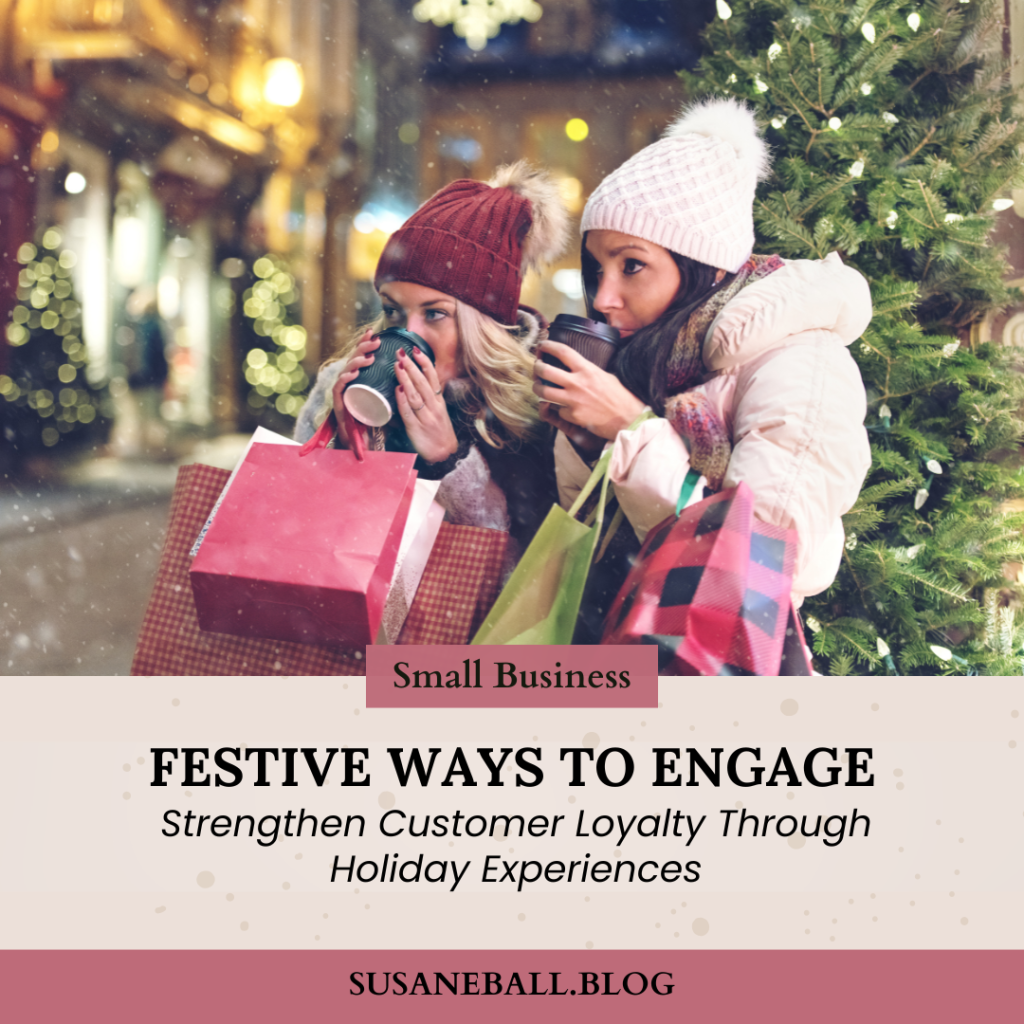
Strengthen Customer Loyalty Through Holiday Experiences

As a small business owner, it’s important that your customers feel connected to you—especially during the holiday season.

A genuine connection builds loyalty and encourages customers to choose your business over competitors. Two meaningful ways to build that connection are by giving back to your community and creating memorable experiences that engage your customers.

Give Back to Your Community

Sharing your blessings with those in need shows customers that your business cares about others. Many consumers today prefer to spend their money with companies that support meaningful causes. Here are some ways your business can give back this season:

Partner with local charities or food banks. Collect donations from customers and staff for organizations such as:

  • Toys for Tots—set up a collection box for toy donations.
    • Salvation Army Angel Tree—host an angel tag tree and accept gift drop-offs.
    • Samaritans Purse Operation Christmas Child—be a shoebox drop-off location.
    • Your local food bank—gather canned goods and other non-perishable items.

Donate a percentage of holiday profits.

  • Allow customers to choose which charity their purchase supports.
  • Partner with multiple nonprofits to appeal to a wider audience—such as a food bank, animal shelter, Make-a-Wish Foundation, or veterans’ organization.

Partner with nonprofits to provide hands-on service.

  • Team up with a local salon to provide free haircuts at a senior living center.
  • Partner with a disability support organization to host an accessible shopping day, with staff on hand to assist shoppers.
  • Offer free oil changes or car repairs for women living in shelters.

Volunteer together as a team.

  • Close your business for a few hours and volunteer as a group. You might host a holiday party for residents of a women’s shelter, wrap gifts for senior citizens, serve meals at a local soup kitchen, or deliver baked treats to police and fire departments. Volunteering as a team strengthens your workplace culture, boosts morale, and shows your customers that your business genuinely cares about the community.

Create Holiday Experiences

Festive events and experiences encourage customers to visit your business, linger longer, and connect on a personal level.

Host a Holiday Open House.
Many downtown districts hold open houses in November. Create an inviting, festive atmosphere with refreshments, music, and holiday décor. Offer exclusive open house deals or early-bird specials. If your business provides services, consider hosting an open house that also supports a local charity—guests could bring items or donations for a good cause.

Feature Local Artists or Makers.
Partner with local creators to showcase their work in your space.

  • A salon could host a jewelry maker or a permanent makeup artist.
  • A restaurant could feature local artisans in the lobby.
  • A retail shop could hold a trunk show with a vendor.

Host Customer Events.

  • Take photos with Santa or offer a festive photo backdrop.
  • Set up a cookie-decorating or ornament-making station.
  • Offer craft nights or centerpiece-making demonstrations.
  • Host game nights such as holiday bingo or trivia, with small prizes.

Hold Holiday Contests.

  • Run a children’s coloring contest with age-based prizes.
  • Offer daily giveaways for loyalty members.
  • Have a candy-jar guessing contest.
  • Reward customers who post reviews or engage on social media.
  • Post funny holiday photos and let followers caption them for prizes.

Wrapping Up

These ideas can help you connect with customers and strengthen relationships during the holiday season. Start planning your special events and charitable activities now, and you’ll create meaningful memories that keep your customers coming back all year long.

What are some ways your business engages with customers during the holidays? Share your ideas in the comments!

Small Business Saturday: How Supporting Local Shops Makes a Big Difference

As we celebrate Thanksgiving, let’s take a moment to appreciate the heart of our communities—small businesses. On Small Business Saturday, and throughout the holiday season, it’s important to recognize the significant role small businesses play in shaping our local economies and supporting community growth.

Small Businesses: The Backbone of the Economy

With over 34.8 million small businesses in the U.S. employing nearly 59 million people, small businesses make up 99.9% of all businesses and account for almost 46% of all jobs. While many small businesses are owned and operated by just one or two people, their economic impact cannot be overstated. Some of today’s small businesses will grow into large employers in the future, further strengthening the economy.

How Small Businesses Strengthen Local Communities

Small businesses are not just job creators; they are vital to the social and economic fabric of their communities. Here’s how:

  • Money stays in the local economy: When you spend money at a small business, it stays within your community. The business owner and employees spend that money locally, creating a ripple effect of local job creation and economic activity.
  • Ability to meet the unique needs of their community: Small business owners have the flexibility to pivot quickly and meet the specific needs of their customers. Without the need for top-down approval, they can respond swiftly to new opportunities, ensuring their businesses are relevant and adaptable.
  • Creates a community identity: Many small businesses have been a cornerstone of their communities for decades. For example, one of the best-known small businesses in our area is about to celebrate its 100th anniversary! These businesses become synonymous with local identity, embodying the history and culture of the area.
  • Involvement in local civic life: Small business owners often participate in community organizations like the Chamber of Commerce, Rotary clubs, and local initiatives. This active involvement helps address local challenges while creating a sense of shared purpose in the community.
  • Innovation and supporting other small businesses: A local restaurant might source ingredients from nearby farms, or a boutique could sell locally made products. Small businesses frequently collaborate with each other, creating unique shopping experiences and boosting one another’s success.

Show Your Appreciation on Small Business Saturday

As we reflect on the many blessings we have this Thanksgiving, I encourage you to show your gratitude by supporting small businesses this holiday season, especially on Small Business Saturday. Visit local shops, dine at locally owned restaurants, and think about allocating some of your Christmas shopping budget to support your favorite small businesses. When you shop local, you’re investing directly in the future of your community.

If you’ve heard about any small business owners giving back to the community or supporting charitable causes, take a moment to recognize their contributions. A simple “thank you” can go a long way.

A Special Note to Small Business Owners

If you’re a small business owner, remember to be grateful for your customers—they don’t have to shop with you, they choose to. Showing appreciation can take many forms, from offering special perks like gift wrapping or loyalty programs, to simply offering a friendly smile or a kind word. It’s a great time to strengthen the relationship with your customers and show them you value their support.

The Power of Kind Words

In this busy season, both customers and business owners can benefit from a kind word of thanks. After all, as the old saying goes: “Kind words are like honey—sweet to the soul and healthy for the body.” (Proverbs 16:24)

Happy Thanksgiving and Happy Small Business Saturday!

May you experience joy and blessings this season, and may your small business continue to thrive in the coming year!

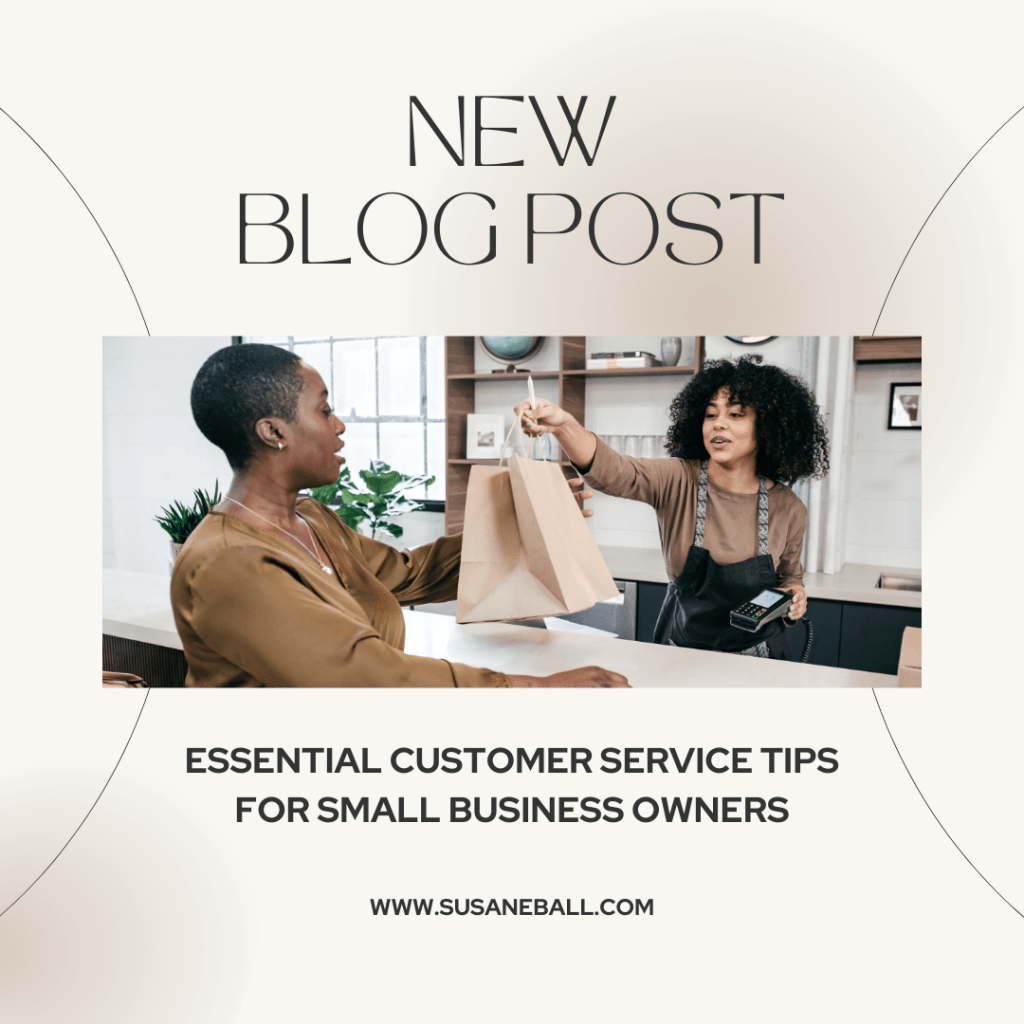
Customer Service Strategies Every Small Business Owner Should Know

“It’s my pleasure.” When I hear this phrase, I immediately think of Chick-fil-A. This simple, polite response is just one of the many ways the company creates an exceptional customer experience. By focusing on customer service, Chick-fil-A has become the number one fast-food restaurant in America. On average, a Chick-fil-A location generates 50% more revenue than a McDonald’s, despite being closed on Sundays.

As a small business owner, delivering a great customer experience should be at the heart of your strategy. A positive experience not only encourages repeat visits but also drives sales and increases profitability. Whether you’re just starting your business or looking to grow, it’s essential to create a customer-centric environment. The key to success lies in setting clear customer service policies, training your staff, and making sure everyone is on the same page. While customer service may look different depending on your industry, certain principles apply across the board.

1. Be Polite and Show Respect

Politeness and respect should be at the core of your interactions with customers. The way you address your clients—whether formally (e.g., Mr. Smith or Mrs. Jones) or informally—sets the tone for your business. Timely responses to emails and phone calls are also a sign of respect. It’s also vital to train your employees to handle complaints professionally by listening actively and taking steps to resolve issues quickly.

2. Timeliness Matters

Time is valuable to your customers, and respecting that time can set you apart. If you’re in a service-based business or doing contract work, meeting deadlines is crucial. If you operate a retail store or restaurant, greeting customers promptly and serving their orders as soon as they’re ready shows that you value their time and business.

3. Give Your Full Attention

When interacting with customers, it’s important to be fully present. This means putting away distractions like cell phones and focusing on their needs. In a busy environment, consider systems like queues or numbered tickets to ensure that no customer is left waiting too long and that service remains consistent.

4. Apologize for Mistakes and Make It Right

No business is perfect, and occasionally you will make mistakes. When this happens, apologize sincerely and avoid making excuses. A genuine apology can go a long way, but in some cases, you may need to offer a refund, replacement product, or discount to make up for the mistake. Empower your team to handle customer issues effectively, ensuring that the solution is fair and quick.

5. Respect Your CustomersTimelines and Budgets

This is especially important in contract or service-based businesses. If a client needs a job done by a certain deadline, don’t take on the job if you can’t meet it. Similarly, if a client has a strict budget, be transparent about costs upfront and do your best to stay within their limits. Trust is built when customers know you’ll respect both their time and money.

6. Establish a Dress Code

Your customer service policies should include clear guidelines for employee appearance. Whether you require uniforms, name tags, or business attire, make sure your team looks professional and approachable. A dress code that aligns with your industry standards shows customers that you take your business seriously and care about their experience.

7. Create a Welcoming Environment

First impressions matter. How customers feel when they enter your business can set the tone for their entire experience. Some businesses greet customers immediately upon entry, while others offer complimentary refreshments like coffee, bottled water, or mints. Small touches—like comfortable seating or soft background music—can make a big difference. Think about how you can enhance the atmosphere to make your customers feel welcome and valued.

8. Meet or Exceed Customer Expectations

The ultimate goal of customer service is to exceed expectations. When customers experience something better than they anticipated—whether it’s a friendly interaction, faster service, or a surprise bonus—they’ll be more likely to return. Continuously seek feedback from your customers and look for ways to improve.

Conclusion

The customer experience you offer is one of the most powerful tools you have for growing your business. By focusing on politeness, timeliness, respect, and attention to detail, you can create an environment where your customers feel valued and appreciated. Remember, small touches can leave a big impression. When your customers feel good about their experience, they’ll keep coming back—and they’ll bring others with them.

Need help creating a customer service strategy that works for your business? Whether you’re just starting out or looking to refine your existing approach, I’m here to guide you. Reach out today for a personalized consultation and let’s build a customer experience that will keep your clients coming back for more!