
When my husband and I opened our pizza restaurant, our corporate leaders encouraged us to pay close attention to customer satisfaction. If a customer seemed unhappy with a meal or the service they received, we were taught to address the issue immediately rather than letting them leave disappointed.
At the time, we were told that a satisfied customer would tell three people about their experience, while an unhappy customer would tell ten. That was long before Facebook, Google Reviews, Yelp, and other online review platforms made it possible for one unhappy customer to reach hundreds—or even thousands—of potential customers with a single post.
The principle still applies today. Negative experiences are often shared more widely and remembered more strongly than positive ones. That’s why every small business owner should make customer feedback a priority.
Customer feedback helps you understand what you’re doing well, identify problems early, make things right before they escalate, and protect your business’s reputation. Businesses that listen to their customers—and act on what they learn—are much more likely to earn loyal, repeat customers.
The easier you make it for customers to provide feedback, the more likely they are to do so. Here are several ways to encourage honest, helpful responses.
Gather Feedback While the Experience is Fresh
Whenever possible, ask for feedback while customers are still in your business. If you own a retail store, ask questions such as, “Did you find everything you were looking for?” Restaurant owners might ask, “How was your meal today?”
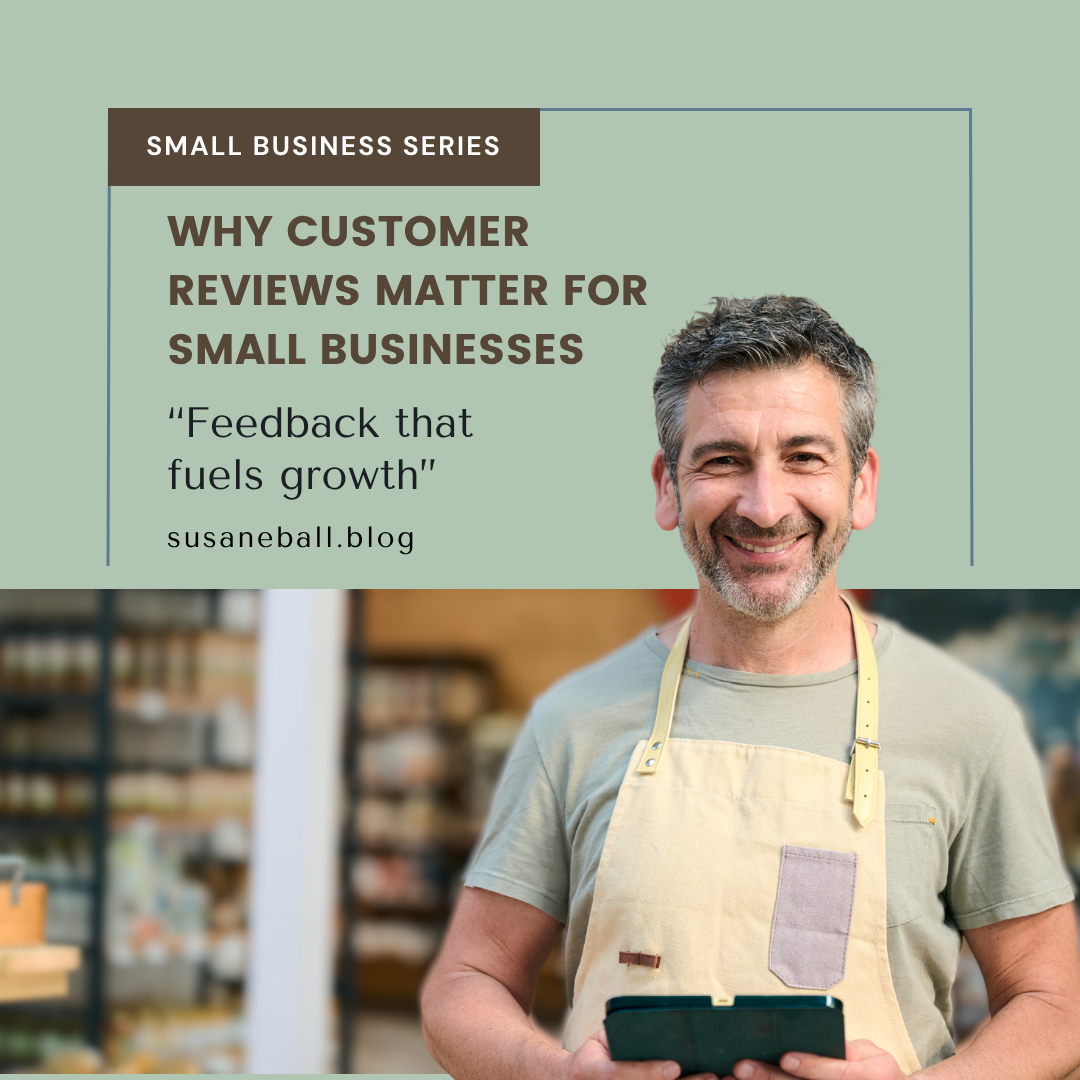
Many restaurants now allow customers to pay at their table using a tablet or kiosk and include a one-minute satisfaction survey before payment is completed. My organization does something similar by providing a brief survey at the end of every training class. Because it only takes about a minute to complete, we receive a high response rate.
If a customer expresses dissatisfaction, try to resolve the issue immediately. Correcting a problem before the customer leaves can often turn a disappointing experience into a positive one.
Keep Surveys Short
Customers are much more likely to complete a survey if it takes one minute or less.
Limit your survey to one to three yes-or-no, rating, or multiple-choice questions, along with one optional open-ended question. A short survey respects your customer’s time while still providing valuable information.
Ask Better Questions
General questions often produce general answers.
Instead of asking, “Were you satisfied with your meal?” ask more specific questions, such as:
- Was your meal served promptly?
- Was everything prepared correctly?
- Did your server check back to make sure everything was satisfactory?
Specific questions provide more useful information and make it easier to identify areas for improvement.
Encourage Honest Feedback
Positive reviews are encouraging, but honest feedback is even more valuable because it helps your business improve.
Ask questions such as:
- What could we have done better?
- What was your least favorite part of your experience?
- Is there anything we could improve for your next visit?
Customers often appreciate being asked for their opinions and are willing to share thoughtful suggestions.
Allow Anonymous Responses
Some customers are more comfortable providing feedback anonymously. Offering that option often increases response rates and leads to more candid comments that can help improve your business.
Make Online Feedback Easy
If customers purchase from you online, include a survey link in their order confirmation or receipt email. Make the survey easy to access and quick to complete.
The fewer clicks required, the more likely customers are to respond.
Ask for Online Reviews
Don’t hesitate to ask satisfied customers to leave a review on Google, Facebook, or another platform that’s important to your business. Many happy customers are willing to leave a review—they simply need to be asked.
A steady stream of positive reviews not only builds trust with prospective customers but also improves your visibility in online searches.
Consider Offering an Incentive
Some businesses encourage participation by offering a small discount on a future purchase, entry into a prize drawing, or another modest thank–you for completing a survey.
The goal isn’t to “buy” positive reviews but to encourage customers to share honest feedback.
Monitor Your Online Reviews
Customer feedback doesn’t stop with surveys.
Monitor your social media accounts and online review sites several times each week. Responding promptly shows customers that you value their opinions.
When responding:
- Thank customers who leave positive reviews.
- Use the customer’s name when appropriate to personalize your response.
- Respond professionally to every review.
Handle Negative Reviews Professionally
Resist the temptation to delete negative reviews unless they are abusive, fraudulent, or spam.
Instead, apologize sincerely when appropriate and acknowledge the customer’s concern. Often, an apology is all the customer wanted.
If additional discussion is needed, invite the customer to continue the conversation privately by phone or email. When appropriate, you may choose to offer an exchange, refund, or future discount in an effort to restore the relationship.
Remember that your public response isn’t just for the person who wrote the review. Future customers are also reading your response to determine how your business handles problems.
Every response should reassure prospective customers that you care about providing excellent products and outstanding customer service while avoiding responses that encourage people to make false complaints simply to receive something for free.
Learn from Customer Feedback
Whenever you receive negative feedback, investigate it carefully.
Ask yourself:
- Was the complaint valid?
- Was it an isolated incident?
- Does it reveal a larger problem that needs attention?
The purpose of gathering customer feedback is continual improvement. Businesses that listen, learn, and respond to customer concerns build stronger relationships, earn greater trust, and develop loyal customers who return again and again.
Customer feedback is one of the most valuable resources available to a small business owner. When you make it easy for customers to share their experiences—and when you genuinely listen to what they have to say—you gain insights that can help your business improve, strengthen your reputation, and attract even more customers.
After all, your customers are often your best consultants. All you have to do is ask.


