Is AI the Secret to Small Business Growth in 2025?

Artificial Intelligence (AI) is no longer a futuristic concept – it’s here and it’s transforming the way businesses operate. In fact, it’s likely that your competitors are already leveraging AI to streamline operations and fuel growth. If you’re not using AI, you might risk falling behind.

How Artificial Intelligence Can Help You Stay Competitive and Succeed:

1. Conduct Smarter Research

AI can help small business owners with research in ways that were once time-consuming or difficult to manage. For instance, I use AI to help business owners seeking loans by researching industry trends and competitors. This information strengthens business plans, increasing the chances of securing a loan. But research doesn’t stop there. You can also use AI to explore new business apps, stay up-to-date with tax code changes, and identify new opportunities.

2. Enhance Your Customers’ Shopping Experience

If your business collects data on customer preferences, AI can turn that information into actionable insights. AI tools can recommend products to customers based on their past purchases, making their shopping experience smoother and more personalized. Additionally, AI can alert you when a “best” customer is in your store, ensuring you provide them with the best service.

3. Automate Routine Tasks

AI can take over some of your routine tasks, freeing up your time for more strategic work. Many larger companies already use AI to respond to common customer queries online. Smaller businesses can also benefit by automating email sorting, drafting responses, and flagging emails that need immediate attention.

4. Boost Your Customer Service

AI-powered chatbots can handle frequently asked questions (FAQs) at any hour of the day or night, allowing you to provide better customer service without the need for around-the-clock staffing. This can enhance customer satisfaction and increase loyalty, all while saving time and resources.

5. Streamline Inventory Management

AI can help you predict sales trends and inventory needs, ensuring you never run out of popular products. AI can even automate inventory reorders when stock levels fall below a predetermined threshold, so you can keep your shelves stocked without extra effort.

6. Refine Your Pricing Strategy

AI can analyze competitor prices, customer demand, and market trends to suggest price adjustments that maximize profitability. Using AI to set dynamic pricing based on real-time data can give you a competitive edge.

7. Segment Customers for Smarter Marketing

AI can help identify customer segments and offer targeted marketing strategies tailored to each group. Whether it’s through personalized emails, special promotions, or tailored content, AI enables you to create more effective marketing campaigns.

Which AI Tools Should You Try?

There are a variety of AI tools available, both free and paid. The right tools for your business depend on your goals and needs. Here are some popular free options to get started:

  • Mailchimp: Automate your email marketing campaigns.
  • Google Analytics: Analyze website traffic and improve your SEO strategy.
  • Hootsuite: Schedule social media posts across platforms.
  • Canva: Design high-quality graphics and marketing materials.
  • HubSpot CRM: Manage customer relationships and track leads.

Additional tools can help with grammar checking, schedule management, and transcribing meeting notes – all of which save valuable time!

Final Thought: What AI Tools Will You Try First?

There’s no one-size-fits-all approach to integrating AI into your small business, but the right tools can significantly enhance productivity and help you stay competitive. AI is transforming the way businesses operate – but what works best for YOUR business? Share your thoughts or ask your questions in the comments below. I’d love to hear how you plan to use AI to grow your business this year! You can also comment on my Facebook or Instagram accounts with any questions you’d like to ask about Small Business Ownership.

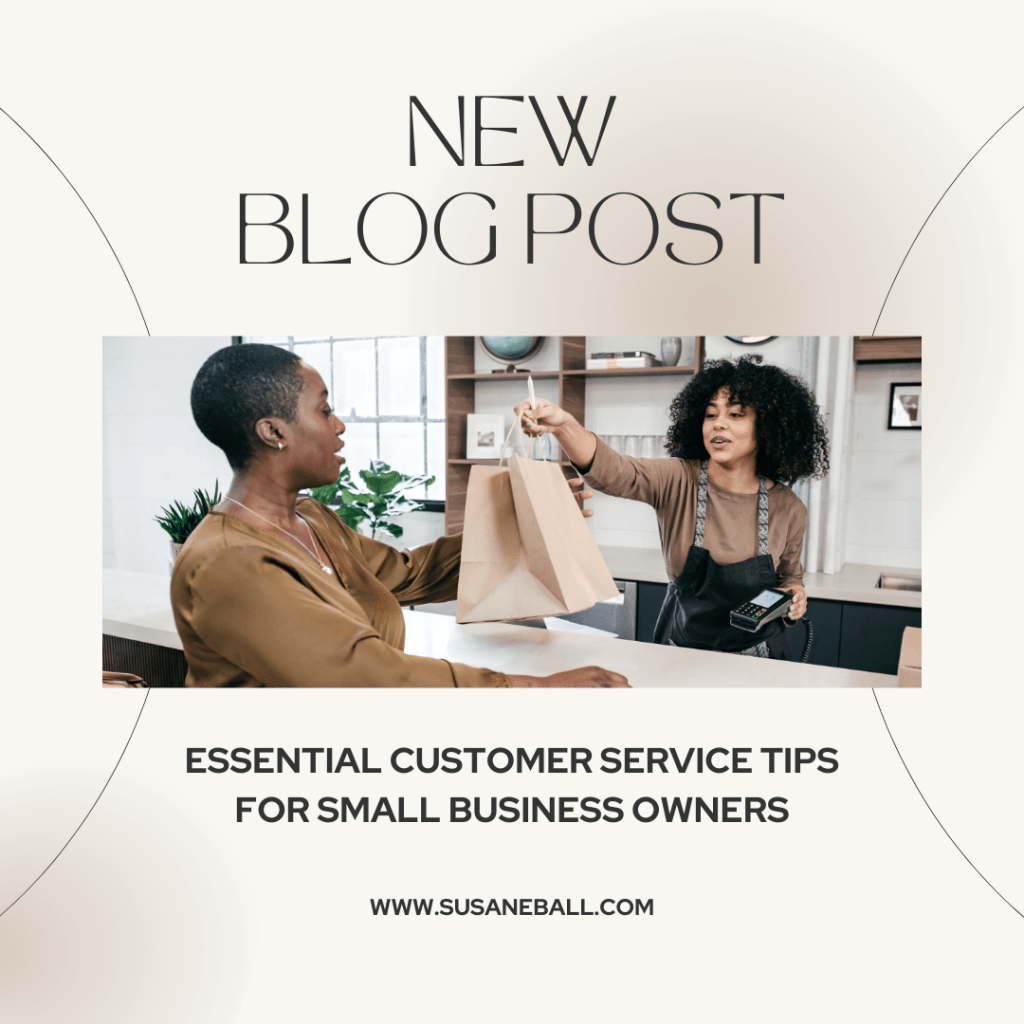
Customer Service Strategies Every Small Business Owner Should Know

“It’s my pleasure.” When I hear this phrase, I immediately think of Chick-fil-A. This simple, polite response is just one of the many ways the company creates an exceptional customer experience. By focusing on customer service, Chick-fil-A has become the number one fast-food restaurant in America. On average, a Chick-fil-A location generates 50% more revenue than a McDonald’s, despite being closed on Sundays.

As a small business owner, delivering a great customer experience should be at the heart of your strategy. A positive experience not only encourages repeat visits but also drives sales and increases profitability. Whether you’re just starting your business or looking to grow, it’s essential to create a customer-centric environment. The key to success lies in setting clear customer service policies, training your staff, and making sure everyone is on the same page. While customer service may look different depending on your industry, certain principles apply across the board.

1. Be Polite and Show Respect

Politeness and respect should be at the core of your interactions with customers. The way you address your clients—whether formally (e.g., Mr. Smith or Mrs. Jones) or informally—sets the tone for your business. Timely responses to emails and phone calls are also a sign of respect. It’s also vital to train your employees to handle complaints professionally by listening actively and taking steps to resolve issues quickly.

2. Timeliness Matters

Time is valuable to your customers, and respecting that time can set you apart. If you’re in a service-based business or doing contract work, meeting deadlines is crucial. If you operate a retail store or restaurant, greeting customers promptly and serving their orders as soon as they’re ready shows that you value their time and business.

3. Give Your Full Attention

When interacting with customers, it’s important to be fully present. This means putting away distractions like cell phones and focusing on their needs. In a busy environment, consider systems like queues or numbered tickets to ensure that no customer is left waiting too long and that service remains consistent.

4. Apologize for Mistakes and Make It Right

No business is perfect, and occasionally you will make mistakes. When this happens, apologize sincerely and avoid making excuses. A genuine apology can go a long way, but in some cases, you may need to offer a refund, replacement product, or discount to make up for the mistake. Empower your team to handle customer issues effectively, ensuring that the solution is fair and quick.

5. Respect Your CustomersTimelines and Budgets

This is especially important in contract or service-based businesses. If a client needs a job done by a certain deadline, don’t take on the job if you can’t meet it. Similarly, if a client has a strict budget, be transparent about costs upfront and do your best to stay within their limits. Trust is built when customers know you’ll respect both their time and money.

6. Establish a Dress Code

Your customer service policies should include clear guidelines for employee appearance. Whether you require uniforms, name tags, or business attire, make sure your team looks professional and approachable. A dress code that aligns with your industry standards shows customers that you take your business seriously and care about their experience.

7. Create a Welcoming Environment

First impressions matter. How customers feel when they enter your business can set the tone for their entire experience. Some businesses greet customers immediately upon entry, while others offer complimentary refreshments like coffee, bottled water, or mints. Small touches—like comfortable seating or soft background music—can make a big difference. Think about how you can enhance the atmosphere to make your customers feel welcome and valued.

8. Meet or Exceed Customer Expectations

The ultimate goal of customer service is to exceed expectations. When customers experience something better than they anticipated—whether it’s a friendly interaction, faster service, or a surprise bonus—they’ll be more likely to return. Continuously seek feedback from your customers and look for ways to improve.

Conclusion

The customer experience you offer is one of the most powerful tools you have for growing your business. By focusing on politeness, timeliness, respect, and attention to detail, you can create an environment where your customers feel valued and appreciated. Remember, small touches can leave a big impression. When your customers feel good about their experience, they’ll keep coming back—and they’ll bring others with them.

Need help creating a customer service strategy that works for your business? Whether you’re just starting out or looking to refine your existing approach, I’m here to guide you. Reach out today for a personalized consultation and let’s build a customer experience that will keep your clients coming back for more!