Competing with Amazon and Other Online Retailers: How Your Small Business Can Stand Out

As the holiday shopping season approaches, many small business owners worry about competing with Amazon and other online retailers. The good news is that you don’t have to beat Amazon at its own game.

Instead, focus on what your business can offer that an online retailer often cannot: personal service, local connections, specialized knowledge, and an enjoyable shopping experience. A customer may save a few dollars by shopping online, but many will choose a local business where they find the help and experience they want. The holidays offer a particularly good opportunity to show customers what makes shopping locally worthwhile. Here are some ways to make your business stand out.

Make Shopping Personal

One advantage of shopping in person is the opportunity to get help from someone who understands the product being sold. Small business owners and their employees can get to know customers’ preferences and offer recommendations that make gift shopping easier.

For example, a bookstore owner can help a customer choose a book based on the recipient’s interests. A clothing boutique can offer styling advice, while a specialty food store can put together a gift basket tailored to someone’s tastes.

Retail business owners should train employees to:

  • Learn customers’ preferences.
  • Make recommendations based on individual needs.
  • Remember returning customers and their previous purchases when possible.
  • Suggest complementary products when they would be helpful.
  • Offer gift ideas for people who aren’t sure what to buy.

Create Unique Gift Bundles

Small businesses can encourage holiday purchases by putting together gift packages that customer may not find elsewhere. Bundles featuring locally made products are especially appealing because they introduce shoppers to items they might not discover on their own.

Here are a few ideas to get you started:

  • A handmade pottery mug paired with locally roasted coffee and cookies or muffins from a local bakery.
  • A knitting kit with yarn, patterns, and accessories.
  • A spa package featuring lotions and soaps made by local artisans.
  • A children’s reading bundle featuring books by local authors, along with a stuffed animal or educational activities.

Think about the customers you serve and the products they already enjoy buying from you. A thoughtfully assembled bundle saves shoppers time and gives them an easy gift option. It can also introduce customers to more of your inventory.

Emphasize the Benefits of Shopping Local

Many customers want to support their communities, particularly during the holiday season. Remind customers that their purchases do more than provide a gift. Shopping locally helps support local jobs and keeps more spending in the community.

Social media is a useful way to share what makes your business and its community special. Consider telling stories about:

  • Your company’s history and why you opened the business.
  • Your employees and the people who make your business successful.
  • Your involvement in local events and community activities.
  • The local suppliers and makers whose products you sell.

People may discover your business because they need a gift, but learning about the people behind it can give them another reason to shop with you. These connections are part of what makes an independent business different from a large online retailer.

Offer Convenient Services for Local Customers

Many consumers shop online because they want to save time. Small businesses can compete by making it easy for local customers to shop in the way that works best for them.

Depending on your business and available resources, consider offering:

  • Free local delivery.
  • Curbside pickup.
  • Extended holiday hours.
  • Same-day pickup for in-stock items.
  • Online ordering.
  • Gift-wrapping services.

You don’t have to offer every service on this list. Choose the options your customers are most likely to appreciate and that your business can manage profitably. Even a simple service, such as having an online order ready for pickup, can save a busy customer time while bringing them into contact with your business.

Turn Your Expertise into a Competitive Advantage

Amazon can offer a vast selection of products, but it cannot always provide the personalized guidance customers need to choose the right item. If you have specialized knowledge in your industry, make it part of the value you offer.

For example:

  • Hardware store employees can help customers choose the right tool and explain how to use it.
  • Garden centers can recommend plants suited to a customer’s needs and explain how to care for them.
  • Pet stores can help customers select food and supplies appropriate for their pets.
  • Music stores can guide customers toward instruments and accessories suited to their interests and experience level.

This kind of assistance is especially valuable during the holidays, when shoppers may be buying something unfamiliar for another person. A customer who feels confident about a purchase is less likely to worry about choosing the wrong gift. Make sure your employees know the products you sell and feel comfortable answering common questions. When a customer can get useful advice along with a purchase, your business offers something beyond the product itself.

Create Positive Experiences for Your Customers

A pleasant shopping experience gives people a reason to visit your business rather than shop online. You don’t need an elaborate event or an expensive renovation to make your store feel inviting. Small touches can make customers more comfortable and give them something to remember.

Consider these ideas:

  • Decorate your store for the holidays in a way that complements your merchandise.
  • Offer refreshments and play holiday music during special shopping hours.
  • Demonstrate how to make ornaments, wrap gifts creatively, or prepare holiday dishes.
  • Offer tastings of food products you sell or items from your menu.
  • Host workshops related to your products, such as wreath making, holiday centerpiece design, cookie decorating, or creating family memory books.
  • Provide family-friendly activities, such as photos with Santa, holiday card making, or Christmas carol sing-alongs.

Remember that holiday shopping can be a social activity, too. People often enjoy getting together with family or friends for a meal and then spending an afternoon browsing local shops. A boutique can be a wonderful place to visit together, whether friends are looking for gifts or simply enjoying an outing.

You may also have customers who bring visiting relatives into their favorite local store to show them what’s available in the community. Someone who has never visited your business might come along out of curiosity and discover products they love. An inviting atmosphere and friendly service can turn that first visit into a future customer.

Think about how your business could become part of someone’s holiday plans. A special shopping evening, a small in-store activity, or simply creating a comfortable place to browse can give people a reason to stop in together.

Leverage Social Media Strategically

Small businesses have an opportunity to show the people and stories behind their products on social media. Video is one way to do this because it lets potential customers see products in use and get a feel for your business before visiting.

Rather than focusing only on sales messages, share content that helps people get to know your business and gives them a reason to stop by. Ideas include:

  • Behind-the-scenes looks at your business.
  • Employee spotlights.
  • Customer stories, shared with permission.
  • New arrivals.
  • Holiday gift ideas.
  • Community events and activities.

For example, a boutique could post a short video showing several gift options at different price points. A shop hosting a holiday event could share preparations and invite followers to attend. Consistent posts can keep your business in customers’ minds as they make their holiday plans. They also give people something to share with friends who might enjoy visiting your store.

Collaborate with Other Local Businesses

Instead of trying to attract every customer on your own, look for opportunities to work with neighboring businesses. Partnerships can introduce you to new customers and make shopping locally more appealing.

Here are some possibilities:

  • Joint holiday promotions. Coordinate promotions with nearby businesses so customers have more reasons to shop in your area.
  • Community shopping events. Partner with other businesses to host an evening of extended shopping hours.
  • Cross-promotions. Recommend one another’s businesses through social media, email newsletters, or in-store displays.
  • Combined gift experiences. Create packages featuring products or services from several businesses. One promotion in our community combined a couples’ massage, bath bomb making, and a chocolate tasting.

These partnerships can be particularly effective during the holidays because customers may be looking for an outing rather than a single shopping stop. When businesses work together, they can help make an afternoon or evening out more appealing while introducing customers to places they might not otherwise visit.

Focus on Customer Loyalty, Not Just Holiday Sales

The holiday season is an opportunity to attract new customers, but the relationship doesn’t have to end when the gifts are unwrapped. Someone who discovers your store in December may become a regular customer throughout the year.

Give shoppers simple ways to stay connected with your business:

  • Invite them to join a loyalty program.
  • Encourage them to subscribe to your email newsletter.
  • Ask them to follow your business on social media.

You can also use these channels to share new products, upcoming events, and seasonal offerings after the holidays. The goal is to give customers a reason to think of your business the next time they need something you sell.

Final Thoughts

Amazon will remain a major competitor in online retail, but small businesses have advantages that a large online retailer cannot easily duplicate. Personal service, knowledgeable employees, and a connection to the local community can all make a difference in where customers choose to shop.

This holiday season, look for ways to make shopping with your business worthwhile beyond the products you sell. Help customers find the right gifts, make their visits enjoyable, and give them a reason to bring family and friends through your doors. You may not win every sale on price or convenience, and you don’t need to. By offering something customers value beyond the transaction itself, you can attract new shoppers during the holidays and build relationships that continue long after the season ends.
How to Attract Holiday Shoppers as a Small Business Owner

The holiday season can account for a significant share of annual revenue for many small retailers, artisans, and online sellers. Shoppers are looking for convenience, unique gifts, and enjoyable shopping experiences. With a little creativity and planning, you can attract more customers and increase holiday sales without spending a fortune on marketing.

Whether you operate a storefront, an e-commerce site, or a booth at craft shows and pop-up markets, these affordable ideas can help your business stand out during the holiday season.

Create a Festive First Impression

Storefront Businesses

Your window display may be the first thing shoppers notice as they walk past or drive by your store. A welcoming display can catch their attention and encourage them to come inside. Try these low-cost ideas:

  • Add holiday window clings or festive signage.
  • Use battery-operated lights to highlight displays.
  • Place decorated planters or seasonal decorations near the entrance.
  • Feature popular gift items in the window.
  • Create a simple “Holiday Gift Guide” display with gifts at different price points.

Pop-Up and Craft Show Vendors

Customers often decide within seconds whether to stop at your booth. Make your space inviting and easy to browse with ideas such as:

  • Holiday-themed decorations.
  • Battery-powered string lights.
  • Attractive product groupings by price.
  • Clear signs such as “Gifts Under $25” or “Stocking Stuffers.”

Online Sellers

Your website and social media profiles are your digital storefront. Give them a seasonal update that helps shoppers discover what you offer and find items they want to buy. Consider:

  • Adding seasonal website banners.
  • Updating profile and cover photos on social media.
  • Creating gift collections and holiday shopping categories.
  • Featuring seasonal products on your homepage.

Offer Easy Gift Solutions

Many holiday shoppers are short on time or unsure what to buy. They appreciate suggestions that help them find a suitable gift without spending hours searching. Gift collections can also encourage customers to purchase more than one item and help you sell inventory that has been moving slowly.

Make gift shopping easier by creating:

  • Gift bundles.
  • Curated gift baskets.
  • “Top Picks” collections.
  • Lists of staff favorites.
  • Gift guides organized by recipient, such as teachers, moms, coffee lovers, or pet owners.

Make Shopping Feel Special

You don’t need an expensive event to make shopping enjoyable. Small touches can create a welcoming atmosphere and give customers a reason to visit your business. Try:

  • Offering free gift wrapping with a minimum purchase.
  • Providing complimentary gift tags.
  • Serving hot cocoa or offering holiday candy during special shopping hours.
  • Creating a small holiday photo backdrop where customers can take pictures with family and friends.
  • Staying open later one evening each week.

Encourage Repeat Visits

Simple incentives can encourage customers to return before the holidays end. Consider these options:

  • “Shop Three Times, Get $10 Off.” Customers can present receipts from two previous purchases to receive a discount on their third purchase.
  • Punch cards. Offer a reward based on the number of visits or the amount spent.
  • Bounce-back coupons. Give customers a coupon they can use in January to encourage another visit after the holidays.
  • Gift card bonuses. Offer a small bonus gift card when customers purchase a gift card above a certain amount.

Showcase Local and Handmade Items

Independent businesses have something that big-box stores often cannot offer: a direct connection to the people who make their products and the communities they serve.

If you operate a storefront, consider these ways to attract shoppers while supporting other local businesses:

  • Set aside space for local craftspeople to display and sell their products. Use small signs to identify the creators.
  • Invite a local craftsperson to host a trunk show in your store.
  • Use signs to highlight products made locally or with locally sourced materials.
  • Share your business’s story and explain how shopping with you supports the local community.

Use Social Media Consistently

You don’t need to pay for advertising to increase your visibility. Regular, useful posts can remind customers what you offer and give them reasons to visit or shop online.

Create a social media calendar for the rest of the holiday season. Planning ahead will help you stay consistent when business gets busy. Your posts could include:

  • New arrivals.
  • Gift ideas for different types of shoppers.
  • Customer favorites and testimonials. With permission, share customer videos or photos.
  • Behind-the-scenes looks at your business.
  • Progress on your holiday decorating.
  • Staff recommendations.
  • Demonstrations showing how to use your products.

Encourage Customers to Share Photos and Reviews

Content created by your customers can provide valuable word-of-mouth marketing. When people share pictures of products they’ve purchased or show how they use them, potential customers get a real-life look at what your business offers.

Encourage customers to:

  • Share photos of their purchases.
  • Tag your business in social media posts.
  • Leave reviews.
  • Show how they use your products.

Ask permission before reposting customer photos or other content on your own website or social media accounts.

Partner with Other Local Businesses

Working with other businesses can help you reach new customers without having to carry the entire marketing cost yourself. Consider partnering with businesses whose products or services complement yours.

Ideas include:

  • Cross-promotions.
  • Joint giveaways.
  • Shared holiday events.
  • Passport shopping programs that reward customers for visiting participating businesses.
  • Gift baskets featuring products from several local businesses.

Build an Affordable Holiday Email Campaign

Email remains a cost-effective way to stay in touch with customers and remind them about holiday shopping opportunities. If you already have an email list, use it to share timely information and helpful gift ideas.

Your emails could feature:

  • Holiday gift guides.
  • Weekly featured products.
  • Last-minute gift reminders.
  • Event announcements.
  • Local shopping promotions.
  • Coupons and special offers.

Keep your messages useful and relevant, and make sure customers have agreed to receive your marketing emails.

Create a Reason to Shop Now

Many shoppers wait until the last minute to buy gifts. Timely reminders can encourage customers to shop earlier, when more choices are available. Use email and social media to highlight genuine deadlines, limited inventory, or special offers.

For example, you might use messages such as:

  • “Limited Holiday Inventory.”
  • “Order by December 18 for Christmas Delivery,” if that deadline is accurate.
  • “Only 10 Remaining,” when stock is actually limited.
  • “Holiday Collection Available Through December 24,” if the collection will no longer be available afterward.

Be honest about deadlines and inventory. Customers should be able to trust the information you share.

Sell Gift Cards

Gift cards are convenient for shoppers who aren’t sure what to buy. They also provide your business with revenue now and can bring customers back for future purchases.

Consider offering:

  • Physical gift cards.
  • Digital gift cards.
  • Bonus gift cards, such as a $5 gift card with a $50 purchase.

Before offering a bonus, make sure the cost fits your budget and the promotion is worthwhile for your business.

Use Clear Price Points

Holiday shoppers often have a budget in mind. Make it easier for them to find suitable gifts by grouping products into price ranges and displaying the prices clearly.

For example:

  • Gifts Under $10.
  • Gifts Under $25.
  • Gifts Under $50.
  • Premium Gifts Over $100.

These categories can work in your store, at a craft show, or on your website.

Promote Stocking Stuffers

Small, affordable items can encourage customers to add one more purchase to their shopping bags. They also give shoppers easy options for coworkers, friends, and people who are difficult to buy for.

Depending on what your business sells, stocking stuffer ideas might include:

  • Candles.
  • Soaps.
  • Jewelry.
  • Specialty foods.
  • Accessories.
  • Seasonal decorations.

Display these items near checkout or group them together online to make them easy to find.

Try a “12 Days of Christmas” Promotion

A “12 Days of Christmas” promotion can build excitement without requiring large discounts or an expensive marketing campaign. Feature a different product or offer each day to give customers a reason to check back.

Ideas include:

  • A featured product.
  • A small giveaway.
  • A limited-time bundle.
  • Free shipping on qualifying orders.
  • Bonus loyalty points.

Plan the promotion in advance and choose offers that fit your budget and profit margins.

Thank Your Customers

During a season filled with marketing messages, a sincere thank-you can make your business stand out. Customers who feel appreciated may be more likely to return throughout the year.

Simple ways to show your gratitude include:

  • Handwritten thank-you notes. These can be especially meaningful when you sell higher-priced products or work with a smaller number of customers.
  • Personalized emails. A brief, genuine message can help customers feel that their business matters.
  • Small gifts with a purchase. Choose something affordable that complements what they bought.
  • Public appreciation posts. Thank your customers on social media without sharing personal information or photos unless you have their permission.

Final Thought

You don’t need a large holiday marketing budget to attract shoppers. A welcoming display, helpful gift suggestions, regular communication, and partnerships with other local businesses can help you make the most of the season.

The goal isn’t to outspend larger retailers. It’s to make shopping with your business convenient and worthwhile. By planning ahead and focusing on what your customers need, you can create a better shopping experience and give people more reasons to choose your business during the holidays—and return after the season ends.

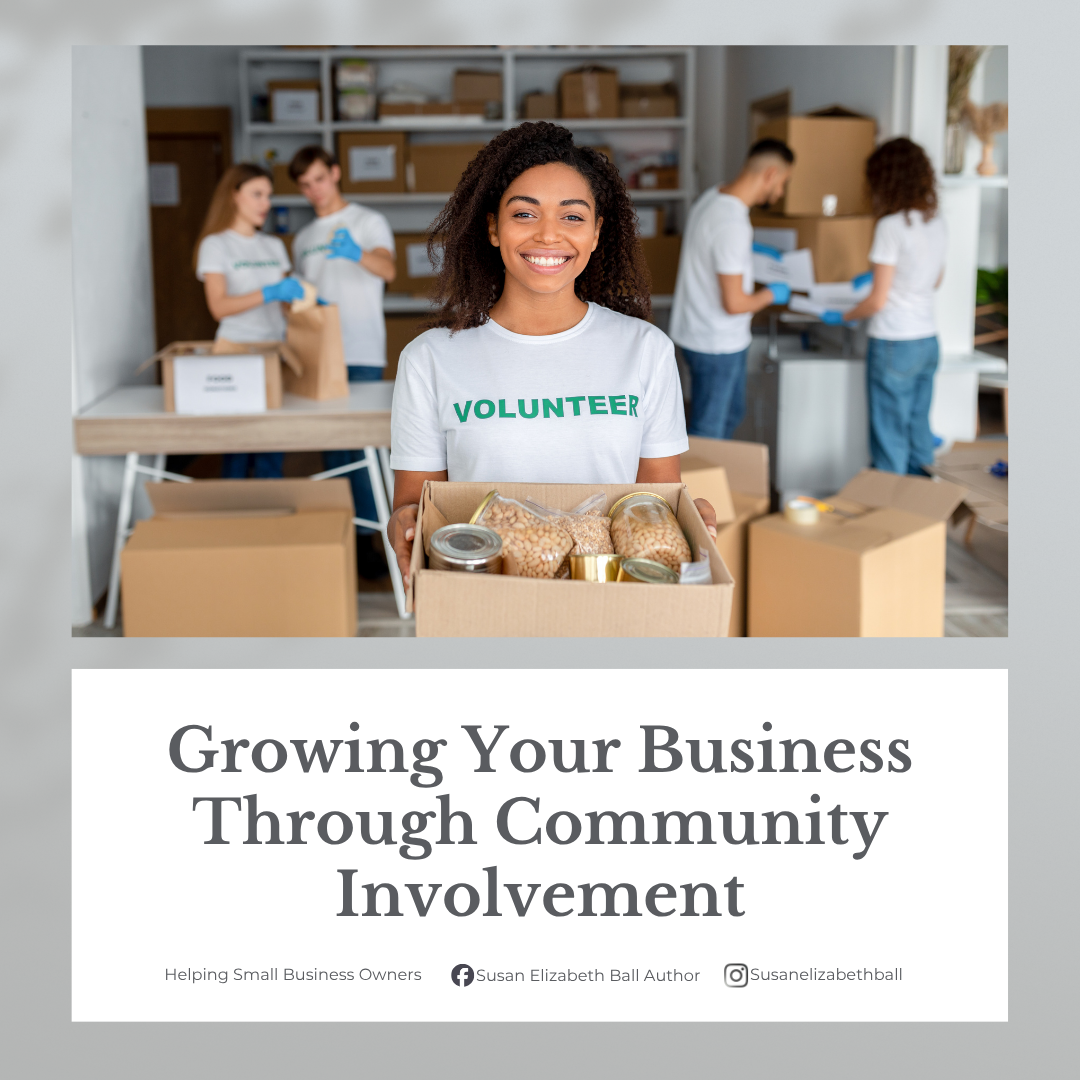
Growing Your Business Through Community Involvement

As a small business owner, you have many opportunities to get involved in your community. Almost as soon as you announce that you are open for business, you may find yourself being courted by organizations asking you to join them. Generally speaking, becoming involved in these organizations can benefit your business in several ways.

By associating with local organizations and other business owners, you can:

  • Make new business acquaintances and contacts.
  • Increase awareness of your business.
  • Become part of a referral network.
  • Learn from more experienced business owners.
  • Engage in community events and service projects that benefit your community while also bringing attention to your business.

There are many positive reasons to engage in local business and civic organizations. There are also many different types of organizations to consider, including:

  • Chambers of Commerce
  • Service clubs, such as Rotary, Kiwanis, Elks, Eagles, and Lions clubs
  • Business referral groups, such as BNI

Each organization provides different benefits and requires a different level of involvement. The following chart provides a general comparison of the commitment and benefits you might expect from several common organizations.

OrganizationCommunity ServiceNetworkingReferralsLeadership
Chamber of CommerceModerateHighModerateModerate
RotaryHighHighModerateHigh
LionsHighModerateLowModerate
KiwanisHighModerateLowModerate
BNILowHighVery HighLow
ElksModerateModerateLowModerate
EaglesModerateModerateLowModerate

These are just a few of the organizations that business owners might join. Many other civic organizations and networking groups, as well as downtown merchants’ groups and industry associations, exist. Additionally, a business owner might be asked to support local schools, youth sports leagues, environmental groups, and other community causes.

Determine What You Want to Accomplish

With so many opportunities, it may be difficult to know which organizations to join. You do not have the time to join every worthwhile group, so you must decide which ones are right for you based on what you are trying to achieve.

Before joining an organization, consider your objectives. You may want to:

  • Generate sales leads.
  • Build referral relationships.
  • Meet community leaders.
  • Support community causes.
  • Recruit employees.
  • Learn business skills.
  • Gain visibility and credibility.
  • Advocate for business interests.
  • Develop leadership skills.
  • Build friendships and community connections.

Not every organization will help you accomplish every objective. For example, a referral group may be excellent for generating leads but provide fewer opportunities for community service. A service organization may offer great opportunities to serve your community and build leadership skills but may not focus on generating direct business referrals.

The key is to choose organizations that align with what you need and what you enjoy doing.

Evaluate Your Options

Once you know what you hope to accomplish, evaluate each organization you are considering based on several factors:

  1. How well will the organization help you achieve your objectives?
  2. How much time will membership require?
  3. How much enjoyment do you expect to receive from participating?
  4. Will you have access to potential clients and community leaders?
  5. Will the organization provide opportunities for professional and personal growth?

Time is an especially important consideration for a small business owner. While community involvement can help your business, becoming involved in too many organizations can take you away from the day-to-day responsibilities of running it.

Remember that membership alone is unlikely to produce significant results. Building relationships requires showing up, participating, and getting to know people. Choose organizations where you can make a meaningful commitment rather than spreading yourself too thin across too many groups.

Find the Right Combination

After you complete your evaluation, select a few organizations to explore further. Ask whether you can attend one or more meetings or events before deciding to join. This gives you a chance to see whether the organization is a good fit for you and your business.

Many business owners decide to join their local Chamber of Commerce or downtown business association, one service organization, their industry association, and one or more networking groups.

This combination can provide a balance of referrals, visibility, community impact, leadership development, and professional growth without overwhelming your schedule.

Community involvement should be more than simply putting your business name on a membership list. When you choose the right organizations and become actively involved, you can build relationships, strengthen your reputation, serve your community, and create opportunities that help your business grow.

What organizations have you joined that most benefited your business?

How Small Purchases Grow Local Economies

Americans love flowers. We buy fresh flowers and plants to decorate our homes and offices. We give flowers to those we care about to express love, encouragement, sympathy, gratitude, and thanks. Americans spend $71 billion annually on flowers. That works out to $261 per adult per year, although some people spend a great deal more than that.

I read an article this week in which the writer lamented that her boss spends $1,400 per week on fresh flowers for her home. She felt that the expenditure was wasteful. The flowers wilt and are discarded after six or seven days, at which time they are replaced with a new batch.

While some people will agree with the writer, others may wish they had the ability to spend $1,400 per week on flowers. My thoughts, however, were directed toward a different question: How many small business owners profit from this woman’s weekly flower purchases?

When you place an order for fresh flowers from your local florist, you are supporting that small business. The margin above the wholesale cost of the flowers helps the florist pay the costs of operating her shop, including employee wages, rent, utilities, and insurance. But the purchase extends far beyond the florist shop.

The florist purchased the flowers from a grower or, more likely, from a flower wholesaler. The flowers had to be shipped from where they were grown to the retail shop. Each of these steps was accomplished by a business that directly benefited from the final purchase.

There are many businesses involved in the supply chain that starts with a grower planting flower seeds and ends with flowers in a shop, ready for purchase. Each business involved potentially benefits from every purchase made at a local flower shop. Here is a list of businesses that may benefit directly from each sale:

  1. Florist
  2. Flower farm
  3. Seed supplier
  4. Fertilizer supplier
  5. Irrigation supplier
  6. Greenhouse supplier
  7. Agricultural labor contractor
  8. Floral wholesaler
  9. Refrigerated warehouse
  10. Transportation company
  11. Fuel station
  12. Packaging manufacturer
  13. Ribbon supplier
  14. Greeting card company
  15. Credit card processor
  16. Bank
  17. POS software provider
  18. Internet provider
  19. Commercial landlord
  20. Utility companies
  21. Refrigeration maintenance company
  22. Accountant or bookkeeper

Additionally, many businesses benefit indirectly. The employees of the flower shop use their earnings to meet the needs of their families. They spend money at local grocery stores, restaurants, retail shops, doctors’ offices, and hair salons, just to name a few. This is referred to as the economic multiplier effect.

It is estimated that each dollar spent at a local small business contributes an additional $2–$4 to the local economy.

This spending cycle begins with a customer making a purchase at the flower shop. The florist then uses the money to buy more flowers, pay employees and delivery drivers, and pay other bills such as rent and utilities. This is the first round of the spending cycle.

In the second round, the employees and businesses that were paid by the florist spend the money they received to purchase groceries, buy supplies, and pay their bills.

The process continues as the money distributed in the second round is used by those recipients to pay their bills and reinvest in their businesses. In each round, some money is saved, some is used to pay taxes, and some leaves the local economy.

Thus, the $1,400 spent by the boss on flowers each week helps support economic activity throughout her local community. That weekly purchase doesn’t just benefit the florist. It helps support the growers, suppliers, transportation companies, employees, and other businesses connected to the purchase.

So, the next time you want to purchase flowers for yourself or as a gift for a friend, remember that purchasing from your local florist:

  1. Sustains the florist.
  2. Supports a network of growers, wholesalers, truckers, landlords, and service providers.
  3. Creates income for workers.
  4. Causes additional spending throughout the community.

One note of caution: Be sure your flower purchases fit into your budget.

But when you have room in your budget, buying flowers from your local florist can do more than brighten someone’s day. It can help brighten the local economy, too.

How to Create Buzz for Your New Small Business

Many clients I meet with are launching new businesses. It is important for them to attract attention and make their presence known in order to gain their first customers.

My husband and I opened our pizza restaurant in a busy shopping center in a small town. Our future customers watched with interest as the 7,000-square-foot addition to the shopping center was constructed and divided into four retail units. They peeked through the windows to watch the progress of the interior and tried to estimate how much longer it would be until our restaurant opened for business.

Despite all this attention, we still wanted to make a big splash, so we invested in a marketing blitz. Here are some of the strategies we used.

Join the Chamber of Commerce

Local Chambers of Commerce provide valuable support and connections for small business owners. We attended Chamber meetings and met many local business owners in the months leading up to our opening.

Chamber members are often very supportive of fellow members, and many of them became regular customers of our restaurant.

Hold a Grand Opening Celebration

We worked with our franchise team and the Chamber of Commerce to plan a grand opening celebration and ribbon-cutting event.

We advertised on the local radio station, and the Chamber president, town manager, and a local radio reporter attended the event. The reporter interviewed us, and the interview aired on the radio for several days. We also shared samples of our pepperoni pizza and breadsticks with attendees.

Place Yard Signs Around Town

We purchased inexpensive yard signs and placed them throughout town in the yards of friends and in front of businesses that gave us permission. Yard signs are highly visible to passing drivers and helped increase awareness of our upcoming opening.

Send Out Coupons

Our franchise provided legal-sized coupon sheets that we were required to distribute monthly. About a week before our grand opening, we had thousands of coupon sheets inserted into the local newspaper.

This strategy helped introduce our restaurant to potential customers before we officially opened our doors.

Advertise Locally

Local radio advertising is an affordable way to attract attention from new customers. We began running ads several weeks before our grand opening.

We also placed advertisements in high school basketball programs and local hotel guest information booklets to increase visibility within the community.

Engage the Local Community

We intentionally used local businesses for as much of our build-out as possible, including carpentry, plumbing, and HVAC services. We used a local print shop for our yard signs and employee manuals, purchased office supplies from a nearby stationery store, bought insurance from a local agent, and hired a local accountant to prepare our taxes.

As a result, many of those businesses visited our restaurant when we opened, and many became loyal customers.

We opened our business in 2000—before social media marketing existed in the way it does today. If I were opening a new business now, I would also include these strategies.

Establish an Online Presence Early

Create a website, establish your Google Business profile, and set up your social media platforms before opening day.

I would begin publicizing the business several weeks before the planned opening. Short videos and reels could be used to show the progress of preparing the restaurant, introduce employees, and preview menu items. These types of posts help build anticipation and excitement.

Share News with Friends and Business Contacts

Use email, newsletters, social media, and even traditional mail to announce your new business to friends, family, and professional contacts.

I would include photos of the restaurant, food, and staff, along with links to the website and menu. Coupons and special offers can also help encourage first visits.

Use Content Marketing to Build Interest

YouTube videos and blogs can help educate potential customers about your business, answer frequently asked questions, and share tips or behind-the-scenes content.

A historic building in our town is currently being renovated to resemble its appearance from 50 years ago. The owners are documenting the renovation process on YouTube and sharing stories about the building’s history. Local residents have also shared memories connected to the business. One of those videos has received more than 69,000 views.

This type of storytelling helps people feel emotionally connected to a business before it even opens.

Build Relationships with Complementary Businesses

Partner with businesses that serve the same customer base but do not compete directly with your company.

For example, if you own a lawn care business, you might build referral relationships with power washers, HVAC companies, carpet cleaners, plumbers, or handyman services. All of these businesses serve homeowners and small businesses, making them valuable referral partners.

It is important to promote your business widely in the weeks leading up to your opening. You want excitement and curiosity to build so that when you finally open your doors, customers are eager to walk through them.

What creative ideas have you seen businesses use to promote a grand opening?

How to Pay Your Employees Fairly Without Hurting Your Small Business

As a financial advisor for small business owners, I meet with approximately 300 unique business owners every year. Many are solopreneurs who prefer to stay solo. Others start alone but plan to hire as they grow. And some, like my husband and I did, need to bring on employees before they even open their doors.

When we opened our quick-serve pizza restaurant, we had to hire and train our team first. We paid minimum wage to teenagers seeking their first job, about 10% more to older teens with some experience, and 25-50% above minimum wage to adults with significant prior experience. It was a valuable early lesson in balancing what the business could afford with what it takes to attract good people.

One of the most common goals I hear from small business owners is the desire to create good-paying jobs. That’s a noble aim, and I respect it deeply. The Bible is clear on the importance of paying people fairly and on time. In Luke 10:7, Jesus tells His disciples, “The laborer is worthy of his wages.”

While Scripture instructs us to pay what is due and to do so promptly, it doesn’t provide specific guidance on determining a worker’s exact worth. That decision often feels challenging-especially when you’re hiring your first employee.

Here are practical, step-by-step guidelines to help you determine a fair and sustainable wage or salary.

Steps to Determine What to Pay an Employee

1. Define the job clearly.

List every task the employee will perform. What skills, education, certifications, or experience are truly required? The greater the requirements, the higher the pay should typically be.

2. Consider the working conditions.

Will the job involve difficult weather, unpleasant tasks, physical demands, or risk of injury? Jobs with tougher conditions usually command higher compensation to attract reliable candidates.

3. Research market rates.

Look at what other companies in your area are paying for similar roles. Competitive pay helps you attract and retain qualified people. You can find good data on sites like Indeed, Glassdoor, or your local Chamber of Commerce.

4. Review industry standards.

Industry reports can show average salaries and what percentage of revenue is typically spent on payroll. Keep in mind that national averages may not fully reflect your local cost of living—wages are often higher in high-cost areas and lower in others.

5. Determine what you can realistically afford.

Calculate how much additional revenue the new employee is expected to generate. Factor this into your budget to ensure the position is financially sustainable before you make an offer.

6. Factor in your local cost of living.

Consider the minimum salary that would allow an employee to maintain a reasonable quality of life in your area. If your industry traditionally pays lower wages, make sure your offer is at least above both federal and state minimum wage requirements.

7. Calculate the total cost of employment.

Look beyond the base wage. Include:

  • Employer portions of Social Security and Medicare
  • Workers’ compensation insurance
  • Health insurance contributions
  • Retirement plan matches
  • Any other benefits

Note that Paid Time Off (PTO) doesn’t usually create direct extra expense unless you need to bring in coverage.

8. Set a salary range and negotiate thoughtfully.

Establish a realistic pay range based on the factors above. Offer higher within that range for candidates who can contribute immediately, and lower for those who will need more training.

Final Thoughts

Taking the time to follow these steps will help you offer wages that are fair, competitive, and sustainable for your business. If you offer is too low, you’ll struggle to attract good candidates. If it’s too high for your business to support long-term, you risk financial strain or having to make difficult changes later.

The goal is to prayerfully find the balance-paying a wage that honors the employee, supports your small business, and allows both you and your team to thrive.

When you get this right, you don’t just fill a position. You invest in a person who can help your business grow while creating meaningful work in your community.

Sneak Peak at Restorations


The following excerpt is from my first novel Restorations, published by Oak Tara in October 2010.  I hope you enjoy it. 

If you would like to read a longer sample, please email me at susan@susaneball.com.   Restorations is available on Amazon and Christian Book Distributors.


From her lounge chair strategically placed under the shade of a large oak tree, Karen looked up from the book she was reading and took stock of her family. Her husband, Jeff, frolicked in the lake with their youngest son, Kyle. Their middle son, Austin, had tired of the water and was playing Frisbee with a redheaded boy he had befriended. Trevor, the oldest, was trying to make small talk with a blonde in a tiny pink bikini. At twelve years of age, he had recently discovered girls and was wasting no time in getting to know the opposite sex better.

As Karen surveyed the scene, she felt a deep sense of contentment. It really doesn’t get much better than this, she thought. A lovely spring day at the lake surrounded by those she loved best. Karen picked up the romance novel and continued her reading.

After a while, Jeff brought Kyle to Karen and said he was going to swim to the small island in the middle of the lake. Jeff was an excellent swimmer, and the short swim out to the island and back posed no serious challenge. Karen occupied herself with toweling Kyle off and changing him into shorts and a T-shirt. She began gathering up the wet towels and sunscreen. It was almost time to head for home. When she cast her gaze back to the lake, Jeff was about thirty feet from shore and struggling to keep his head above the water.

“Jeff! Hang on, Jeff! I’m coming.” Karen’s heart pounded in her chest as she raced to the dock and grabbed the life ring. She tossed it in Jeff’s direction, but it fell short of his reach. She pulled on the rope until she could reach out and grab the ring and toss it again. Karen threw it over and over, as far as she could, but each time it landed a little short. Jeff was only able to get his fingertips on the ring once before it slipped from his grasp.

“Help us! Someone, please help us!” Karen yelled at the top of her lungs as she continued to throw out the life preserver.

A man and woman had been walking around the lake and heard Karen’s screams. The woman called 911; the man joined Karen on the dock, offering his assistance. By this time, Jeff’s head had disappeared in the murky water. The man dove in but didn’t find Jeff.

The man and woman stayed with Karen and the children, as the rescue divers searched for Jeff’s body. There was no hope now. Karen pulled her knees up to her chest and wrapped her arms around them. “You did everything you could,” the woman told her.

“It wasn’t enough.” Karen sobbed and repeated over and over, “It wasn’t enough. It wasn’t enough.”

*******

“It wasn’t enough. It wasn’t enough.” Karen Harper’s plaintive cries awakened her from her sleep. Her heart thundered in her chest. Her curly auburn hair was drenched with sweat. What’s happening?

Bolting upright, she opened her eyes and tried to focus. The room was dark. She reached out until her hand found the nightstand. She felt around for the lamp and turned it on.

“A dream. I was only dreaming.” Karen breathed deeply, trying to slow her racing heart. She closed her eyes again and shuddered. It seemed so very real. She could feel the warmth of the sun and the sand beneath her feet. She saw the panic on Jeff’s face as he realized he was going under and the scared faces of her children. Enough. Her heart was racing again. She shook herself and tried to clear her mind of the horrible dream.

If asked, Karen would say she never dreamed. She knew, of course, that everyone dreams, so certainly she must. But she could never recall having dreamed. Nightmares, however, were a different story. She could recall nightmares in vivid detail.

As she sat in her bed, trying to make sense of this nightmare, Karen recalled one from several years earlier. In that nightmare, Karen’s extended family had gathered for a reunion. The children were playing ball and running around, while the adults sat in lawn chairs eating hamburgers and catching up on each other’s lives. Suddenly, her father grabbed his chest and collapsed on the ground in front of her. She had crouched on the ground beside him and sobbed into his chest as he died.

Her sobs had awakened Jeff, who gently took her in his arms and stroked her head, whispering, “It was only a dream.” It had seemed so real that it took several minutes before Jeff could convince Karen that her father had not suffered a heart attack. “Your family has never even had a reunion,” Jeff had reminded her.

Even after all these years, she could visualize her father as he lay on

the ground gasping for breath. Despite the fact her father was still alive and well, Karen’s pulse quickened anytime she thought of that nightmare.

This morning Jeff was not there to comfort and console. This nightmare, while not based on reality, was accurate in its conclusion. Jeff was dead. He had been for nearly two years. Karen had tried to rescue him and had failed miserably. For the first several months after his death, she had been haunted day and night by the horrible series of events surrounding Jeff’s death. She had frequently awakened with a start, as she had this morning, frantic to save him.

Over and over, she had been plagued by questions for which she had no answers. “Could I have saved him if I’d tried harder? Is it my fault he’s dead?” “If I had been a better wife, would Jeff still be alive?” As time passed, she had to set aside her constant thoughts of him. There was nothing she could do for him now, except raise his sons to be the men he wanted them to be. As a single mother to three young boys, Karen had no time for guilt or self-pity. She had to provide for her family.

Review of Reconciliations

Fellow OakTara author Bruce Judisch reviewed my second novel, Reconciliations, in his blog yesterday:  http://www.brucejudisch.blogspot.com/

Bruce has three novels currently in print.  I haven’t read them yet, but they all sound intriguing.  I am particularly looking forward to reading Bruce’s two-volume series, A Prophet’s Tale.  In these books, Bruce examines the world of Ninevah and Jonah’s struggles with obeying God’s command to preach repentance to the Ninevites.  For more information on Bruce Judisch and his writing, please see http://www.oaktara.com/BruceJudisch.

If you would like to read a sample of Reconciliations, please email me at susan@susaneball.com.  I would be happy to email you the first few chapters, so you can decide if you want to read the book.

Restorations and Reconciliations: Stories of Finding God’s Love and Forgiveness

Everyone messes up from time to time, probably more often than we care to admit.  I try to make a joke at lunch and end up hurting someone’s feeling.  The prank you play on your friend goes awry and she winds up needing stitches.  I fail to give my full attention to driving and cause a fender bender. 

Mistakes make us feel foolish, and they cost us something.  We may have to humble ourselves and apologize or make restitution.  We may be assaulted with thoughts such as “I’m the world’s biggest idiot” and “How could I have been so stupid?”  However, we typically forgive ourselves for our blunders quickly and move on.  Unless…

Unless the mistake has larger consequences.  Unless the mistake results not in embarrassment or damage that is easily repaired, but rather in broken lives and broken relationships.  Such as the mistake Karen Harper made. 

Restorations is the story of Karen Harper’s journey to find forgiveness and a second chance at love after turning her back on God and damaging her most important relationships.  It’s been two years since her husband’s death. Karen knows that he would still be alive if she hadn’t…well it’s just too painful to think about.  Karen knew her actions were wrong but she never imagined the pain they would cause.  Hoping to escape her past, Karen moves to Fredericksburg with her three sons.

She has a new job that she loves and she’s dating Kevin, a man she met on the Internet.  Although Karen thinks Kevin may be “the one,” her oldest son, Trevor, hates him.  Of course, Trevor hates everything these days and he barely speaks to Karen.  He blames her for everything that’s wrong in his life.

When the nightmares start, she realizes she will have to deal with her past and forgive herself for her mistakes before she can hope to move forward with her life.  As Karen allows God back into her life, she finds the forgiveness she desperately needs.  Then God begins the work of restoring the broken relationships in her life.

In contrast to Karen Harper, Kevin Peterson hasn’t made any big mistakes in his life.  He knows he’s not perfect, but by almost anyone’s standards, he’s a pretty good guy. He’s an honest car salesman, a loving son, and a loyal friend.  Kevin is doing just fine without religion or God in his life.

In Reconciliations, God shakes up Kevin’s life to show him his need for a Savior.  Kevin has to learn that “all have sinned and come short of the glory of God” and that no one can ever be “good enough” on their own.

Kevin’s life is going along pretty well except that he’s been unlucky in love.  Christine, his ex-wife, left him three years ago after he caught her with another man in his bed.  He dated Karen Harper for a while until she got religious.  Religion might have helped Karen deal with her past, but Kevin wanted no part of it.  He’s glad to have both women out of his life.

With a single phone call, God brings both women back into Kevin’s life.  This is more than Kevin can handle.  He needs help. It arrives in the form of Pastor Mark Vinson.  As Kevin spends time with Mark, and members of his congregation, he begins to see himself in a new light.  And he doesn’t like what he sees. 

When Kevin admits that he, too, is a sinner, he is finally ready to be reconciled with God.

Karen and Kevin acknowledged their errors and confessed them to God, and they accepted His forgiveness of their sins.  When they did, they found peace and hope.

You’ve made mistakes, too.  We all have.  Perhaps, like Kevin, you’ve been able to brush your mistakes aside and convince yourself that you are one of the good guys, but you know deep inside that you can never be good enough.  Or maybe, like Karen, you cannot escape your mistakes; they haunt you day by day and make you feel worthless.

It doesn’t have to be like this. You don’t have to ignore your mistakes or be troubled by them. Remember there is hope.  You have another option.  You can confess your sins to God and accept His forgiveness.  Then you, too, can have true peace and the hope that God has great plans for your life.

Cover of New Book: Reconciliations

My new novel has just been published.  I haven’t received a copy yet, but my publisher sent me the cover files and a media kit.  I’m so excited.  The graphic designer did a wonderful job on the cover.


It won’t be available for sale on Amazon for a few days.  However, if the story sounds interesting to you, you can email me at susan@susaneball.com and I will be happy to email you a “sneak peak.”