
How Small Businesses Can Thrive in 2025: Focus on Profits, Not Just Growth

As a small business owner, you’ve probably heard that the key to success is always growing your sales. You may focus on acquiring new customers, retaining current ones, and increasing customer spending. While these strategies can drive growth, they often come with higher costs—more marketing, more inventory, and more staff to support a larger customer base.

However, after years of rising costs and increased minimum wages, many small businesses have seen their profits shrink rather than grow. If this sounds familiar, then 2025 might be the year you shift your focus from growth to profitability.

Now is the perfect time to review your finances and make changes that can boost your bottom line without having to push for more sales. Here are some actionable strategies to help you increase profits and run a more efficient, sustainable business.

1. Reevaluate Your Prices

In the wake of inflation, many small businesses have hesitated to raise prices, fearing they might lose customers. But with inflation slowing and consumer confidence growing, it might be time to revisit your pricing strategy. Consider whether your prices are truly covering your costs and generating the profit you need.

Don’t be afraid to adjust prices where necessary to reflect rising operational costs. Just be sure to communicate any changes clearly to customers and justify them with the value you provide.

2. Cut Unnecessary Expenses

It’s easy for costs to accumulate over time, especially with subscriptions, memberships, and services that no longer serve you. Take a hard look at your expenses and identify areas to cut back.

  • Subscriptions & Memberships: Do you still use all the tools and services you’re paying for? If not, cancel or downgrade them.
  • Automation & Outsourcing: Could you automate repetitive tasks or outsource certain functions? This could reduce labor costs while increasing efficiency.
  • Supplier Negotiations: Talk to your suppliers about negotiating better rates, especially if you’ve been a loyal customer. Every little saving adds up.

3. Deliver Exceptional Customer Service

It’s cheaper to retain a customer than to acquire a new one, so it’s essential to focus on the customers you already have. Excellent customer service builds loyalty, encourages repeat business, and leads to referrals.

Be proactive in ensuring that your current customers have an outstanding experience every time they interact with your business. From personalized service to prompt responses, make sure they know you value their support.

4. Focus on Your Best Customers (80/20 Rule)

The 80/20 rule is a powerful principle for many aspects of business—and that includes your customers. It’s likely that 80% of your profits come from just 20% of your customers. By identifying and nurturing these top customers, you can maximize your profits without spending extra time or money.

Use CRM tools or loyalty programs to track customer spending and reward your best clients with exclusive offers, early access to new products, or VIP treatment.

5. Optimize Payment Methods to Save on Fees

Review the payment options you accept. For instance, payment processors often charge hefty fees for credit card transactions. Could you save money by offering lower-cost alternatives like direct debits, Venmo, Zelle, or other digital wallets? If you’re using a traditional POS system, it might be worth investigating newer platforms with lower processing fees.

6. Rethink Your Marketing Strategy

Marketing is a necessary expense, but that doesn’t mean it has to drain your budget. Take a closer look at where your marketing dollars are going:

  • Social Media: Could you achieve similar results using free or low-cost social media platforms rather than expensive ads?
  • Negotiation: If you’re using traditional advertising (like print or TV), see if you can negotiate lower rates or more favorable terms.
  • Marketing Tools: Are you paying for marketing tools that aren’t delivering a good return on investment? It might be time to test new, more cost-effective options.

7. Optimize Inventory Management

Managing inventory efficiently is crucial for profitability, especially for small businesses. Overstocking means tying up cash in products that might not sell, while understocking leads to missed sales opportunities.

Consider:

  • Just-in-Time Inventory: Order only what you need, and aim for timely deliveries to avoid waste, spoilage, or excessive storage costs.
  • AI & Apps: Use AI-driven tools or inventory management software to track and predict demand so you don’t overbuy or underbuy.
  • Clearance or Donations: If inventory isn’t moving, consider offering discounts or donating items to free up space and improve cash flow.

8. Manage Payroll Efficiently

Staffing is one of the largest expenses for many small businesses. Review your past sales data to anticipate the staffing levels you need for peak and off-peak times.

Cross-training employees can help them stay productive during slow hours, and ensuring you’re not overstaffed can help save on payroll costs. Empower your employees to take on multiple roles to improve efficiency and reduce the need for extra hires.

Start Focusing on Profitability Today!

By taking these steps, you can position your business for a more profitable year ahead, even if your sales growth slows. Profitability is not just about increasing revenue—it’s about managing expenses, optimizing processes, and building stronger relationships with your existing customers.

Ready to start boosting your profits in 2025? Take a look at your current strategies, make the necessary changes, and watch your business become more profitable than ever.

Is AI the Secret to Small Business Growth in 2025?

Artificial Intelligence (AI) is no longer a futuristic concept – it’s here and it’s transforming the way businesses operate. In fact, it’s likely that your competitors are already leveraging AI to streamline operations and fuel growth. If you’re not using AI, you might risk falling behind.

How Artificial Intelligence Can Help You Stay Competitive and Succeed:

1. Conduct Smarter Research

AI can help small business owners with research in ways that were once time-consuming or difficult to manage. For instance, I use AI to help business owners seeking loans by researching industry trends and competitors. This information strengthens business plans, increasing the chances of securing a loan. But research doesn’t stop there. You can also use AI to explore new business apps, stay up-to-date with tax code changes, and identify new opportunities.

2. Enhance Your Customers’ Shopping Experience

If your business collects data on customer preferences, AI can turn that information into actionable insights. AI tools can recommend products to customers based on their past purchases, making their shopping experience smoother and more personalized. Additionally, AI can alert you when a “best” customer is in your store, ensuring you provide them with the best service.

3. Automate Routine Tasks

AI can take over some of your routine tasks, freeing up your time for more strategic work. Many larger companies already use AI to respond to common customer queries online. Smaller businesses can also benefit by automating email sorting, drafting responses, and flagging emails that need immediate attention.

4. Boost Your Customer Service

AI-powered chatbots can handle frequently asked questions (FAQs) at any hour of the day or night, allowing you to provide better customer service without the need for around-the-clock staffing. This can enhance customer satisfaction and increase loyalty, all while saving time and resources.

5. Streamline Inventory Management

AI can help you predict sales trends and inventory needs, ensuring you never run out of popular products. AI can even automate inventory reorders when stock levels fall below a predetermined threshold, so you can keep your shelves stocked without extra effort.

6. Refine Your Pricing Strategy

AI can analyze competitor prices, customer demand, and market trends to suggest price adjustments that maximize profitability. Using AI to set dynamic pricing based on real-time data can give you a competitive edge.

7. Segment Customers for Smarter Marketing

AI can help identify customer segments and offer targeted marketing strategies tailored to each group. Whether it’s through personalized emails, special promotions, or tailored content, AI enables you to create more effective marketing campaigns.

Which AI Tools Should You Try?

There are a variety of AI tools available, both free and paid. The right tools for your business depend on your goals and needs. Here are some popular free options to get started:

  • Mailchimp: Automate your email marketing campaigns.
  • Google Analytics: Analyze website traffic and improve your SEO strategy.
  • Hootsuite: Schedule social media posts across platforms.
  • Canva: Design high-quality graphics and marketing materials.
  • HubSpot CRM: Manage customer relationships and track leads.

Additional tools can help with grammar checking, schedule management, and transcribing meeting notes – all of which save valuable time!

Final Thought: What AI Tools Will You Try First?

There’s no one-size-fits-all approach to integrating AI into your small business, but the right tools can significantly enhance productivity and help you stay competitive. AI is transforming the way businesses operate – but what works best for YOUR business? Share your thoughts or ask your questions in the comments below. I’d love to hear how you plan to use AI to grow your business this year! You can also comment on my Facebook or Instagram accounts with any questions you’d like to ask about Small Business Ownership.

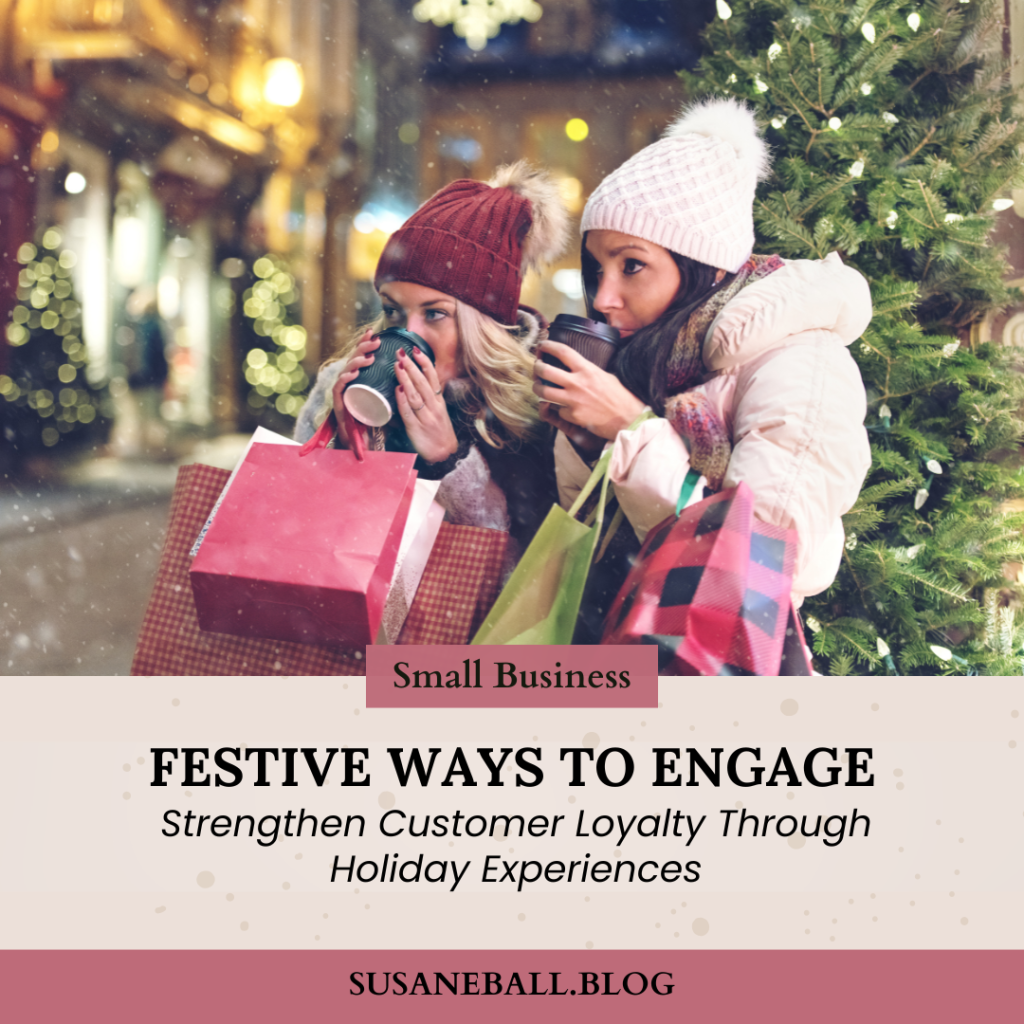
Attracting Last-Minute Holiday Shoppers: Tips for Boosting Sales Before Christmas

Black Friday, Small Business Saturday, and Cyber Monday are behind us for 2024, and by all accounts, it’s been a banner year for sales. But don’t let the post-Black Friday lull fool you—there’s still plenty of shopping to be done!

In fact, it’s estimated that 79% of Christmas spending happens in the two weeks leading up to the holiday, with as much as 35% of the total spending occurring during the final week before Christmas. So now is the time to make sure you’re doing everything you can to attract those last-minute shoppers to your store or website.

Here are a few ideas to help you drive traffic and boost sales in the final stretch of the holiday season:

1. Create Eye-Catching Displays (Online & In-Store)

A standout window display or striking website image can work wonders in grabbing attention. For example, a local dress store caught a lot of eyes by placing a dress on a skeleton with the humorous sign: “Does this dress make me look fat?” Other businesses get creative with holiday-themed windows or festive website banners. Some of our local stores are even famous for their annual holiday window displays, which customers eagerly anticipate all year long. If you can make people smile or spark their curiosity, you’ve already piqued their interest!

2. Promote Products at a Range of Price Points

Make sure your customers know you have gifts for every budget. Create a “Gift Suggestions” list to display both in-store and online. Start with lower-priced items and work your way up to higher-end options. This shows customers that you cater to a wide range of shoppers—whether they’re looking for an affordable stocking stuffer or a luxurious splurge. A thoughtfully curated gift guide can be a great conversation starter and help you drive more sales across different price ranges.

3. Offer Flash Sales to Drive Urgency

Flash sales are a great way to create a sense of urgency. Consider running short-term sales that are exclusive to a few hours of the day, or one-day promotions that offer deep discounts. These kinds of limited-time deals encourage customers to act fast, fearing they’ll miss out if they wait too long.

4. Make Shopping as Easy as Possible

The holiday season can be hectic for your customers. Help them out by offering flexible shopping options. Local shoppers may appreciate the ability to buy online and pick up in-store. If you’re exclusively online, make sure to highlight fast delivery options that guarantee delivery in time for Christmas. For in-store traffic, ensure you have plenty of sales associates ready to assist, and if you offer online support, make sure your customer service is easily accessible to help with last-minute questions.

5. Instill Urgency with Countdown Timers

There’s nothing like a countdown clock to get shoppers moving. Consider adding a countdown timer to your website or even in your store window to show how many days, hours, or minutes are left until Christmas. The ticking clock will create a sense of urgency and remind customers they need to make their purchases before it’s too late.

6. Leverage Social Media to Promote Deals & Share Holiday Cheer

Social media is an invaluable tool for driving holiday sales. Use it to highlight your best deals, share special promotions, and showcase gift ideas. But don’t forget to mix in posts that spread holiday cheer without any sales pitch. Share heartwarming Christmas moments, winter scenes, or behind-the-scenes glimpses of your holiday preparations. These posts create emotional connections with your audience, making your brand feel more relatable and memorable.

Final Thoughts

The holidays can be a stressful time for shoppers, and the easier you can make their experience, the more likely they are to spend money with you and return to your business in the future. So take a deep breath, get creative, and make sure your business stands out in these final days before Christmas!

Wishing you a successful and joyful holiday season.

“Glory to God in the highest, and on earth peace, goodwill toward men!” — Luke 2:14

Small Business Saturday: How Supporting Local Shops Makes a Big Difference

As we celebrate Thanksgiving, let’s take a moment to appreciate the heart of our communities—small businesses. On Small Business Saturday, and throughout the holiday season, it’s important to recognize the significant role small businesses play in shaping our local economies and supporting community growth.

Small Businesses: The Backbone of the Economy

With over 34.8 million small businesses in the U.S. employing nearly 59 million people, small businesses make up 99.9% of all businesses and account for almost 46% of all jobs. While many small businesses are owned and operated by just one or two people, their economic impact cannot be overstated. Some of today’s small businesses will grow into large employers in the future, further strengthening the economy.

How Small Businesses Strengthen Local Communities

Small businesses are not just job creators; they are vital to the social and economic fabric of their communities. Here’s how:

  • Money stays in the local economy: When you spend money at a small business, it stays within your community. The business owner and employees spend that money locally, creating a ripple effect of local job creation and economic activity.
  • Ability to meet the unique needs of their community: Small business owners have the flexibility to pivot quickly and meet the specific needs of their customers. Without the need for top-down approval, they can respond swiftly to new opportunities, ensuring their businesses are relevant and adaptable.
  • Creates a community identity: Many small businesses have been a cornerstone of their communities for decades. For example, one of the best-known small businesses in our area is about to celebrate its 100th anniversary! These businesses become synonymous with local identity, embodying the history and culture of the area.
  • Involvement in local civic life: Small business owners often participate in community organizations like the Chamber of Commerce, Rotary clubs, and local initiatives. This active involvement helps address local challenges while creating a sense of shared purpose in the community.
  • Innovation and supporting other small businesses: A local restaurant might source ingredients from nearby farms, or a boutique could sell locally made products. Small businesses frequently collaborate with each other, creating unique shopping experiences and boosting one another’s success.

Show Your Appreciation on Small Business Saturday

As we reflect on the many blessings we have this Thanksgiving, I encourage you to show your gratitude by supporting small businesses this holiday season, especially on Small Business Saturday. Visit local shops, dine at locally owned restaurants, and think about allocating some of your Christmas shopping budget to support your favorite small businesses. When you shop local, you’re investing directly in the future of your community.

If you’ve heard about any small business owners giving back to the community or supporting charitable causes, take a moment to recognize their contributions. A simple “thank you” can go a long way.

A Special Note to Small Business Owners

If you’re a small business owner, remember to be grateful for your customers—they don’t have to shop with you, they choose to. Showing appreciation can take many forms, from offering special perks like gift wrapping or loyalty programs, to simply offering a friendly smile or a kind word. It’s a great time to strengthen the relationship with your customers and show them you value their support.

The Power of Kind Words

In this busy season, both customers and business owners can benefit from a kind word of thanks. After all, as the old saying goes: “Kind words are like honey—sweet to the soul and healthy for the body.” (Proverbs 16:24)

Happy Thanksgiving and Happy Small Business Saturday!

May you experience joy and blessings this season, and may your small business continue to thrive in the coming year!

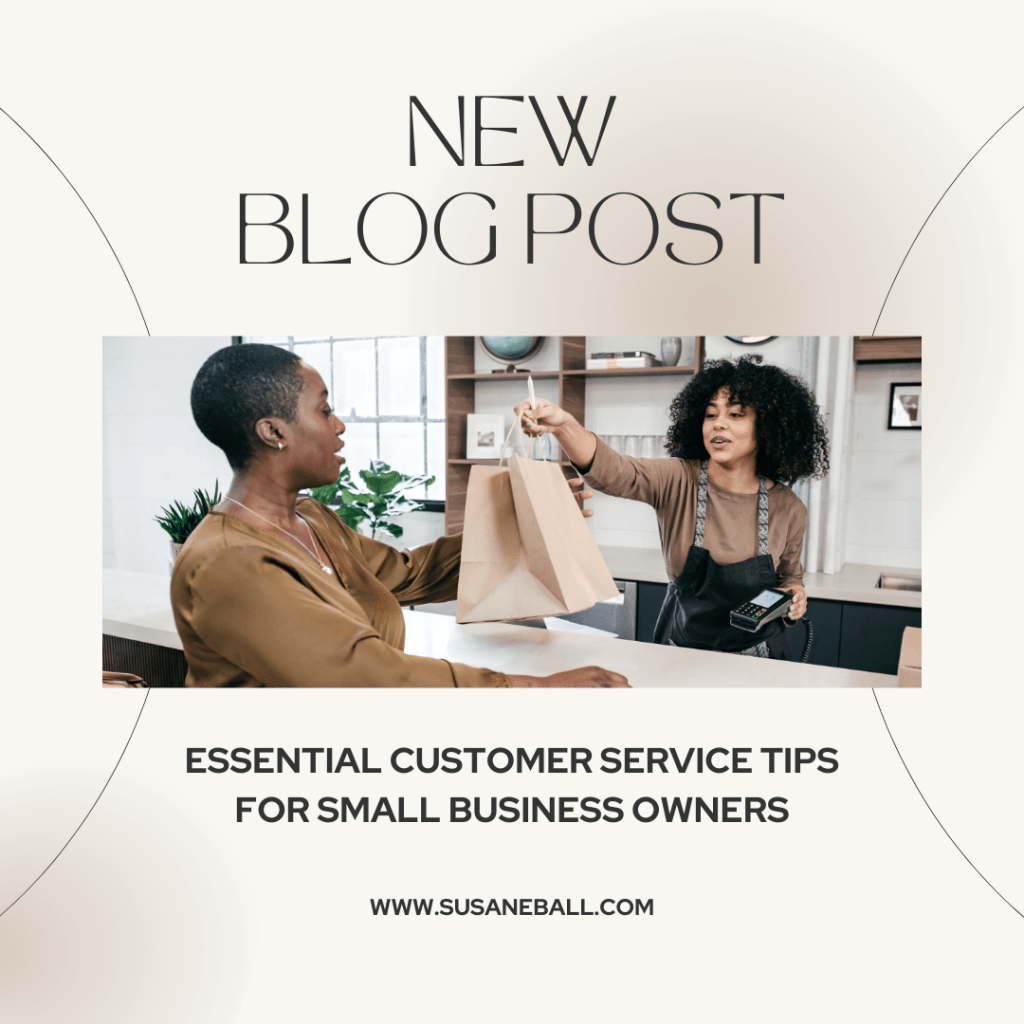
Customer Service Strategies Every Small Business Owner Should Know

“It’s my pleasure.” When I hear this phrase, I immediately think of Chick-fil-A. This simple, polite response is just one of the many ways the company creates an exceptional customer experience. By focusing on customer service, Chick-fil-A has become the number one fast-food restaurant in America. On average, a Chick-fil-A location generates 50% more revenue than a McDonald’s, despite being closed on Sundays.

As a small business owner, delivering a great customer experience should be at the heart of your strategy. A positive experience not only encourages repeat visits but also drives sales and increases profitability. Whether you’re just starting your business or looking to grow, it’s essential to create a customer-centric environment. The key to success lies in setting clear customer service policies, training your staff, and making sure everyone is on the same page. While customer service may look different depending on your industry, certain principles apply across the board.

1. Be Polite and Show Respect

Politeness and respect should be at the core of your interactions with customers. The way you address your clients—whether formally (e.g., Mr. Smith or Mrs. Jones) or informally—sets the tone for your business. Timely responses to emails and phone calls are also a sign of respect. It’s also vital to train your employees to handle complaints professionally by listening actively and taking steps to resolve issues quickly.

2. Timeliness Matters

Time is valuable to your customers, and respecting that time can set you apart. If you’re in a service-based business or doing contract work, meeting deadlines is crucial. If you operate a retail store or restaurant, greeting customers promptly and serving their orders as soon as they’re ready shows that you value their time and business.

3. Give Your Full Attention

When interacting with customers, it’s important to be fully present. This means putting away distractions like cell phones and focusing on their needs. In a busy environment, consider systems like queues or numbered tickets to ensure that no customer is left waiting too long and that service remains consistent.

4. Apologize for Mistakes and Make It Right

No business is perfect, and occasionally you will make mistakes. When this happens, apologize sincerely and avoid making excuses. A genuine apology can go a long way, but in some cases, you may need to offer a refund, replacement product, or discount to make up for the mistake. Empower your team to handle customer issues effectively, ensuring that the solution is fair and quick.

5. Respect Your CustomersTimelines and Budgets

This is especially important in contract or service-based businesses. If a client needs a job done by a certain deadline, don’t take on the job if you can’t meet it. Similarly, if a client has a strict budget, be transparent about costs upfront and do your best to stay within their limits. Trust is built when customers know you’ll respect both their time and money.

6. Establish a Dress Code

Your customer service policies should include clear guidelines for employee appearance. Whether you require uniforms, name tags, or business attire, make sure your team looks professional and approachable. A dress code that aligns with your industry standards shows customers that you take your business seriously and care about their experience.

7. Create a Welcoming Environment

First impressions matter. How customers feel when they enter your business can set the tone for their entire experience. Some businesses greet customers immediately upon entry, while others offer complimentary refreshments like coffee, bottled water, or mints. Small touches—like comfortable seating or soft background music—can make a big difference. Think about how you can enhance the atmosphere to make your customers feel welcome and valued.

8. Meet or Exceed Customer Expectations

The ultimate goal of customer service is to exceed expectations. When customers experience something better than they anticipated—whether it’s a friendly interaction, faster service, or a surprise bonus—they’ll be more likely to return. Continuously seek feedback from your customers and look for ways to improve.

Conclusion

The customer experience you offer is one of the most powerful tools you have for growing your business. By focusing on politeness, timeliness, respect, and attention to detail, you can create an environment where your customers feel valued and appreciated. Remember, small touches can leave a big impression. When your customers feel good about their experience, they’ll keep coming back—and they’ll bring others with them.

Need help creating a customer service strategy that works for your business? Whether you’re just starting out or looking to refine your existing approach, I’m here to guide you. Reach out today for a personalized consultation and let’s build a customer experience that will keep your clients coming back for more!