
Small Business Saturday: How Supporting Local Shops Makes a Big Difference

As we celebrate Thanksgiving, let’s take a moment to appreciate the heart of our communities—small businesses. On Small Business Saturday, and throughout the holiday season, it’s important to recognize the significant role small businesses play in shaping our local economies and supporting community growth.

Small Businesses: The Backbone of the Economy

With over 34.8 million small businesses in the U.S. employing nearly 59 million people, small businesses make up 99.9% of all businesses and account for almost 46% of all jobs. While many small businesses are owned and operated by just one or two people, their economic impact cannot be overstated. Some of today’s small businesses will grow into large employers in the future, further strengthening the economy.

How Small Businesses Strengthen Local Communities

Small businesses are not just job creators; they are vital to the social and economic fabric of their communities. Here’s how:

  • Money stays in the local economy: When you spend money at a small business, it stays within your community. The business owner and employees spend that money locally, creating a ripple effect of local job creation and economic activity.
  • Ability to meet the unique needs of their community: Small business owners have the flexibility to pivot quickly and meet the specific needs of their customers. Without the need for top-down approval, they can respond swiftly to new opportunities, ensuring their businesses are relevant and adaptable.
  • Creates a community identity: Many small businesses have been a cornerstone of their communities for decades. For example, one of the best-known small businesses in our area is about to celebrate its 100th anniversary! These businesses become synonymous with local identity, embodying the history and culture of the area.
  • Involvement in local civic life: Small business owners often participate in community organizations like the Chamber of Commerce, Rotary clubs, and local initiatives. This active involvement helps address local challenges while creating a sense of shared purpose in the community.
  • Innovation and supporting other small businesses: A local restaurant might source ingredients from nearby farms, or a boutique could sell locally made products. Small businesses frequently collaborate with each other, creating unique shopping experiences and boosting one another’s success.

Show Your Appreciation on Small Business Saturday

As we reflect on the many blessings we have this Thanksgiving, I encourage you to show your gratitude by supporting small businesses this holiday season, especially on Small Business Saturday. Visit local shops, dine at locally owned restaurants, and think about allocating some of your Christmas shopping budget to support your favorite small businesses. When you shop local, you’re investing directly in the future of your community.

If you’ve heard about any small business owners giving back to the community or supporting charitable causes, take a moment to recognize their contributions. A simple “thank you” can go a long way.

A Special Note to Small Business Owners

If you’re a small business owner, remember to be grateful for your customers—they don’t have to shop with you, they choose to. Showing appreciation can take many forms, from offering special perks like gift wrapping or loyalty programs, to simply offering a friendly smile or a kind word. It’s a great time to strengthen the relationship with your customers and show them you value their support.

The Power of Kind Words

In this busy season, both customers and business owners can benefit from a kind word of thanks. After all, as the old saying goes: “Kind words are like honey—sweet to the soul and healthy for the body.” (Proverbs 16:24)

Happy Thanksgiving and Happy Small Business Saturday!

May you experience joy and blessings this season, and may your small business continue to thrive in the coming year!

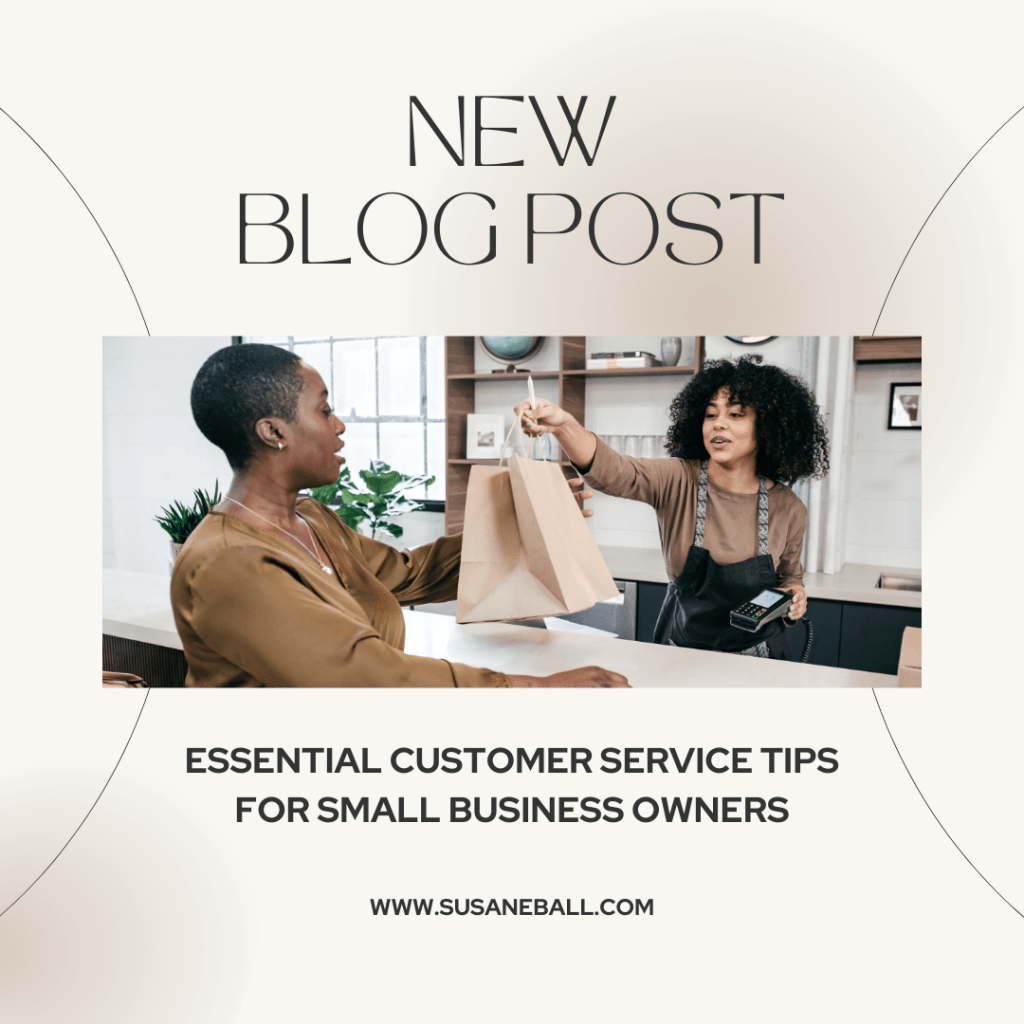
Customer Service Strategies Every Small Business Owner Should Know

“It’s my pleasure.” When I hear this phrase, I immediately think of Chick-fil-A. This simple, polite response is just one of the many ways the company creates an exceptional customer experience. By focusing on customer service, Chick-fil-A has become the number one fast-food restaurant in America. On average, a Chick-fil-A location generates 50% more revenue than a McDonald’s, despite being closed on Sundays.

As a small business owner, delivering a great customer experience should be at the heart of your strategy. A positive experience not only encourages repeat visits but also drives sales and increases profitability. Whether you’re just starting your business or looking to grow, it’s essential to create a customer-centric environment. The key to success lies in setting clear customer service policies, training your staff, and making sure everyone is on the same page. While customer service may look different depending on your industry, certain principles apply across the board.

1. Be Polite and Show Respect

Politeness and respect should be at the core of your interactions with customers. The way you address your clients—whether formally (e.g., Mr. Smith or Mrs. Jones) or informally—sets the tone for your business. Timely responses to emails and phone calls are also a sign of respect. It’s also vital to train your employees to handle complaints professionally by listening actively and taking steps to resolve issues quickly.

2. Timeliness Matters

Time is valuable to your customers, and respecting that time can set you apart. If you’re in a service-based business or doing contract work, meeting deadlines is crucial. If you operate a retail store or restaurant, greeting customers promptly and serving their orders as soon as they’re ready shows that you value their time and business.

3. Give Your Full Attention

When interacting with customers, it’s important to be fully present. This means putting away distractions like cell phones and focusing on their needs. In a busy environment, consider systems like queues or numbered tickets to ensure that no customer is left waiting too long and that service remains consistent.

4. Apologize for Mistakes and Make It Right

No business is perfect, and occasionally you will make mistakes. When this happens, apologize sincerely and avoid making excuses. A genuine apology can go a long way, but in some cases, you may need to offer a refund, replacement product, or discount to make up for the mistake. Empower your team to handle customer issues effectively, ensuring that the solution is fair and quick.

5. Respect Your CustomersTimelines and Budgets

This is especially important in contract or service-based businesses. If a client needs a job done by a certain deadline, don’t take on the job if you can’t meet it. Similarly, if a client has a strict budget, be transparent about costs upfront and do your best to stay within their limits. Trust is built when customers know you’ll respect both their time and money.

6. Establish a Dress Code

Your customer service policies should include clear guidelines for employee appearance. Whether you require uniforms, name tags, or business attire, make sure your team looks professional and approachable. A dress code that aligns with your industry standards shows customers that you take your business seriously and care about their experience.

7. Create a Welcoming Environment

First impressions matter. How customers feel when they enter your business can set the tone for their entire experience. Some businesses greet customers immediately upon entry, while others offer complimentary refreshments like coffee, bottled water, or mints. Small touches—like comfortable seating or soft background music—can make a big difference. Think about how you can enhance the atmosphere to make your customers feel welcome and valued.

8. Meet or Exceed Customer Expectations

The ultimate goal of customer service is to exceed expectations. When customers experience something better than they anticipated—whether it’s a friendly interaction, faster service, or a surprise bonus—they’ll be more likely to return. Continuously seek feedback from your customers and look for ways to improve.

Conclusion

The customer experience you offer is one of the most powerful tools you have for growing your business. By focusing on politeness, timeliness, respect, and attention to detail, you can create an environment where your customers feel valued and appreciated. Remember, small touches can leave a big impression. When your customers feel good about their experience, they’ll keep coming back—and they’ll bring others with them.

Need help creating a customer service strategy that works for your business? Whether you’re just starting out or looking to refine your existing approach, I’m here to guide you. Reach out today for a personalized consultation and let’s build a customer experience that will keep your clients coming back for more!

How to Retain Employees: Effective Strategies for Small Business Owners

Hiring employees is a significant investment for any small business. The hiring process can be time-consuming and costly, and often, the largest expense during onboarding is employee training. During this stage, business owners or supervisors spend a lot of time training new hires, which can initially feel like a drain on resources. But this is temporary.

In a short period, your new employee will become comfortable with their responsibilities and will start contributing to the growth of your business. However, the real challenge begins when an employee leaves shortly after being trained. That’s why employee retention should be a priority for your business.

Retaining employees not only saves you time and money, but it also helps to build a more experienced and cohesive team. In this post, we’ll explore several employee retention strategies that will help you create a workplace environment where employees feel valued and motivated to stay long-term.

1. Offer Competitive Compensation

It’s no secret that compensation plays a critical role in employee satisfaction. If your employees feel they are being fairly compensated for the work they do, they’re less likely to seek employment elsewhere. Research what constitutes a fair wage for the roles in your industry and location, and offer salaries that reflect this.

2. Create a Supportive Work Environment

Employees who feel respected and valued are more likely to stay with your company. A supportive work environment encourages open communication, respect, and collaboration. Allow your employees to make mistakes as they learn, actively listen to their feedback, and encourage them to take on new challenges. When your team feels supported, they’ll be more loyal and motivated to grow with your business.

3. Provide Adequate Training and Development

One of the most important factors in employee retention is ensuring that new hires are properly trained. A lack of training can lead to confusion, frustration, and burnout. By creating a clear training plan and offering ongoing learning opportunities, you’ll set your employees up for success. In addition, showing an interest in their professional development helps employees feel valued and invested in their roles.

4. Offer Flexible Work Arrangements

Flexibility can be a key factor in employee satisfaction and retention, especially for employees with changing family dynamics or personal commitments. Depending on your business structure, offering remote work options or flexible hours can make a big difference. By being adaptable to your employees’ needs, you can increase job satisfaction and keep talented workers on your team for longer.

5. Tailor Benefits to Your EmployeesNeeds

One-size-fits-all benefits packages often fall short of meeting employees’ expectations. Some employees may prioritize health insurance, while others might prefer additional paid time off. As a small business, you might not be able to offer every benefit under the sun, but you can still provide value in creative ways. For example, consider offering paid days off for special occasions like birthdays or holidays, perks like snacks or coffee, or discounts on your products or services.

6. Understand What Motivates Your Employees

To keep your team engaged and motivated, it’s crucial to understand what drives each individual. Some employees are motivated by financial rewards, while others appreciate recognition or opportunities for growth. Common employee incentives include:

  • Cash bonuses
  • Gift certificates for services like meals or massages
  • Extra paid time off
  • Recognition programs, such as Employee of the Month
  • Professional development opportunities, like attending conferences

By aligning your rewards with your employees’ preferences, you can increase motivation and employee retention.

Conclusion: The Key to Long-Term Success

Retaining employees is one of the most important aspects of building a strong, successful small business. By offering competitive compensation, creating a supportive environment, providing adequate training, offering flexible work options, and tailoring benefits to individual needs, you can create a workplace where employees feel valued and eager to stay for the long term.

Remember: Employee retention isn’t just about paying well—it’s about creating a positive workplace culture where employees feel respected, supported, and motivated to grow alongside your business.

Hiring Your First Employee

Many business owners start as solopreneurs. They establish their business entity and dive in, wearing multiple hats. Whether you’re a craftsman, accountant, artist, marketer, tech consultant, or attorney, the journey often begins alone. But as your business flourishes, you may find yourself overwhelmed with more work than you can handle. At this crossroads, you’ll need to decide whether to (1) turn away business, (2) outsource some tasks, or (3) hire your first employee.

Hiring your first employee can feel daunting. Finding the right person is just one challenge; ensuring you comply with legal requirements adds another layer of complexity. If you decide to take the leap, here are some essential guidelines to follow:

  1. Define the Tasks: Identify what tasks you’re willing to delegate. It can be tough to hand over responsibilities you’ve managed yourself, but trust is key. If you can’t trust someone to take on specific work, hiring might not be the best option.
  2. Create a Job Description: Detail the tasks the employee will be responsible for, and outline the necessary skills, experience, and training required. A clear job description will help attract the right candidates.
  3. Research Wages and Benefits: Look into typical wages for the role you’re hiring for, and consider what benefits you can realistically offer. While health insurance and retirement contributions are valuable, don’t forget that flexibility—like remote work options—can also be a strong draw for potential employees.
  4. Tap into Your Network: Let your professional circle know you’re hiring. A recommendation from someone you trust can ease the stress of your first hire and may even lead you to the perfect candidate without needing to advertise.
  5. Develop a Job Application: Ensure your application focuses on the necessary skills and adheres to employment regulations. Avoid questions about age; you can simply ask if candidates are over 18. If driving is part of the job, inquire about a valid driver’s license, but keep other unrelated questions out.
  6. Advertise the Position: Choose advertising platforms that will reach your target audience. Consider local newspapers, LinkedIn, and job portals like Indeed and Snagajob to maximize your visibility.
  7. Craft Interview Questions: Focus on skills relevant to the job. Standardize your questions for each interviewee but allow for follow-ups based on their responses to delve deeper.
  8. Evaluate Applications: Review applications carefully to find candidates that meet your criteria. If someone isn’t eligible, don’t waste time moving forward with their application.
  9. Schedule Interviews: Select candidates to interview. Remember, there’s no obligation to interview multiple people if a referral impresses you. Trust your instincts!
  10. Make Your Selection: After interviews, it’s time to choose. Depending on the position, you may need to extend a conditional offer and conduct a background check before finalizing your decision.
  11. Onboarding Essentials: On your new employee’s first day, they will need to complete a W-4 and I-9 Employee Verification form. Be sure they provide documentation confirming their legal eligibility to work in the U.S. You might also need a state tax withholding form depending on your location.
  12. Set Up Payroll: Implement a payroll process, which can be managed through online payroll features of your accounting software or by hiring an experienced bookkeeper or payroll service.

Hiring your first employee is a significant milestone. Initially, training may feel overwhelming, and it might seem like you have more work than before. However, remember that this phase is temporary. Soon enough, your new hire will begin to take on responsibilities independently, allowing you to focus on growing your business without bearing the entire workload alone. If you make a thoughtful hiring choice, you’ll find that this step can be a game-changer for your success.

As you embark on the journey of hiring your first employee, remember that every business is unique, and challenges can vary widely. If you find yourself pondering specific aspects of this process or if any questions arise along the way, there are plenty of resources available to help you navigate this important step. Engaging in discussions with others in the community can also provide valuable insights and experiences.

You’re not alone in this journey, and connecting with those who share similar experiences can lead to great ideas and solutions.

Income Comparison: Employee vs. Self-Employment

Many people think about starting their own business because they feel their current employer is making too much off their work. It’s a common thought, but it’s important to understand that the true cost of employing someone goes beyond just their salary.

Here’s the reality: your employer’s costs include Medicare and Social Security contributions, benefits, and other operational overhead. In fact, the direct costs of having an employee can be up to 47% more than their salary. This figure can vary based on things like family health insurance coverage and the benefits the employee uses. Plus, there are indirect costs like office space, furniture, equipment, and supplies.

Before you decide to leave your job and start your own business, it’s crucial to calculate your true cost to your employer. This way, you can avoid underpricing your services and working more for less. Let’s go through an example to see how this works:

Assumptions:

  • Your current annual salary is $62,000, which breaks down to about $29.81 per hour (based on the average US salary of $59,384 and an hourly wage of $29.81 at the end of 2023).
  • You receive 15 paid vacation days, 8 sick days, 4 personal days, and 8 paid holidays.
  • Your employer contributes $395 per month towards Social Security and Medicare, $800 per month towards health insurance, and $230 per month towards your retirement account.

Here’s how to calculate your true cost to your employer:

  1. Days Worked Per Year: If you work 52 weeks a year, minus your time off (15 vacation days + 8 sick days + 4 personal days + 8 holidays), you end up working 225 days.
  2. Direct Costs of Employing You: Combine your salary with your employer’s contributions: $62,000 + (($395 + $800 + $230) * 12) = $62,000 + $17,100 = $77,100.
  3. Average Cost Per Day Worked: $77,100 divided by 225 days = $342.67.
  4. Average Cost Per Hour Worked: $342.67 divided by 8 hours a day = $42.84.

To match your current net income of $29.81 per hour, you’d need to charge at least $42.84 per hour if you were self-employed. That’s a 44% increase over your current rate.

But remember, your employer has to cover additional costs beyond just your salary. They need to account for:

  • Office space rent
  • Support staff (like receptionists or HR)
  • Office equipment and maintenance
  • Office supplies
  • Business insurance, worker’s compensation, and unemployment insurance
  • Utilities
  • Communication expenses
  • Subscriptions
  • Business license and registration
  • Automobile expenses
  • Professional development

These overhead costs can vary depending on your industry and whether you’re working from home or renting office space. On average, overhead can range from $12,000 to $18,000 per employee per year. For simplicity, we’ll use $15,000.

Adding this to your direct costs: $77,100 (direct costs) + $15,000 (indirect costs) = $92,100. This breaks down to about $51.17 per hour.

When you’re self-employed, you only get paid for the hours you actually work, and you don’t get paid time off. You also have to handle all the administrative work yourself. So, to cover all these costs and still make a profit, you need to set your rates significantly higher than you did as an employee.

By running these numbers, you’ll get a clearer picture of the true cost of self-employment versus being an employee. It helps you understand what you need to charge to cover your expenses and make a profit if you decide to go solo.

If you have any questions or need further clarification on this topic, feel free to drop them in the comments below. I’d be happy to help out!

Evaluating Your Business Idea: Can You Make a Profit?

So, you’ve got an idea for a new business—exciting times ahead! But before you jump in with both feet, it’s crucial to make sure your venture has the potential to be profitable. This guide will walk you through the essential steps to evaluate if your business idea is financially viable.

1. Understand the Market Need

First things first: what problem does your product or service solve? Research is key here:

  • Research Your Industry: Is the industry expanding or contracting? What are the future expectations and current trends? Also, consider any external factors that might impact the industry, such as economic shifts or technological advancements.
    • Identify Your Target Demographics: Who are your potential customers? Are they consumers, businesses, or government entities?
      • For Consumers: Define by age, gender, income level, interests, and geography.
        • For Businesses: Determine if you’re targeting wholesale, retail, service, or manufacturing sectors. Will your product or service cater to a specific industry or have broad appeal?

2. Estimate Your Startup Costs

Launching a business involves several initial expenses. Depending on your industry, these might include:

  • Equipment
  • Leasehold improvements
  • Furnishings
  • Initial inventory
  • Lease and utility deposits
  • Licensing and registration fees
  • Legal and professional fees
  • Website development and marketing
  • Insurance deposits
  • Accounting and CRM systems

3. Assess Your Financial Resources

  • Investment: How much of your own money can you invest in the business?
  • Borrowing Needs: How much additional capital will you need from loans or investors?

4. Forecast Your Financials

  • Cash Flow: Prepare forecasts to determine how long it will take to break even. Lenders usually expect 24 months of cash flow projections.
  • Adjust for Seasonality: Factor in any seasonal fluctuations in sales.
  • Growth Projections: Estimate how your revenues, expenses, loan payments, and owner’s draw will evolve as your business grows.

5. Evaluate Additional Considerations

Even if your numbers look good, there are other factors to consider:

  • Financing: Can you secure the necessary funds?
  • Lifestyle Fit: Will the business align with your family and personal life?
  • Location: Is the location suitable for your business operations?

If your market research and financial projections suggest that your idea is profitable, you’re off to a great start! For more tips on raising financing, choosing the right location, and other key considerations, check out the other posts on my blog.

Ready to dive deeper? Sign up for my blog for more insights and guidance on making your small business a success. Let’s turn that brilliant idea into a thriving venture!

How Much Revenue Can My Business Generate?

Estimating your revenue is one of the trickiest parts of starting a business. You might have a target revenue in mind or a clear idea of how much you need to earn to make your business profitable, but forecasting those numbers can be confusing. I often work with small business owners who struggle with this, and I’m here to guide you through a simple process to make it easier.

Here are 2 steps on how you can get a handle on your revenue projections:

Step 1: Use Industry Averages

1. Research Industry Data: Start by looking into industry data. You can find out the total revenue generated annually for your industry and how many businesses are in it across the U.S. By dividing the total revenue by the number of businesses, you get an “average revenue per business.” Just keep in mind that if your industry has a few big players, this average might be higher than what you can realistically expect. Also, remember this is a national average, so it might not reflect your local market accurately.

2. Check Regional Market Data: Next, dig into local data. Your state or region might have specific sales volume information for businesses similar to yours. Local libraries or business directories can be great resources for this. You might find revenue statistics for businesses in your industry and state based on their size, which can help you gauge what to expect.

3. Reasonableness Test: Compare your numbers to these averages. If the average business in your industry makes $850,000 a year, but you’re projecting $1.2 million in your first year, you might be aiming too high. Conversely, if you’re forecasting $500,000, it’s likely a more realistic target.

Step 2: Project Based on Customer Spending

1. Estimate Customer Traffic: Start by figuring out how many customers you expect to attract. Think about how many people will visit your store, hire your services, or use your products daily, weekly, or monthly. Your revenue will depend on these numbers.

2. Calculate Average Spend: Next, estimate how much an average customer will spend. For a restaurant, you can predict average spend per meal including drinks and extras. For a retail shop or consulting service, calculate the average sale or service fee. This step is crucial for understanding your revenue potential.

3. Multiply to Estimate Revenue: Multiply the number of expected customers by the average amount they will spend. This gives you a basic forecast of your potential sales.

4. Reasonableness Test: Finally, check if your revenue estimate is achievable. Ask yourself if you can actually meet the demands required to generate the sales you forecasted. If you’re a consultant working alone, your revenue will be limited by your available hours. For a manufacturer, your production capacity will set a limit. For a restaurant, consider your seating capacity and how long customers stay.

Final Tips

If you’re applying for a bank loan, you’ll need to justify your revenue projections. Use both methods to create a detailed forecast and include this in your business plan. Lenders want to see that you can generate enough revenue to cover expenses and make loan payments.

Even if you’re self-financing, estimating your revenue is still crucial. It helps you understand how much you need to make your business worthwhile.

Don’t forget to utilize local resources like your library or the Small Business Development Center (SBDC) for additional data. For more insights on starting or growing your business, check out my other blog posts.

If you have any questions about forecasting your revenues or need help with your projections, drop a comment below! I’m here to help and would love to hear from you.

Bootstrap Your Way to Success: How to Launch a Business with Minimal Investment

There’s a popular saying that goes, “It takes money to make money.” While this holds true to some extent, starting a business doesn’t necessarily require a fortune. Many aspiring business owners believe they need to borrow 100% of their startup costs, which is often unrealistic. To launch a successful business, having some of your own funds is crucial. If you’re looking to start a business but have limited capital, consider bootstrapping.

Bootstrapping means starting a business with minimal financial resources. Here’s how to make it work.

Keys to Bootstrapping Your Business

  1. Start Small. Depending on your business idea, you might be able to operate from home or start an online business. Alternatively, consider launching your venture as a side job while maintaining your current employment.
  • Choose an Appropriate Business Model. Opt for a business model that requires a low initial investment and can start generating revenue quickly. Reinvest your earnings back into the business to fuel growth.
  • Leverage Home Equity. If you own a home, you may have built up equity that can be used for your startup. Home equity loans typically have lower interest rates and quicker access compared to traditional business loans.
  • Utilize Credit Cards. Although credit card interest rates are high, they can be a viable option if you anticipate a high return on investment. Use credit cards strategically to fund your business.
  • Seek Investments from Friends and Family. You can ask friends and family to invest in or loan money to your business. Be cautious about giving away too much equity. If borrowing, formalize the loan with a written agreement and file it as a business lien to prevent misunderstandings.

Successful Bootstrapped Businesses

Many renowned companies started with minimal funds. Examples include Amazon, Facebook, MailChimp, Shopify, and Shutterstock. These success stories prove that with creativity and determination, bootstrapping can lead to significant achievements.

Low-Cost Business Ideas to Consider

If you’re ready to start a business with limited resources, consider these low-cost options:

  • Online Consulting or Coaching
  • Lawn Care
  • Pet Walking or Sitting
  • Logo Design
  • Website Creation
  • Housecleaning
  • Bookkeeping
  • Social Media Marketing
  • Virtual Assistant Services
  • Photography
  • Tutoring
  • Delivery Services
  • Personal Training
  • Auto Detailing
  • In-Home Caregiving

Important Considerations

Before starting your business, ensure you comply with local and state regulations, including licensing, registration, insurance, payroll, and sales tax collection. Your local Small Business Development Center, economic development office, or Chamber of Commerce can provide valuable information and guidance.

Call to Action: Ready to start your own business? Whether you’re bootstrapping or exploring other funding options, remember that careful planning and resourcefulness can pave the way to success. Check out the other posts in my small business series for more tips and insights. If you have any questions or need further advice, feel free to ask in the comment section below. I’m here to help you turn your business ideas into reality!

Checklist for Starting Your Business

Starting a small business can be both exciting and overwhelming. To help guide you through the process, I’ve created a comprehensive checklist covering key steps you need to take before launching your venture.

Before you start your business:

  1. Define Your Business Concept.
    a. What products or services will you offer?
    b. What business name will you use?
  2. Evaluate Your Business Potential.
    a. Estimate monthly revenues
    b. Estimate monthly expenses
    c. Determine if your business can operate profitably based on revenues and expenses.
  3. Develop Your Business Plan. This may involve writing a formal business plan, or it may involve creating informal lists. Your plan should include:
    a. Mission, Vision, and Values
    b. Target Customers
    c. Marketing Ideas
    d. Operational Plan
    e. Job Descriptions
    f. Pricing Structure
    g. Customer Policies
    h. Competition Analysis
  4. Choose Your Business Location
    a. Will your business be home-based or in a commercial space?
    i. If commercial, how much space do you need?
    ii. Will you lease space or purchase a space?
    iii. Identify the desired space and sign an intent-to-lease agreement. Please make sure you secure ALL necessary financing before signing the lease agreement.
  5. Estimate your start-up costs.
    a. Consider the following expenses:
    i. Equipment, furnishings, and fixtures
    ii. Lease space build-out
    iii. Lease and utility deposits
    iv. Inventory
    v. Insurance deposit
    vi. Website and marketing
    vii. Legal and professional fees
  6. Determine your financing needs,
    a. Total start-up costs minus your personal investment in the business. Then, you should plan to inject 20% or more of that amount into the business.
    b. Arrange for your financing needs from investors or lenders.
    i. Investors will typically receive some ownership in the business.
    ii. Start-up loans require monthly debt repayment, typically for 3 – 7 years, at a rate of interest a few points higher than the prime interest rate.
    Licensing and Registration Requirements:
  7. Register your business with your state’s corporation commission.
    a. Registering your business gives you exclusive rights to use your business name in the state.
    b. Business registration is required for the state in which you will operate.
    c. Some business owners register their business in state’s with no state income tax. However, this is generally not a wise idea, as you will still have to register in the state where you operate the business.
    d. Remember that you must pay income tax in the state where the income is earned.
  8. Obtain a tax iID number for your business through the IRS portal.
  9. File an initial beneficial ownership information report with the U.S. Treasury’s Financial Crimes Enforcement Network at fincen.gov/boi
  10. Write an operating agreement for your business. This establishes ownership.
  11. Open a business bank account. It is essential to keep business income separate from personal income.
  12. Complete local requirements for your community, including obtaining a business license and zoning permit.
  13. If you will sell retail products, you must register with your state’s Department of Taxation to collect and remit retail sales taxes.
    a. Creating a sales tax account obligates the owner to file regular sales tax reports.
    b. A sales tax account will allow the owner to purchase items for resale tax-free and, likely, at wholesale prices.
    c. If you sell exclusively online through a Marketplace Facilitator, such as Etsy or Amazon, they will collect and remit the sales tax for you. You may still need to create an account in order to make wholesale purchases.

Conclusion

Starting a small business is a significant but rewarding journey, and having a clear, organized plan is essential for success. Use this checklist as a practical tool to guide you through each crucial step of the process, from defining your business concept to meeting licensing requirements. By following this checklist, you can ensure that you cover all your bases and set yourself up for a successful launch.

Please print out this checklist and keep it handy as you embark on your business journey. It will be a valuable reference to help you stay on track and manage your tasks effectively.

Get in Touch!

Do you have questions or need further clarification on any of the steps? I’d love to hear from you! Feel free to leave your questions or comments below. Whether you’re looking for more detailed advice or just need some encouragement, I’m here to support you in your small business venture. Don’t hesitate to reach out—your path to success is just a conversation away!

Safeguarding Your Business: Key Insurance Needs for Small Business Owners

As a prospective small business owner, navigating the complexities of business insurance can be daunting. Understanding the types and coverage amounts required is crucial for protecting your investment.

My clients typically come with many questions about the types of insurance coverages and the amount they need to spend so I have a Golden Rule about business insurance that you can read at the end. However, here’s a guide to the most common types of business insurance to get you started.

1. Business Property Insurance: Business Property Insurance covers damage to your business assets, including equipment, furnishings, inventory, and vehicles. The loss could result from a fire, natural disaster, theft, or vandalism.

2. General Liability Insurance: General Liability Insurance covers injury to your customers while on your premises or from your products and services. Almost all businesses need this insurance, and it is required in many contracts. Most federal and state procurement contracts specify $1 million coverage as the minimum.

3. Professional Liability Insurance: Professional Liability Insurance covers mistakes made by the company. This type of insurance is essential for industries where errors can have significant consequences, such as medical malpractice (medical professional liability insurance) or errors and omissions insurance for consultants and advisors.

4. Business Interruption Insurance: Business Interruption Insurance provides compensation for lost income if your business operations are halted due to unforeseen events, such as equipment failure or natural disaster. You can read my personal story below regarding equipment failure. This coverage becomes invaluable when unexpected disruptions force your business to close temporarily, impacting revenue streams and potentially affecting your ability to pay expenses and employees. In my community small businesses benefited from this insurance due to a roof collapse in one case and then another case when an ice storm forced retail shops to close on the last Saturday before Christmas.

5. Workers’ Compensation Insurance: Workers’ Compensation Insurance pays for injuries to your employees while they are at work. In many states, including Virginia, it is required for businesses with three or more employees. However, even for businesses with fewer employees, having this insurance can protect you from potential liabilities arising from workplace injuries.

6. Key Person Insurance: Key Person Insurance is life insurance on the owners or key employees in a business. This is often a term life insurance policy and is typically required by lenders to ensure business debts can be repaid after the death of a key individual. It also provides financial stability during the transition period following the loss of a key person.

The Importance of Insurance: A Personal Story

I often illustrate the necessity of business insurance with a personal experience. Shortly after opening our restaurant, disaster struck. Overnight, our refrigerated prep table malfunctioned, causing our stored food to spoil. With repairs not scheduled until the following day, we faced a tough decision: close our doors or risk food safety and customer satisfaction.

We opted to close for two days, posted a notice on the door, and began disposing of the spoiled food. Remarkably, within 20 minutes of our decision, our insurance agent appeared at our doorstep. Operating in a small town had its advantages; news traveled fast. He promptly assessed the situation, advising us to document our food loss and projected revenue loss.

Thanks to our proactive insurance planning, we were covered for both the spoiled inventory and lost revenue under our business property and business interruption policies. This enabled us to compensate our employees for their missed hours, despite not being legally obligated to do so. For many of them, living paycheck-to-paycheck, this gesture alleviated significant financial strain.

Golden Rule: Consult with an Insurance Professional

My advice to small business owners is straightforward: Seek guidance from an insurance expert. They provide tailored recommendations based on your business needs, ensuring you are adequately protected without overpaying for unnecessary coverage.

Conclusion

Whether you’re launching a startup or expanding an existing venture, safeguarding your business with comprehensive insurance coverage is non-negotiable. Start your journey by consulting a trusted insurance advisor to secure peace of mind and protect your hard-earned assets.