A Business Owner’s Guide to Spreading A Season of Generosity

For many of us, December is a season marked by giving. We paused last month to celebrate Thanksgiving and reflect on our many blessings, and now we turn our attention to preparing for Christmas or Hanukkah—holidays that both celebrate God’s goodness to His people.

For those who follow Christ, Christmas is far more than a season of shopping and gift exchanges. It is a time to reflect the love of Christ through intentional acts of generosity. God demonstrated His love through the greatest gift ever given: His Son, sent to live a sinless life and die on the cross to redeem mankind. The journey to the cross began at the manger.

Whether you are a business owner, an employee, or a retiree, you have countless opportunities to show generosity this season and share the love of Christ with those around you. Let these words guide you: “It is more blessed to give than to receive.” Acts 20:35

Demonstrating Generosity as a Business Owner

If you own a small business, the holiday season provides unique opportunities to bless your customers, employees, and community. Consider these ideas:

  • Support local organizations.
    Donate funds to groups providing meals, warm clothing, or Christmas gifts for families in need. Let your customers know that their support helped make these contributions possible.
  • Participate in an Adopt-a-Family program.
    Sponsor one or more families as a business, inviting your staff and customers to join in meeting specific needs. You can also adopt a military family through organizations like Soldiers’ Angels.
  • Go the extra mile in customer care.
    Offer cookies and hot cider, provide complimentary gift wrapping, or surprise customers with small tokens of appreciation like ornaments or holiday treats. A cheerful greeting and an extra measure of kindness can make a lasting impact.
  • Offer paid volunteer time.
    Give employees a few hours of paid time off to serve at local holiday programs or nonprofit organizations.
  • Bless your team.
    Show gratitude through thoughtful gifts or year-end bonuses to acknowledge their hard work throughout the year.

Demonstrating Generosity as a Community Member

Regardless of income level, everyone can show generosity during the holidays.

  • Make charitable donations.
    Even small contributions to local nonprofits and faith-based organizations make a meaningful impact.
  • Volunteer your time.
    Many groups need help serving meals, wrapping Christmas gifts, hosting events at shelters, and more.
  • Buy gifts for children in need.
    Programs like Toys for Tots and Angel Tree rely on community generosity—collection periods are ending soon, so take action quickly.
  • Visit the elderly.
    Stop by nursing homes, assisted living centers, or the homes of elderly neighbors. Bring carolers, small gifts, or simply warm conversation. Your presence might be the highlight of their season.

Where You Can Still Give This Season

Many organizations are still accepting gifts, donations, and support:

  • The Salvation Army Angel Tree – Adopt a child in need or donate to the Red Kettle campaign through Christmas Eve.
  • Samaritans Purse – Build an online shoebox or donate through their gift catalog to support clean water projects, meals for children, or small-business assistance for families.
  • Toys for Tots – New, unwrapped toys are being collected through mid-December, depending on location.
  • Prison Fellowship Angel Tree Christmas – Donate to provide gifts for children with an incarcerated parent.
  • Feeding America or your local food bank – Help ensure families have food this holiday season. These organizations appreciate support year-round.
  • Christmas Spirit Foundation – Donate to provide Christmas trees for military families separated from deployed loved ones.

A Final Encouragement

This Christmas season, keep Christ at the center of your celebrations and be His hands extended to a hurting world. As you share His love and blessings with others, you demonstrate what it means to follow Him.

“A new command I give you: Love one another. As I have loved you, so you must love one another. By this everyone will know that you are my disciples, if you love one another.” John 13:34–35

Practicing Daily Gratitude: A Thanksgiving Reflection

“Give thanks in all circumstances; for this is God’s will for you in Christ Jesus.” — 1 Thessalonians 5:18

This week, Americans will celebrate Thanksgiving. Many of us will pause to thank God for the countless blessings He has given us. We will also express appreciation to family members, friends, coworkers, employees, and those who provide services to us.

But gratitude is not meant to be seasonal. It is a posture of the heart—one we can cultivate daily until it becomes a natural way of living. Below are practical ways to nurture a grateful spirit and express thanksgiving throughout the year.

Be Conscious of Your Blessings

Begin each morning by thanking God for another day and the blessings He’s entrusted to you—your family, your home, your job or business, and the ability to provide for your loved ones.

Consider keeping a gratitude journal. Each evening, take a few minutes to write down 3–5 things you are thankful for. These can be small moments of kindness—a compliment, an unexpected check in the mail, or a thoughtful gesture that brightened your day.

Pay attention to the beauty around you. Scripture reminds us, The heavens declare the glory of God; the skies proclaim the work of His hands.” (Psalm 19:1)

Place Scripture verses and inspirational words in your home, office, or workspace to regularly remind yourself to practice gratitude.

Express Thankfulness Daily

Make it a habit to acknowledge the people who contribute to your life and work.

  • Thank your employees for their efforts—whether they delivered excellent customer service, prevented a problem, made a significant sale, or completed a task with excellence.
  • Thank your customers for choosing your business, remembering they have many options. Customers who feel appreciated are far more likely to return.
  • Thank those who serve you in everyday ways. A sincere expression of gratitude often brightens someone’s entire day.
  • Send handwritten notes to those who have shown kindness or gone the extra mile. A personal touch communicates genuine appreciation.

Change Your Mindset

Not every situation unfolds the way we hope, but even disappointments can hold hidden blessings.

When things go differently than planned, resist discouragement. Instead, look for the opportunities within the challenge. Ask yourself: What can I learn from this?

Celebrate the successes of your competitors. If you lose a sale or contract, consider what they did well, and learn from it. You may have strengths they don’t—and when a customer needs those strengths, you can refer them graciously. Kindness in competition honors God and strengthens business relationships.

When one opportunity closes, remember it creates space for another. You cannot do everything. Redirect your energy to what is now possible.

Avoid comparing your blessings to those of others. Gratitude grows when we recognize the goodness God has placed in our own lives.

Be Gods Hands Extended

Every day brings opportunities to bless those around you.

Sometimes kindness is simple—holding a door, paying for the person behind you in the drive-thru, or sending a quick text letting someone know you’re praying for them. Serving others brings joy and lifts your own heart.

Look for ways to help those in need during the holiday season. Volunteer. Donate to a food pantry. Sponsor an Angel Tree child. Give gifts to residents of a homeless shelter.

Be mindful that some neighbors face deep difficulties this time of year—loss, illness, deployment, or separation. Ask God how you can bring comfort or encouragement. A small gesture, such as sharing cookies and hot chocolate, arranging a caroling visit, or helping decorate, can remind them that God sees them and cares for them.

As you intentionally thank God for your blessings and look for ways to bless others, gratitude will begin to overflow from your heart. Focusing on the good makes life richer, joy fuller, and thanksgiving more natural.

I will give thanks to You, Lord, with all my heart; I will tell of all Your wonderful deeds.” — Psalm 9:1

Simple Ways to Thank Your Customers This Thanksgiving

As a small business owner, you should always be grateful for the customers you have. Without customers, your business cannot generate revenue—and you won’t stay in business long.

Thanksgiving is a wonderful opportunity to let customers know how much you appreciate their support. It’s also an ideal time to reconnect with customers who have not visited your business recently. A recent study showed that it costs five times more to acquire a new customer than to re-engage a former one.

It doesn’t take a large financial investment to make customers feel valued. Whether you operate a retail shop, hospitality business, service business, or professional service firm, take a moment before the holiday rush begins to thank your customers for trusting you to meet their needs.

Treat Your Customers with Respect

Showing respect and courtesy is a free and powerful way to demonstrate appreciation.
• Warmly welcome customers into your establishment, making yourself available without being pushy.
• Address customers by name whenever possible.
• Be punctual for appointments, whether they come to you or you travel to them.
• When the transaction is complete, thank them sincerely for their business.

Retail Business Appreciation Ideas

If you own a retail shop, use a customer management system to gather contact information and track your best customers. Here are some low-cost but meaningful ways to show appreciation:

• Host a holiday customer appreciation open house. Send postcards or emails inviting customers to the event. Offer a special discount or small token of appreciation to those who bring the invitation. Provide refreshments and play holiday music to create a festive atmosphere.
• Hold “invitation-only” events. Invite your best customers—and lapsed customers—to a special shopping experience with refreshments and personal attention.
• Offer early-access or after-hours shopping. Open early or stay open late so invited guests can shop new merchandise first.
• Host a vendor trunk show exclusively for your top customers.
• Send handwritten thank-you notes with a gift certificate or discount coupon to encourage holiday shopping.
• Email your best customers with holiday hours and special event information. Include a short video thanking them for their support.
• Give a small holiday gift with purchase—such as a branded mug, tote, or calendar.
• Restaurants: Email loyalty members early with holiday menus and catering options. Encourage them to enjoy a relaxing meal during the busy season and include a coupon for a free appetizer or dessert on their next visit.

Service Business Appreciation Ideas

Service-based businesses—serving individuals or other businesses—often find it easier to track their best customers due to scheduled appointments and invoicing. Consider:

• Handwritten notes or appreciative emails. Thank customers for their loyalty and include reminders if they are due for service. Add a free upgrade or discount for their next appointment.
• Send inexpensive branded gifts your customers will use—such as magnetic recipe calendars, pens, chip clips, or keychains. These items keep your business top-of-mind.
• Provide valuable tips via email such as lawn care, HVAC maintenance, money-saving ideas, or holiday travel advice.
• Deliver gift baskets to high-value business clients—options include fruit baskets, snacks, chocolates, or coffee assortments.
• Host a holiday lunch or dinner for business customers as a gesture of appreciation.
• Make a charitable donation on behalf of your customers. Send a card or ecard thanking them and letting them know their patronage helped your business give back.

You should be thankful for your customers all year long. Make it a habit to express your appreciation regularly. However, Thanksgiving is an especially meaningful time to let customers know how much their support matters. These ideas can help you communicate gratitude in simple but impactful ways. Please share additional ideas you’ve used in the comments.

“We always thank God for all of you and continually mention you in our prayers.” —1 Thessalonians 1:2

Expressing Employee Gratitude During the Holidays

If you are a small business owner, your employees are crucial to the success of your business. In case you need a reminder, you and your business benefit from your employees in many ways, including these:

Ability to meet the needs of more customers.
Your time is limited. Having employees extends your ability to provide goods and services to more customers. While your employees are making sales, closing deals, and answering questions, you are free to focus on other customers or handle the many administrative and marketing tasks required for your business to operate smoothly and profitably. More customers mean more revenue for your business.

Ability to take time off.
A solopreneur typically earns money only when working. Even if she operates an online store that processes sales around the clock, she must still ensure orders are fulfilled, payments are processed, and inventory is managed. However, a business owner with well-trained employees can take time away, confident that customers’ needs are being met and revenue continues to be generated.

Added skills and knowledge.
Each employee brings unique skills and talents to your business. Many will have expertise that can enhance your operations or take over tasks you don’t enjoy. For example, an employee with a flair for decorating and creativity can elevate your store windows, merchandise displays, and website in ways you might not have imagined.

Ways to Show Gratitude to Your Employees

During the Thanksgiving season, small business owners should make a special effort to recognize and reward the contributions of their employees. Here are some meaningful ways to express your appreciation:

Written or verbal expression of appreciation.
Write personal thank-you messages to each employee, mentioning a specific attitude, behavior, or achievement you particularly value.

Flexible work schedules.
Acknowledge that the holiday season can be hectic. Reward employees with four to eight hours of additional paid time off in December so they can attend school events, shop for gifts, or simply rest.

Holiday bonuses.
While many businesses give bonuses at Christmas or year-end, consider providing them at Thanksgiving instead. It’s a tangible way to express gratitude and allows your employees to use the funds to make their holidays even brighter.

Gift cards.
Help relieve holiday stress by giving gift cards for experiences your employees will enjoy—such as a massage, a spa day, a nice dinner, or tickets to a movie or play. Tailor the gift to each person’s interests when possible.

Thoughtful gifts.
A personalized gift of an employee’s favorite snacks or beverages, paired with a note of appreciation, is always meaningful. A gift basket with tea or coffee, cookies, and seasonal treats makes a warm and thoughtful gesture.

Employee appreciation meal.
Host a catered lunch or breakfast before Thanksgiving to celebrate your team. Consider closing for a few hours and posting notice ahead of time on your website and doors. Use the meal to share specific ways each employee contributes to the success of your business—and encourage team members to express gratitude for one another as well.

As we head into the busy holiday season, take time to express appreciation to your employees in ways that are meaningful to them. Doing so reinforces that you value them—and inspires them to give their best during this important season.

Please share ways you intend to express appreciation to your employees.

“I thank my God every time I remember you.”
Philippians 1:3

Counting the Blessings of Being Your Own Boss

Successful small business owners make a big impact in their communities. Often, the wealthiest and most influential members of small towns are successful entrepreneurs. They have the resources to invest in local projects they care about and make the time to serve in community organizations.

If you’re a small business owner, take a moment to be thankful today. No one can cut your job or replace you with AI. You won’t be laid off due to corporate downsizing or a government shutdown. Of course, you face many challenges—rising costs, economic uncertainty, and tough competition—but there are still many blessings for which you can give thanks.

As Thanksgiving approaches, reflect on the many benefits that come with being a business owner. Beyond wealth and influence, here are a few blessings worth celebrating:

Independence
As the business owner, you are the boss. You determine which products or services to offer, set your prices, make hiring and firing decisions, and decide how your business operates.

Values
Your business can reflect your personal values. If you are a person of faith, you can live out your beliefs through your work, supporting charities and causes close to your heart.

Goals
You define what success looks like. It doesn’t have to be measured only by revenue or contracts. Success might mean creating jobs, having the flexibility to spend more time with your children, or being able to support local initiatives.

Flexibility
You determine your hours and shape your work environment. As your business grows and you delegate responsibilities, you can enjoy a healthier work-life balance.

Satisfaction
There is deep satisfaction in building a business from the ground up and knowing you’re contributing to your local economy. Following your passion and aligning your work with your values is incredibly rewarding.

Decision-Making
You have the freedom to innovate and try new ideas. You set the policies that shape the experiences of your employees and customers, creating a company culture where people feel valued and enjoy doing business.

Generational Wealth and Legacy
Many entrepreneurs build businesses that become family legacies. When children grow up working in the company and eventually take it over, the rewards of ownership extend across generations.

When my husband and I owned our pizza restaurant, I was grateful for the chance to work alongside my husband and sons. Together, we built a business we were proud of. We spent more time together as a family and taught our sons the value of hard work and pride in a job well done.

We had opportunities to support our local schools by providing food for the high school after-prom lock-in, buying ads in football programs, and delivering pizzas for class parties. We supported local businesses, created jobs, and developed a loyal customer base. We were deeply involved in our small town, and everyone knew us—it was a wonderful experience.

After a few years, we decided the demands of business ownership no longer fit our lifestyle and chose to sell the business. But we’ll always be thankful for the opportunities and lessons that came with owning it.

In the coming weeks, we’ll explore ways to express gratitude to your employees, customers, and community.

“And whatever you do, whether in word or deed, do it all in the name of the Lord Jesus, giving thanks to God the Father through Him.”
Colossians 3:17

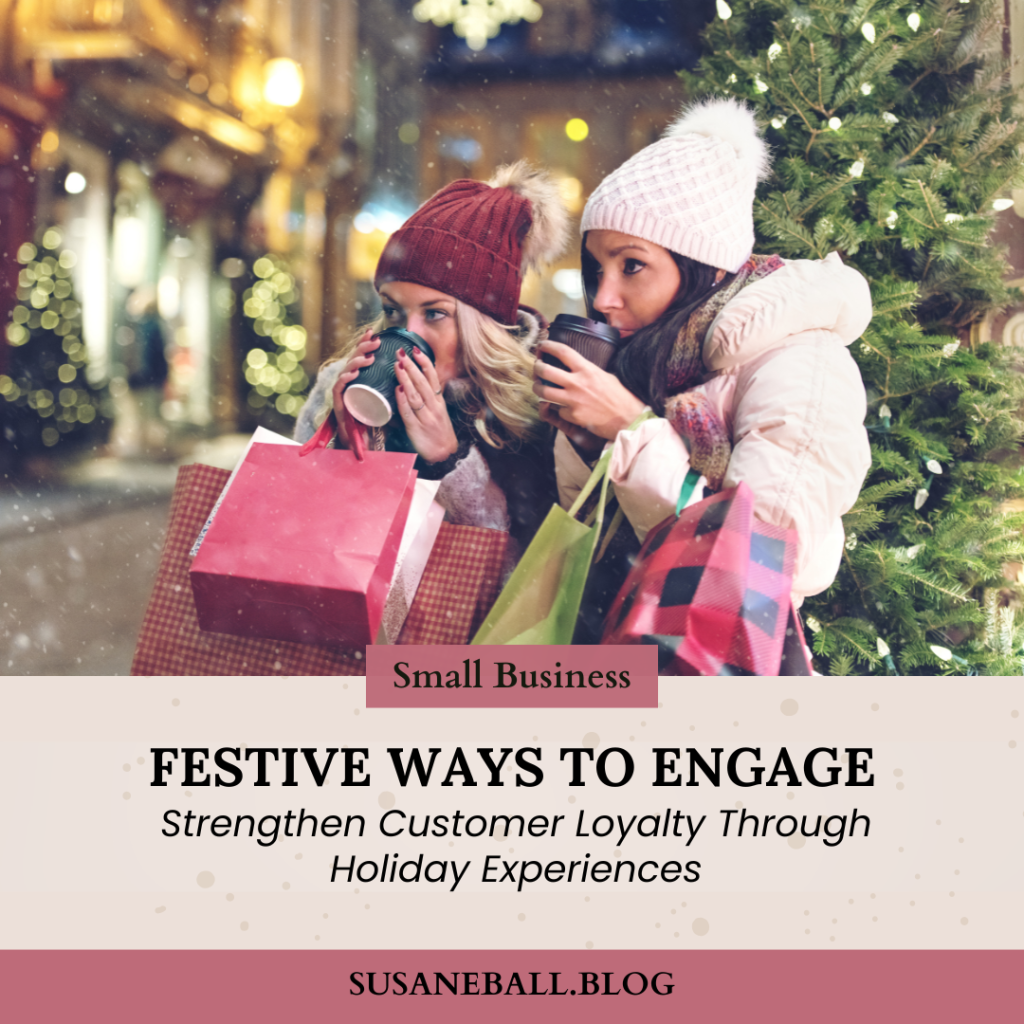
Strengthen Customer Loyalty Through Holiday Experiences

As a small business owner, it’s important that your customers feel connected to you—especially during the holiday season.

A genuine connection builds loyalty and encourages customers to choose your business over competitors. Two meaningful ways to build that connection are by giving back to your community and creating memorable experiences that engage your customers.

Give Back to Your Community

Sharing your blessings with those in need shows customers that your business cares about others. Many consumers today prefer to spend their money with companies that support meaningful causes. Here are some ways your business can give back this season:

Partner with local charities or food banks. Collect donations from customers and staff for organizations such as:

  • Toys for Tots—set up a collection box for toy donations.
    • Salvation Army Angel Tree—host an angel tag tree and accept gift drop-offs.
    • Samaritans Purse Operation Christmas Child—be a shoebox drop-off location.
    • Your local food bank—gather canned goods and other non-perishable items.

Donate a percentage of holiday profits.

  • Allow customers to choose which charity their purchase supports.
  • Partner with multiple nonprofits to appeal to a wider audience—such as a food bank, animal shelter, Make-a-Wish Foundation, or veterans’ organization.

Partner with nonprofits to provide hands-on service.

  • Team up with a local salon to provide free haircuts at a senior living center.
  • Partner with a disability support organization to host an accessible shopping day, with staff on hand to assist shoppers.
  • Offer free oil changes or car repairs for women living in shelters.

Volunteer together as a team.

  • Close your business for a few hours and volunteer as a group. You might host a holiday party for residents of a women’s shelter, wrap gifts for senior citizens, serve meals at a local soup kitchen, or deliver baked treats to police and fire departments. Volunteering as a team strengthens your workplace culture, boosts morale, and shows your customers that your business genuinely cares about the community.

Create Holiday Experiences

Festive events and experiences encourage customers to visit your business, linger longer, and connect on a personal level.

Host a Holiday Open House.
Many downtown districts hold open houses in November. Create an inviting, festive atmosphere with refreshments, music, and holiday décor. Offer exclusive open house deals or early-bird specials. If your business provides services, consider hosting an open house that also supports a local charity—guests could bring items or donations for a good cause.

Feature Local Artists or Makers.
Partner with local creators to showcase their work in your space.

  • A salon could host a jewelry maker or a permanent makeup artist.
  • A restaurant could feature local artisans in the lobby.
  • A retail shop could hold a trunk show with a vendor.

Host Customer Events.

  • Take photos with Santa or offer a festive photo backdrop.
  • Set up a cookie-decorating or ornament-making station.
  • Offer craft nights or centerpiece-making demonstrations.
  • Host game nights such as holiday bingo or trivia, with small prizes.

Hold Holiday Contests.

  • Run a children’s coloring contest with age-based prizes.
  • Offer daily giveaways for loyalty members.
  • Have a candy-jar guessing contest.
  • Reward customers who post reviews or engage on social media.
  • Post funny holiday photos and let followers caption them for prizes.

Wrapping Up

These ideas can help you connect with customers and strengthen relationships during the holiday season. Start planning your special events and charitable activities now, and you’ll create meaningful memories that keep your customers coming back all year long.

What are some ways your business engages with customers during the holidays? Share your ideas in the comments!

TOP HOLIDAY GIFTS FOR 2025: What Shoppers are Buying this Season

Whether you operate a retail store, a hospitality business, or a service-based company, it’s helpful to know what shoppers are buying and what gift recipients are wishing for as you plan your inventory and holiday promotions. This year, gift-givers are looking for items that are functional, meaningful, or provide a memorable experience.

Here are some of the most in-demand gifts for the 2025 season—spanning a wide range of price points—to help you curate options that appeal to all types of shoppers.

Technology and Gadgets

  • Smartwatch bands
  • Bluetooth device trackers
  • Wireless charging stations
  • Fitness trackers
  • Drones
  • Smartwatches
  • 3D printers
  • Virtual reality headsets

Pampering Gifts

  • Scented candles, especially those that enhance décor
  • Cuddle blankets
  • Quilted sweatshirts
  • Smart mugs
  • Fragrance mist bundles
  • Trade coffee subscriptions
  • Back and neck massagers
  • Towel warmers

Toys for Little Kids

  • Squishmallows
  • LEGO Botanicals
  • Melissa & Doug Simmer & Stir Play Set
  • Play-Doh Barbie Fashion Show Sets
  • 3D printing pens
  • Fisher-Price 4-in-1 Activity Table
  • Robotic pets
  • Interactive furReal stuffed animals

Toys for Big Kids and Adults

  • Magnetic dartboards
  • Glow-in-the-dark basketballs
  • Tetris™ Micro Player Console
  • Vinyl record players
  • Wireless gaming keyboards
  • AirPods
  • Portable Bluetooth speakers
  • Nintendo Switch 2

Culinary Gifts

  • Zester/grater
  • Instant-read thermometer
  • Spice grinder
  • Pasta machine
  • Mini food processor
  • Sous vide cooker
  • Blue carbon steel wok
  • Outdoor pizza oven

Gifts for Senior Citizens

  • Large-print puzzle books
  • Streaming service subscriptions
  • Memory foam slippers
  • Pampering gift baskets with lotions, lip balm, and bath salts
  • Gourmet snack boxes
  • Heated throw blankets
  • Touch lamps
  • Robot vacuums

Gifts for Travelers

  • Airplane phone holder
  • Airplane foot hammock
  • International travel plug adapter
  • Travel organizer for electronics
  • Portable espresso maker
  • Silk pajamas
  • Smart swim goggles
  • Leather deluxe travel bag

Unique Experiences and Luxury Gifts

  • Behind-the-scenes tours
  • Private tasting parties
  • Hot air balloon rides
  • Deluxe spa packages for couples
  • Exclusive beach dinners
  • Private cooking demonstrations by chefs
  • Therabody Smart Goggles
  • “Live Like a Legend” luxury travel package

As you prepare for the holiday season, offer gifts across a wide range of price points. Most shoppers will be looking for value, while others will be seeking one-of-a-kind experiences and luxury items for their loved ones. Make sure your staff is knowledgeable and ready to help customers make confident, informed purchasing decisions this season.

Tips to Boost Your Holiday Sales This Year

We are in the fourth quarter of the year, and it’s time to prepare for the holiday shopping season. Traditionally, Black Friday marks the start of holiday shopping.

If you’re a retailer or in the hospitality industry, it’s important to understand how shopping habits may differ this year. Here are some key predictions:

  • Shoppers will prioritize value, watching closely for discounts and sales.
  • Functional gifts will take precedence over novelty or luxury items.
  • Gift cards will remain a popular choice.
  • Many consumers will trade down” by choosing store brands, smaller quantities, and discount retailers.
  • Buy Now, Pay Later options will see increased use as shoppers spread purchases over a longer timeframe. In fact, July retail sales rose 5.8% as some began holiday shopping early.
  • Higher-income shoppers will focus on experiential gifts such as travel, dining, and leisure activities.
  • About one-third of shoppers will make a deliberate effort to shop local, seeking handmade or locally sourced items.

How to Prepare for Holiday Shopping

To make the most of this season, small business owners should start planning now. Here are practical steps to get ready:

  • Stock early. Have your shelves ready by mid-October with items that make good gifts but aren’t holiday-themed yet. Electronics, jewelry, toys, and personal care items are excellent early options.
  • Order ahead. Place orders for high-demand, nonperishable holiday items that can be stored until late fall.
  • Plan your layout. Feature promoted products in high-traffic areas.
  • Offer variety. Provide similar products in different sizes and price points to appeal to every budget.
  • Reward loyal customers. Use loyalty programs to offer exclusive deals and consider hosting early shopping events for members.
  • Leverage AI and data. Analyze shopping habits to personalize promotions and product recommendations.
  • Prepare your marketing. Develop holiday campaigns now that celebrate Thanksgiving, Christmas, Hanukkah, and other seasonal events.
  • Schedule your big events. Decide which items to highlight for Black Friday, Small Business Saturday, and Cyber Monday, and create marketing materials for each.
  • Train early. Begin hiring and training now so your team is ready for the holiday rush with great customer service and clear knowledge of store policies.
  • Optimize your website. Make sure your online store is user-friendly and easy to navigate.
  • Showcase range. Advertise gifts at various price points to emphasize affordability and choice.
  • Take care of yourself. Rest and recharge before the busy season begins—you’ll need your energy and enthusiasm!

The countdown to Christmas and other fall holidays has begun. Preparing now will help your season run more smoothly, delight your customers, and boost your year-end sales.

4 Workplace Trends to Embrace

The last four workplace trends from our quiz highlight positive employee behaviors. These include unbossing, job crafting, career cushioning, and acting your wage.

Each trend represents steps that employees or employers can take to foster growth, balance, and long-term satisfaction at work. As a business owner or manager, understanding these trends—and encouraging them where appropriate—can help you create a positive workplace culture and retain top talent.

Unbossing

Unbossing was popularized by the CEO of Novartis to promote servant leadership and empower employees. Today, many companies use it to replace rigid hierarchies with more flexible, collaborative structures. By removing layers of middle management, employees gain more autonomy, which often leads to higher engagement, better mental health, and increased innovation.

Key benefits of unbossing include:

  • Employees decide how and when they work, with accountability tied to outcomes and deadlines—improving work-life balance and motivation.
  • Teams self-manage workflows, goals, and performance, leading to faster decision-making and greater innovation.
  • Fewer management layers reduce payroll and overhead costs.
  • Leaders act as coaches and mentors, and employees communicate directly with leadership, reducing miscommunication.

Challenges for small businesses include:

  • Owners may struggle to let go of decision-making.
  • Without clear accountability, deadlines can be missed or productivity may drop.
  • Unclear authority may stall progress when final decisions aren’t made.
  • Small teams may lack experienced leaders who understand coaching-based leadership.

How to succeed with unbossing:
Clearly define goals, implement accountability measures, and encourage transparent communication. Tools like Teams, Trello, Slack, Zoom, or Monday.com can support collaboration and alignment.

Job Crafting

Job crafting occurs when employees reshape their roles to align with their strengths, passions, and values. This can include:

  • Task crafting – taking on projects that spark interest, using new tools to improve efficiency, or delegating less enjoyable tasks.
  • Relationship crafting – working with colleagues, mentors, or clients who inspire growth.
  • Cognitive crafting – reframing how one thinks about work to make it more meaningful.

Steps to begin job crafting:

  1. Reflect on your strengths, interests, and values.
  2. Choose one specific change to improve your role.
  3. Discuss changes with your manager if they affect tasks or clients (cognitive crafting is more personal).
  4. Test the change, measure its impact, and build from small successes.

Done well, job crafting boosts fulfillment while maintaining or even increasing productivity.

Career Cushioning

Career cushioning is the practice of preparing for your next role while still employed. Think of it as career insurance. Employees who career-cushion are proactive about growth and resilience.

Key practices include:

  • Keeping your résumé and LinkedIn profile updated.
  • Building professional relationships through networking and events.
  • Staying aware of job market trends and openings.
  • Upgrading skills and learning industry developments.
  • Developing side income streams to provide stability in case of job loss.

For employers, career cushioning shouldn’t be viewed negatively. Employees who stay sharp and connected often bring new skills and perspectives that benefit their current workplace.

Act Your Wage

“Act your wage” is a workplace trend where employees set healthy boundaries by working within the scope of their responsibilities and protecting their personal time. They push back against the expectation to constantly work overtime or take on responsibilities without fair compensation.

Why it matters:

  • For employees, it protects mental health, prevents burnout, and reinforces fair boundaries.
  • For managers, it highlights the importance of fair compensation, balanced workloads, and respect for personal time.

How employers can support this:

  • Avoid assigning tasks outside an employee’s job description.
  • Ensure workloads don’t require regular overtime, and encourage use of paid time off.
  • Provide raises or promotions when adding responsibilities.

Business benefits include:

  • Fair compensation and clear expectations.
  • Reduced burnout, turnover, and disengagement.
  • Stronger morale and job satisfaction.

Final Thoughts

In today’s competitive job market, attracting and retaining strong employees is more challenging than ever. Encouraging positive workplace behaviors—like unbossing, job crafting, career cushioning, and acting your wage—creates an environment where employees feel valued, empowered, and fulfilled. Employees who know their responsibilities, are fairly compensated, and enjoy a healthy work-life balance are far more likely to stay and thrive in your organization for years to come.

Spotting Negative Workplace Behaviors

Certain workplace behaviors signal deeper issues in the office environment. These behaviors often arise when employees feel unappreciated, overwhelmed, or pressured to keep working when they truly need a break. Business owners and managers should be aware of these behaviors so they can address root causes, create a healthier workplace, and retain valuable employees.

Presenteeism

Presenteeism occurs when employees come to work when they really shouldn’t. Most often, it happens when someone is sick, injured, mentally exhausted, or dealing with personal stress, but still shows up. It can also mean staying late until the boss leaves, even when there is no real work left to do. Employees often do this because they don’t have enough paid time off, they fear losing their job, they’re under pressure to meet deadlines, or they don’t want to miss important office conversations.

The consequences of presenteeism can be serious. An employee who is truly ill will not be able to fully concentrate, which increases the likelihood of mistakes and lowers productivity. Their lack of rest may actually prolong their illness, requiring more time away from work later. They may also spread their illness to others, which can impact the whole team. In the case of stress or burnout, presenteeism may cause poor performance, errors, or even long-term disengagement.

Employers can help reduce presenteeism by:

  • Providing sufficient paid time off so employees don’t feel forced to work while sick.
  • Establishing clear guidelines about when someone must stay home (such as with a fever or sore throat).
  • Allowing flexible work arrangements for employees who are injured but still able to work in some capacity.
  • Creating a culture of trust and support, so employees don’t fear taking needed time off.

Quiet Cracking

Quiet cracking is a subtle but harmful workplace behavior that develops when employees appear to meet expectations on the surface, but are struggling internally with stress, burnout, or discouragement. Over time, these pressures cause the employee to “crack” quietly, pulling back from engagement and beginning to detach from their role.

Quiet cracking may be triggered by an overwhelming workload, lack of training, or unclear job expectations. It can also stem from feeling unsupported, unrecognized, or uncertain about the future of the job market. The outward signs may look small at first, but they often grow into larger problems for both the employee and the business.

Warning signs of quiet cracking include:

  • Withdrawal from team interactions and social events.
  • Reluctance to volunteer for new assignments or projects.
  • Changes in mood, behavior, or productivity.
  • Missed deadlines or slow responses to communication.
  • Increased absences from work.

Employers can help prevent quiet cracking by:

  • Checking in with employees regularly and showing genuine interest in their well-being.
  • Expressing appreciation and acknowledging contributions.
  • Providing clear job descriptions and realistic expectations.
  • Offering training and career development opportunities.
  • Balancing workloads so responsibilities are spread fairly across the team.

Rage Applying

Rage applying happens when an employee, frustrated or upset with their current job, reacts by rapidly applying to multiple other positions out of anger rather than thoughtful career planning. This often follows a triggering event—such as being passed over for a raise or promotion—and is more about venting frustration than finding the right next step.

While rage applying can sometimes lead to new opportunities, it carries risks. Employees may accept a job that isn’t a good fit or feel more stressed from juggling interviews on top of an already difficult situation. They may also miss opportunities to improve their current role through open communication and problem-solving.

Employers can help reduce rage applying by:

  • Ensuring employees are paid fairly for the work they perform.
  • Offering multiple paths for career advancement within the company.
  • Providing clear expectations for promotions and the skills required to achieve them.
  • Maintaining an open-door policy for employee concerns and frustrations.
  • Avoiding excessive workloads that lead to burnout and resentment.

Proximity Bias

Proximity bias occurs when managers favor employees who are physically present in the office over those working remotely. This bias is often unintentional, as leaders naturally see and interact more with in-office employees. As a result, those working remotely may miss out on key assignments, recognition, and promotions simply because they are “out of sight, out of mind.”

If unchecked, proximity bias can damage team morale and create inequity between employees. Remote workers may feel overlooked or disconnected, while in-office workers may gain advantages that don’t necessarily reflect performance. Over time, this can erode trust and cause talented remote workers to leave.

Employers can reduce proximity bias by:

  • Including remote and hybrid workers in all staff meetings and ensuring they have equal access to tools and resources.
  • Training managers to recognize and correct unintentional bias.
  • Setting clear guidelines for remote work expectations and responsibilities.
  • Using tools like Teams or Slack to keep all employees connected and informed.
  • Evaluating performance based on outcomes, not physical presence.
  • Offering remote employees opportunities to lead projects and apply for promotions.

Final Thoughts

Workplace environments will always present challenges, but business owners can create healthier, more positive cultures by addressing these negative behaviors directly. Employees who feel valued and supported are not only more productive but also more likely to stay long-term, helping your company grow and better serve its customers.