Whether you operate a retail store, a hospitality business, or a service-based company, it’s helpful to know what shoppers are buying and what gift recipients are wishing for as you plan your inventory and holiday promotions. This year, gift-givers are looking for items that are functional, meaningful, or provide a memorable experience.
Here are some of the most in-demand gifts for the 2025 season—spanning a wide range of price points—to help you curate options that appeal to all types of shoppers.
Technology and Gadgets
Smartwatch bands
Bluetooth device trackers
Wireless charging stations
Fitness trackers
Drones
Smartwatches
3D printers
Virtual reality headsets
Pampering Gifts
Scented candles, especially those that enhance décor
Cuddle blankets
Quilted sweatshirts
Smart mugs
Fragrance mist bundles
Trade coffee subscriptions
Back and neck massagers
Towel warmers
Toys for Little Kids
Squishmallows
LEGO Botanicals
Melissa & Doug Simmer & Stir Play Set
Play-Doh Barbie Fashion Show Sets
3D printing pens
Fisher-Price 4-in-1 Activity Table
Robotic pets
Interactive furReal stuffed animals
Toys for Big Kids and Adults
Magnetic dartboards
Glow-in-the-dark basketballs
Tetris™ Micro Player Console
Vinyl record players
Wireless gaming keyboards
AirPods
Portable Bluetooth speakers
Nintendo Switch 2
Culinary Gifts
Zester/grater
Instant-read thermometer
Spice grinder
Pasta machine
Mini food processor
Sous vide cooker
Blue carbon steel wok
Outdoor pizza oven
Gifts for Senior Citizens
Large-print puzzle books
Streaming service subscriptions
Memory foam slippers
Pampering gift baskets with lotions, lip balm, and bath salts
Gourmet snack boxes
Heated throw blankets
Touch lamps
Robot vacuums
Gifts for Travelers
Airplane phone holder
Airplane foot hammock
International travel plug adapter
Travel organizer for electronics
Portable espresso maker
Silk pajamas
Smart swim goggles
Leather deluxe travel bag
Unique Experiences and Luxury Gifts
Behind-the-scenes tours
Private tasting parties
Hot air balloon rides
Deluxe spa packages for couples
Exclusive beach dinners
Private cooking demonstrations by chefs
Therabody Smart Goggles
“Live Like a Legend” luxury travel package
As you prepare for the holiday season, offer gifts across a wide range of price points. Most shoppers will be looking for value, while others will be seeking one-of-a-kind experiences and luxury items for their loved ones. Make sure your staff is knowledgeable and ready to help customers make confident, informed purchasing decisions this season.
As a small business owner, you’ve probably heard that the key to success is always growing your sales. You may focus on acquiring new customers, retaining current ones, and increasing customer spending. While these strategies can drive growth, they often come with higher costs—more marketing, more inventory, and more staff to support a larger customer base.
However, after years of rising costs and increased minimum wages, many small businesses have seen their profits shrink rather than grow. If this sounds familiar, then 2025 might be the year you shift your focus from growth to profitability.
Now is the perfect time to review your finances and make changes that can boost your bottom line without having to push for more sales. Here are some actionable strategies to help you increase profits and run a more efficient, sustainable business.
1. Reevaluate Your Prices
In the wake of inflation, many small businesses have hesitated to raise prices, fearing they might lose customers. But with inflation slowing and consumer confidence growing, it might be time to revisit your pricing strategy. Consider whether your prices are truly covering your costs and generating the profit you need.
Don’t be afraid to adjust prices where necessary to reflect rising operational costs. Just be sure to communicate any changes clearly to customers and justify them with the value you provide.
2. Cut Unnecessary Expenses
It’s easy for costs to accumulate over time, especially with subscriptions, memberships, and services that no longer serve you. Take a hard look at your expenses and identify areas to cut back.
Subscriptions & Memberships: Do you still use all the tools and services you’re paying for? If not, cancel or downgrade them.
Automation & Outsourcing: Could you automate repetitive tasks or outsource certain functions? This could reduce labor costs while increasing efficiency.
Supplier Negotiations: Talk to your suppliers about negotiating better rates, especially if you’ve been a loyal customer. Every little saving adds up.
3. Deliver Exceptional Customer Service
It’s cheaper to retain a customer than to acquire a new one, so it’s essential to focus on the customers you already have. Excellent customer service builds loyalty, encourages repeat business, and leads to referrals.
Be proactive in ensuring that your current customers have an outstanding experience every time they interact with your business. From personalized service to prompt responses, make sure they know you value their support.
4. Focus on Your Best Customers (80/20 Rule)
The 80/20 rule is a powerful principle for many aspects of business—and that includes your customers. It’s likely that 80% of your profits come from just 20% of your customers. By identifying and nurturing these top customers, you can maximize your profits without spending extra time or money.
Use CRM tools or loyalty programs to track customer spending and reward your best clients with exclusive offers, early access to new products, or VIP treatment.
5. Optimize Payment Methods to Save on Fees
Review the payment options you accept. For instance, payment processors often charge hefty fees for credit card transactions. Could you save money by offering lower-cost alternatives like direct debits, Venmo, Zelle, or other digital wallets? If you’re using a traditional POS system, it might be worth investigating newer platforms with lower processing fees.
6. Rethink Your Marketing Strategy
Marketing is a necessary expense, but that doesn’t mean it has to drain your budget. Take a closer look at where your marketing dollars are going:
Social Media: Could you achieve similar results using free or low-cost social media platforms rather than expensive ads?
Negotiation: If you’re using traditional advertising (like print or TV), see if you can negotiate lower rates or more favorable terms.
Marketing Tools: Are you paying for marketing tools that aren’t delivering a good return on investment? It might be time to test new, more cost-effective options.
7. Optimize Inventory Management
Managing inventory efficiently is crucial for profitability, especially for small businesses. Overstocking means tying up cash in products that might not sell, while understocking leads to missed sales opportunities.
Consider:
Just-in-Time Inventory: Order only what you need, and aim for timely deliveries to avoid waste, spoilage, or excessive storage costs.
AI & Apps: Use AI-driven tools or inventory management software to track and predict demand so you don’t overbuy or underbuy.
Clearance or Donations: If inventory isn’t moving, consider offering discounts or donating items to free up space and improve cash flow.
8. Manage Payroll Efficiently
Staffing is one of the largest expenses for many small businesses. Review your past sales data to anticipate the staffing levels you need for peak and off-peak times.
Cross-training employees can help them stay productive during slow hours, and ensuring you’re not overstaffed can help save on payroll costs. Empower your employees to take on multiple roles to improve efficiency and reduce the need for extra hires.
Start Focusing on Profitability Today!
By taking these steps, you can position your business for a more profitable year ahead, even if your sales growth slows. Profitability is not just about increasing revenue—it’s about managing expenses, optimizing processes, and building stronger relationships with your existing customers.
Ready to start boosting your profits in 2025? Take a look at your current strategies, make the necessary changes, and watch your business become more profitable than ever.
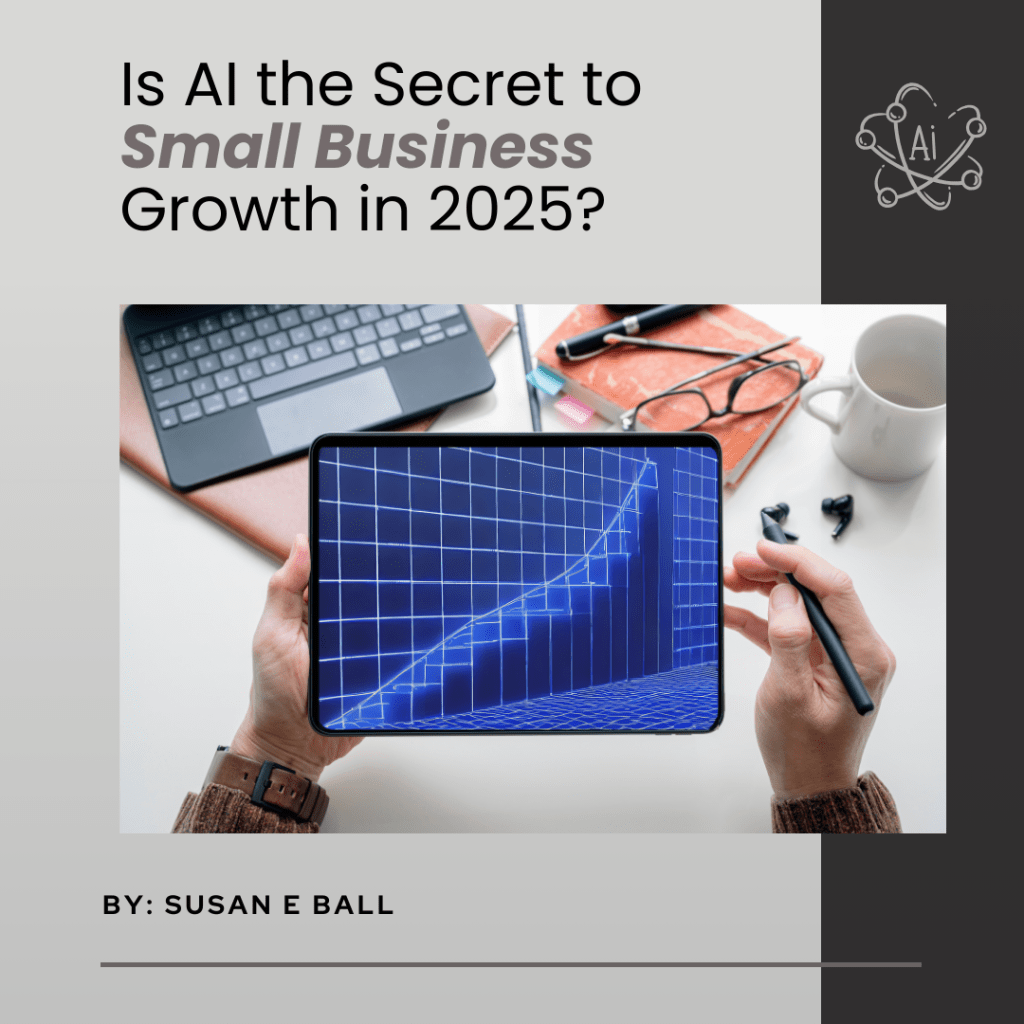
Artificial Intelligence (AI) is no longer a futuristic concept – it’s here and it’s transforming the way businesses operate. In fact, it’s likely that your competitors are already leveraging AI to streamline operations and fuel growth. If you’re not using AI, you might risk falling behind.
How Artificial Intelligence Can Help You Stay Competitive and Succeed:
1. Conduct Smarter Research
AI can help small business owners with research in ways that were once time-consuming or difficult to manage. For instance, I use AI to help business owners seeking loans by researching industry trends and competitors. This information strengthens business plans, increasing the chances of securing a loan. But research doesn’t stop there. You can also use AI to explore new business apps, stay up-to-date with tax code changes, and identify new opportunities.
2. Enhance Your Customers’ Shopping Experience
If your business collects data on customer preferences, AI can turn that information into actionable insights. AI tools can recommend products to customers based on their past purchases, making their shopping experience smoother and more personalized. Additionally, AI can alert you when a “best” customer is in your store, ensuring you provide them with the best service.
3. Automate Routine Tasks
AI can take over some of your routine tasks, freeing up your time for more strategic work. Many larger companies already use AI to respond to common customer queries online. Smaller businesses can also benefit by automating email sorting, drafting responses, and flagging emails that need immediate attention.
4. Boost Your Customer Service
AI-powered chatbots can handle frequently asked questions (FAQs) at any hour of the day or night, allowing you to provide better customer service without the need for around-the-clock staffing. This can enhance customer satisfaction and increase loyalty, all while saving time and resources.
5. Streamline Inventory Management
AI can help you predict sales trends and inventory needs, ensuring you never run out of popular products. AI can even automate inventory reorders when stock levels fall below a predetermined threshold, so you can keep your shelves stocked without extra effort.
6. Refine Your Pricing Strategy
AI can analyze competitor prices, customer demand, and market trends to suggest price adjustments that maximize profitability. Using AI to set dynamic pricing based on real-time data can give you a competitive edge.
7. Segment Customers for Smarter Marketing
AI can help identify customer segments and offer targeted marketing strategies tailored to each group. Whether it’s through personalized emails, special promotions, or tailored content, AI enables you to create more effective marketing campaigns.
Which AI Tools Should You Try?
There are a variety of AI tools available, both free and paid. The right tools for your business depend on your goals and needs. Here are some popular free options to get started:
Mailchimp: Automate your email marketing campaigns.
Google Analytics: Analyze website traffic and improve your SEO strategy.
Hootsuite: Schedule social media posts across platforms.
Canva: Design high-quality graphics and marketing materials.
HubSpot CRM: Manage customer relationships and track leads.
Additional tools can help with grammar checking, schedule management, and transcribing meeting notes – all of which save valuable time!
Final Thought: What AI Tools Will You Try First?
There’s no one-size-fits-all approach to integrating AI into your small business, but the right tools can significantly enhance productivity and help you stay competitive. AI is transforming the way businesses operate – but what works best for YOUR business? Share your thoughts or ask your questions in the comments below. I’d love to hear how you plan to use AI to grow your business this year! You can also comment on my Facebook or Instagram accounts with any questions you’d like to ask about Small Business Ownership.



 Susan's Reflections
You must be logged in to post a comment.